
 Español

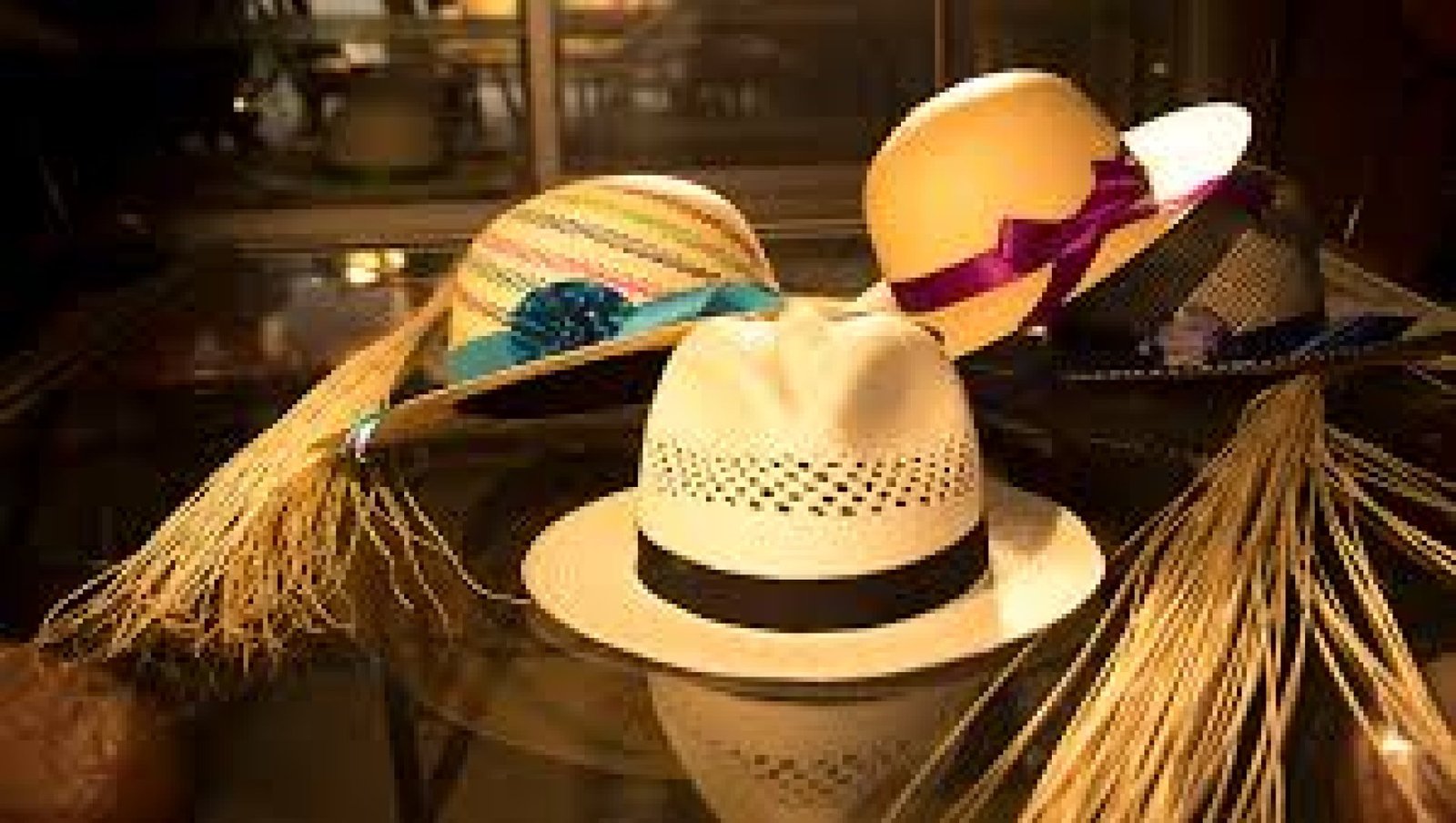
The Art of the Toquilla Straw Hat: Living Heritage from Montecristi
In the town of Montecristi, in Ecuador’s coastal province of Manabí, one of the country’s finest and most symbolic traditions lives on: the weaving of the toquilla straw hat. Often mistakenly called the "Panama hat," this craft was declared an Intangible Cultural Heritage of Humanity by UNESCO due to its cultural and historical significance.
A Fully Handcrafted Process
Each hat may take weeks—or even months—to make, depending on the weave’s fineness. From harvesting and drying the Carludovica palmata (toquilla straw), to the intricate braiding and finishing touches, every step is done by hand by artisans who have learned the craft since childhood.
Cultural Tourism and Artisan Workshops
Montecristi offers cultural routes where visitors can tour family-run workshops, observe the live weaving process, and meet the artisans. The town also features the Hat Museum and a historic center that highlights local Montuvio culture and coastal architecture.
Identity, Pride, and Global Recognition
This hat is not just a fashion item—it’s a symbol of national pride and identity. Though worn by celebrities and leaders worldwide, its true essence remains in the skilled hands of Ecuadorian weavers.
Sustainability and Tradition
Today, weaving communities are working to preserve this art amid industrialization and undervaluation of handmade labor. Responsible tourism and institutional support help ensure that this tradition continues to provide a dignified livelihood and a meaningful cultural expression.