
 Español

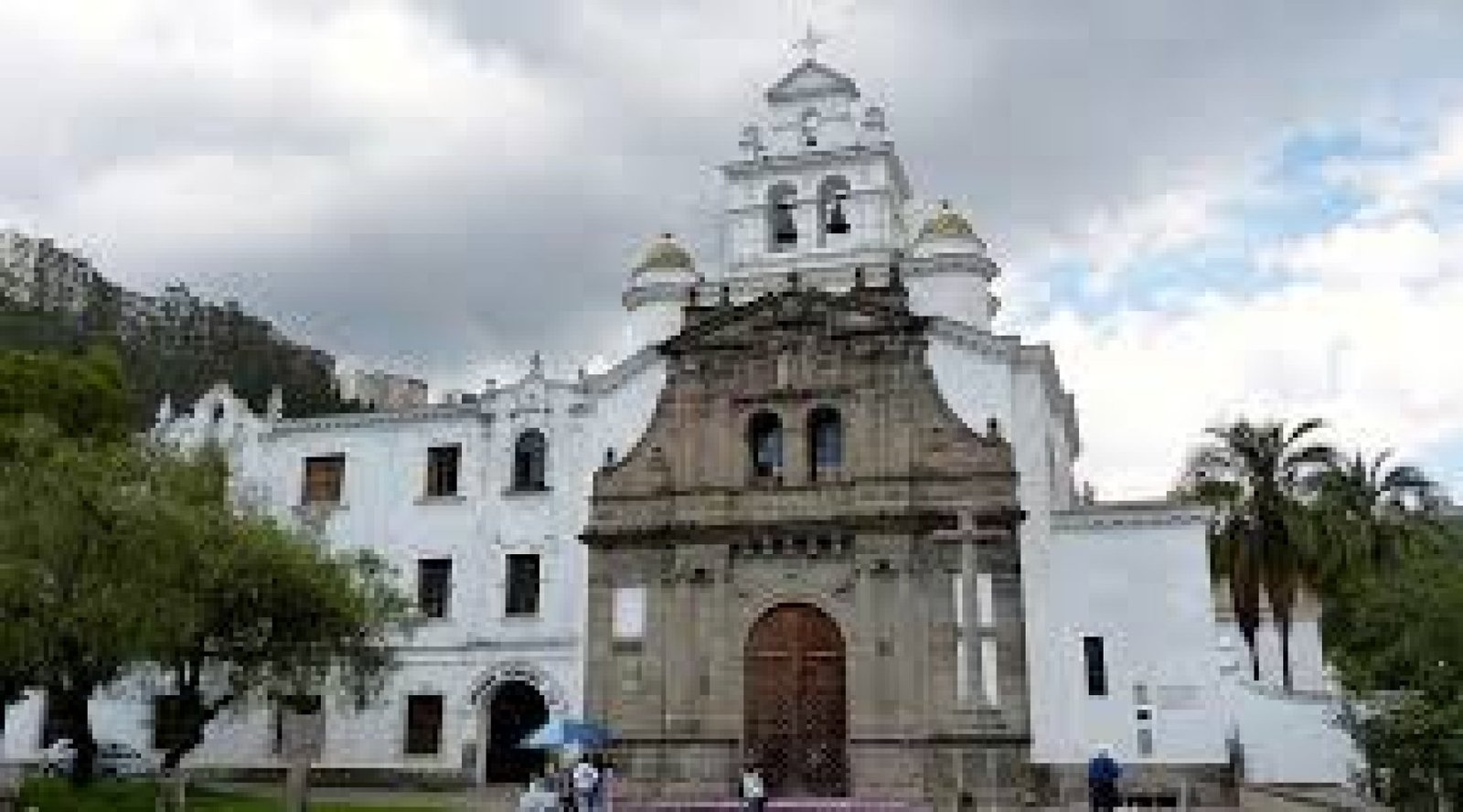
Guápulo: art, history, and culture in a traditional Quito neighborhood
Located on the eastern hills of Quito, Guápulo is one of the city’s most picturesque and oldest neighborhoods. Its cobblestone streets, colonial houses, and urban murals create a space where history and creativity merge to offer a unique cultural experience.
1. History and heritage
Guápulo preserves traces of colonial and pre-Columbian times.
Its church and small plazas reflect the religious and social influence of past centuries, while historic buildings tell the story of the neighborhood’s evolution over time.
2. Art and urban expression
The neighborhood has become a hub for urban art, with murals and graffiti showcasing local creativity.
Emerging artists and community workshops help make Guápulo a lively space for contemporary culture.
3. Festivals and cultural life
Guápulo celebrates traditional festivals combining music, dance, and local gastronomy.
These events allow visitors to connect with the community and experience its traditions firsthand.
4. Viewpoints and urban landscape
From the neighborhood’s hills, visitors can enjoy panoramic views of Quito and the surrounding valleys.
The viewpoints are perfect for photography, reflection, and appreciating both the urban and natural scenery.
5. Responsible tourism
Visiting Guápulo means respecting its heritage and community.
Conscious tourism promotes the preservation of architecture, cultural spaces, and daily life for its residents.
Conclusion
Guápulo is a neighborhood where history, art, and culture converge in every corner.
Exploring its streets allows travelers to experience an authentic Quito, where tradition and creativity meet, offering a rich and memorable cultural experience.