
 Español

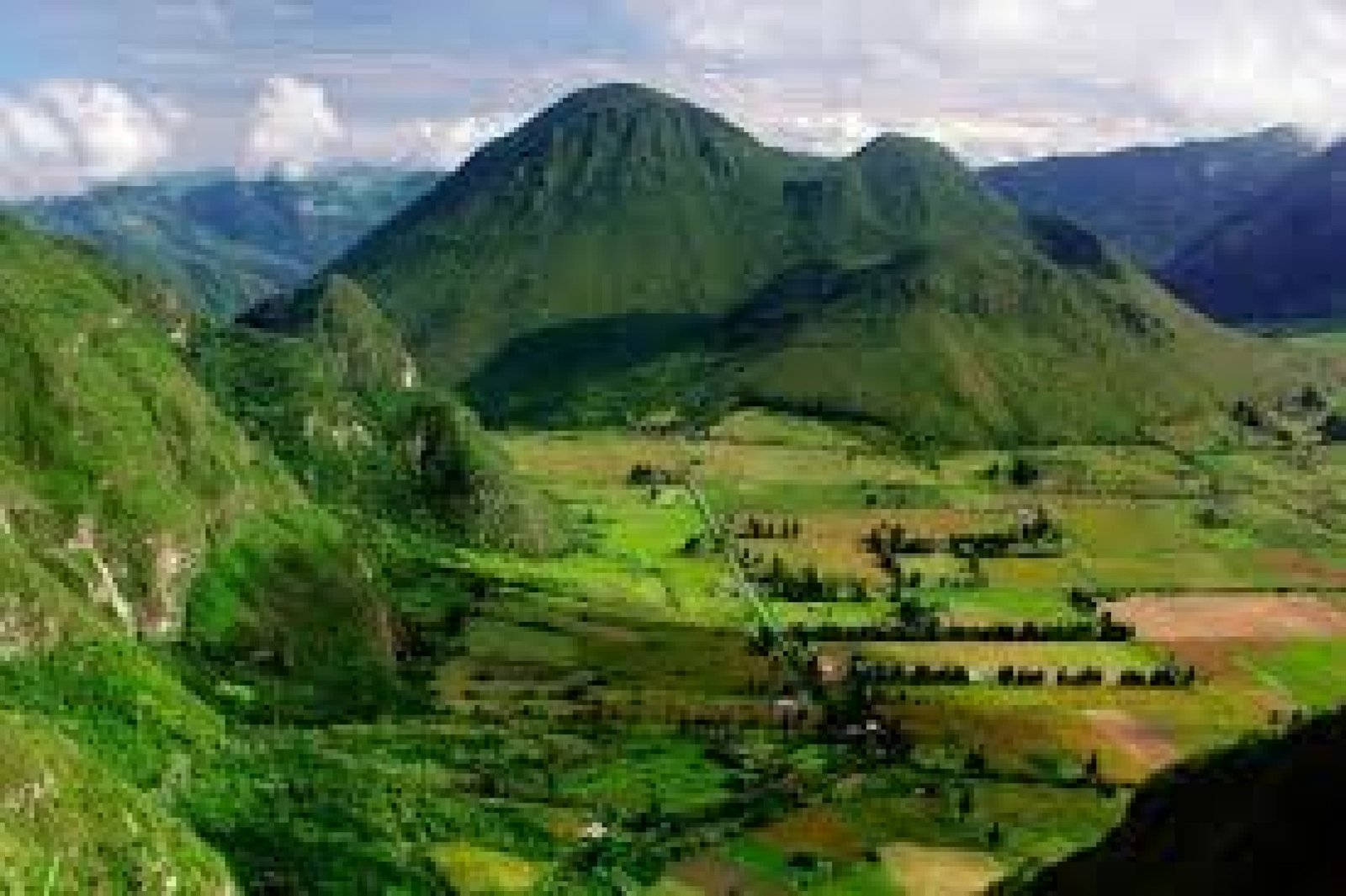
Pululahua: a living crater where science, culture, and nature meet
Just a few kilometers from Ecuador’s capital lies the Pululahua Geobotanical Reserve, one of the very few inhabited volcanic craters in the world. This extraordinary landscape blends active geology, fertile volcanic soils, and a long-standing relationship between local communities and their environment.
A volcanic crater with fertile soils
Pululahua was formed by ancient volcanic eruptions that created a vast crater now covered by agricultural fields, Andean shrubs, and forest patches. Its volcanic soils have supported farming since pre-Hispanic times, allowing the cultivation of:
-
Corn
-
Potatoes
-
Fava beans
-
Andean fruit trees
Agriculture is practiced on a small scale, preserving traditional methods adapted to the crater’s terrain.
Biodiversity across Andean transition zones
The reserve protects ecosystems of Andean forest and inter-Andean dry scrub, home to diverse wildlife, including:
-
Andean foxes
-
Wild rabbits
-
Birds of prey
-
Hummingbirds and tanagers
-
Reptiles adapted to rocky landscapes
The variety of microclimates within the crater supports a unique and distinctive biodiversity.
Trails and natural viewpoints
Pululahua offers interpretive routes that help visitors understand its geology and landscapes:
-
Crater rim viewpoints, with panoramic views of the inner valley
-
Agricultural trails, connecting farms and rural homes
-
Geological interpretation paths, explaining the volcano’s formation
Each hike reveals striking contrasts between dry slopes and the greener interior of the crater.
Living culture inside the crater
Families living within Pululahua maintain a rural lifestyle rooted in agriculture and respect for nature. Visitors can learn about:
-
Traditional farming techniques
-
The use of medicinal plants
-
Local stories linked to the volcano
-
Rural Andean cuisine
This coexistence between people and an active volcanic landscape makes Pululahua a living cultural and natural laboratory.
Scientific importance and conservation
Pululahua plays a key role in:
-
Geological and volcanic studies
-
Research on fertile volcanic soils
-
Conservation of unique landscapes
-
Environmental education
Its designation as a geobotanical reserve highlights the combined value of geology and biodiversity.
Conclusion
The Pululahua Geobotanical Reserve is an exceptional destination where science, culture, and nature coexist within a living volcanic crater. Visiting it offers insight into how landscapes shape human life and how conservation can harmoniously integrate ancestral traditions—just minutes from Quito.