
 Español

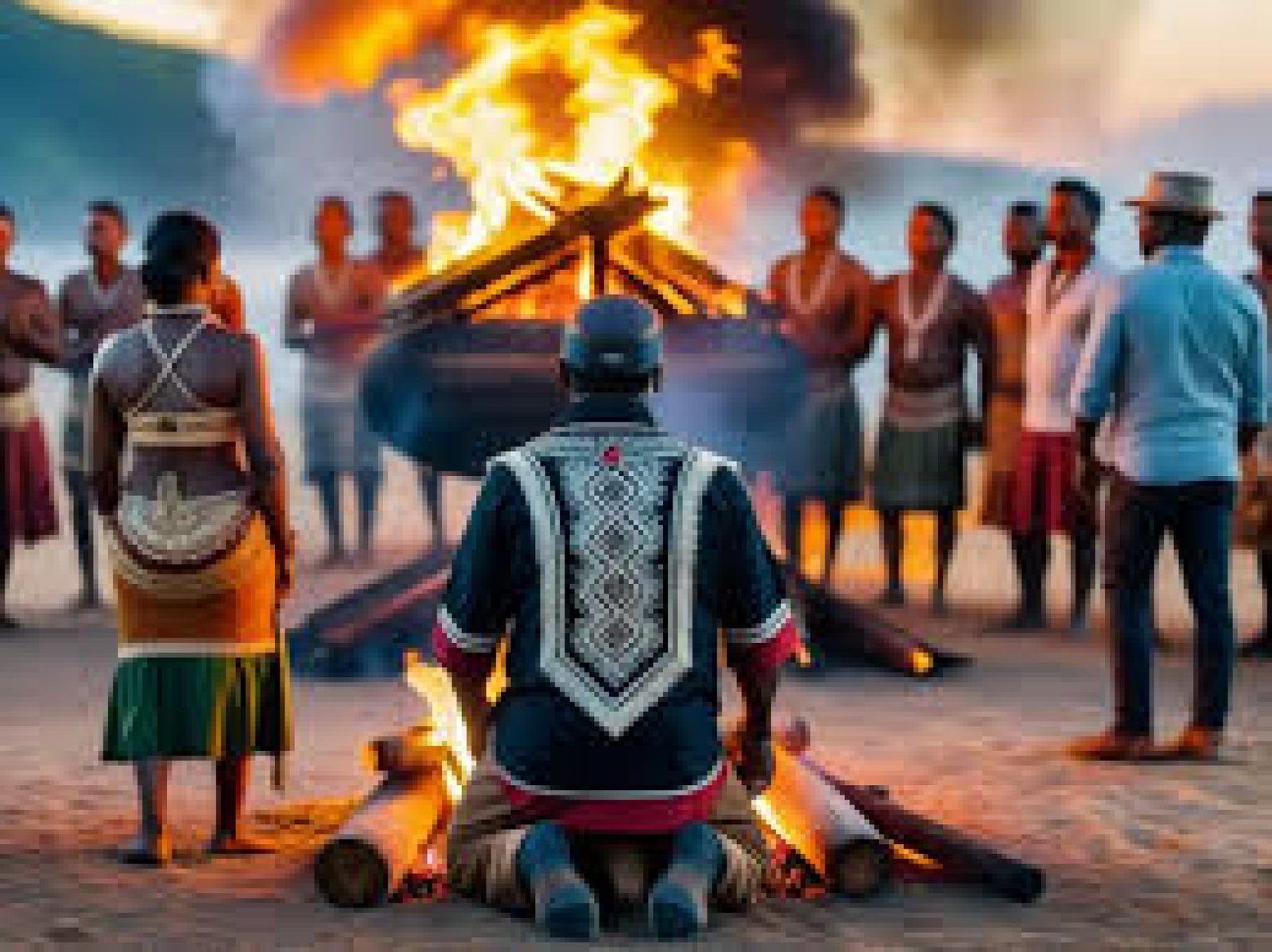
The Night of the Drums: Afro-Ecuadorian Funeral Music and the Journey of the Soul
In the Afro-Ecuadorian communities of Esmeraldas, death is not the end—it is a passage. And that passage is marked not by silence, but by rhythm. During traditional funerals, the Alabao and Chigualo ceremonies blend Catholic imagery with African ancestral practices, turning mourning into a spiritual and musical farewell.
Rhythms for the Departed
The funeral drum is not just an instrument—it’s a guide for the soul. Each beat helps the spirit find its way back to the ancestors, and each chant carries blessings and memory. The bomba, cununo, and marimba are played in powerful unison, often from dusk until dawn, in a ritual called La Noche del Tambor (The Night of the Drum).
Music as Collective Healing
Families and neighbors gather in candle-lit rooms, forming circles of song. Women lead the alabaos, slow, sacred chants filled with mourning and reverence. Children participate in the chigualos, joyful songs that celebrate the life of a deceased child as they return to the world of the spirits without sin.
A Living Ritual
These ceremonies, still practiced in towns like Borbón, La Tola, and Limones, are powerful expressions of Afro-descendant resilience. The community not only honors the dead but reaffirms its cultural identity in a society that often marginalizes African roots.
Cultural Tourism with Purpose
Travelers who respectfully engage with these traditions—through festivals, workshops, or community stays—witness a worldview where sound becomes prayer, grief becomes dance, and memory is preserved through music. Some cultural centers in Esmeraldas offer immersive experiences that explain the symbols, instruments, and meanings behind each ritual.
When the Drum Speaks, the Soul Listens
In a world of fast farewells, the Afro-Ecuadorian funeral tradition offers something deeper: a sacred pause. It reminds us that music doesn’t just celebrate life—it can also accompany us as we cross into the mystery beyond.