
 Español

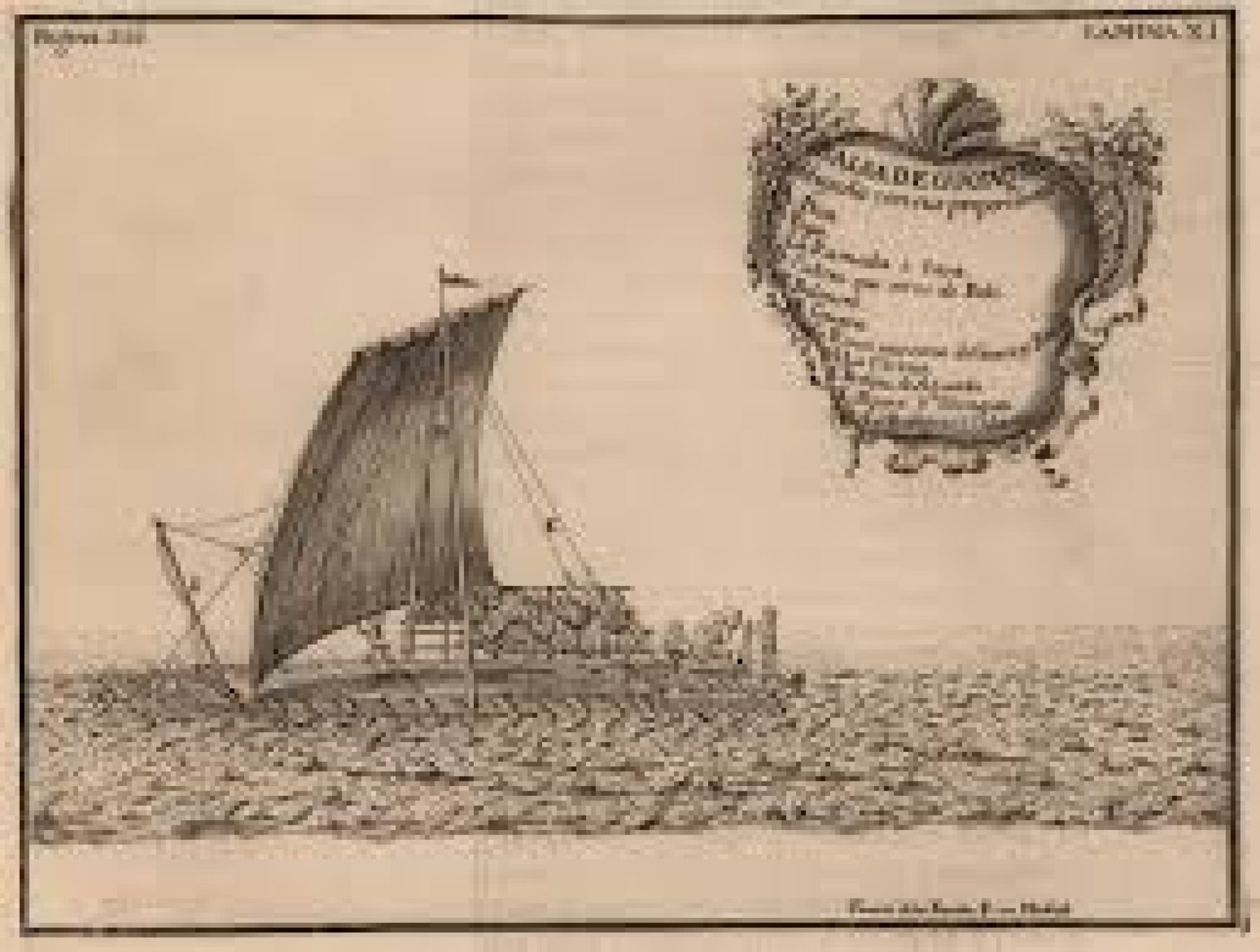
Invisible Navigation: Oral Knowledge of the Navigators of Isla Puná
Just a few hours from Guayaquil, Isla Puná feels like a world apart. Surrounded by mangroves, open sea, and salt flats, its inhabitants have developed a maritime culture based on observing nature, oral memory, and intuition.
Navigating Without a Compass
Long before GPS, Puná fishermen charted routes across the open sea using ocean currents, water temperature, the positions of stars, and the behavior of specific birds. These skills weren’t written down — they were learned as children, silently listening to the sea and the elders.
The "Water Paths"
Locals speak of "invisible paths" that only those initiated know how to read. These routes shift according to the moon, tides, and winds. Navigating them is more than simply knowing where to go — it’s about understanding the rhythm of the ocean, as if sharing in its breath.
Stories That Teach Survival
The oral tales of Isla Puná are not mere legends; they teach how to read the sky before a storm, how to survive if one loses their way, and which signs to avoid. These narratives convey deep ecological wisdom, disguised as folklore.
Cultural Tourism Without Intrusion
Some communities have started offering ethical tourism experiences: short traditional sailing trips, talks with wise fishermen, and coastal birdwatching. Visitors don’t just learn about fishing — they gain an understanding of a lifestyle in harmony with the sea.
The Sea as Memory
In Puná, the ocean is not just a physical space; it’s a repository, a pathway, an altar. Every wave holds a story, and each journey is an act of reconnecting with the ancestors who still sail in the memories of their grandchildren. Listening to Puná’s navigators is rediscovering an ancient way of inhabiting the world.