
 Español

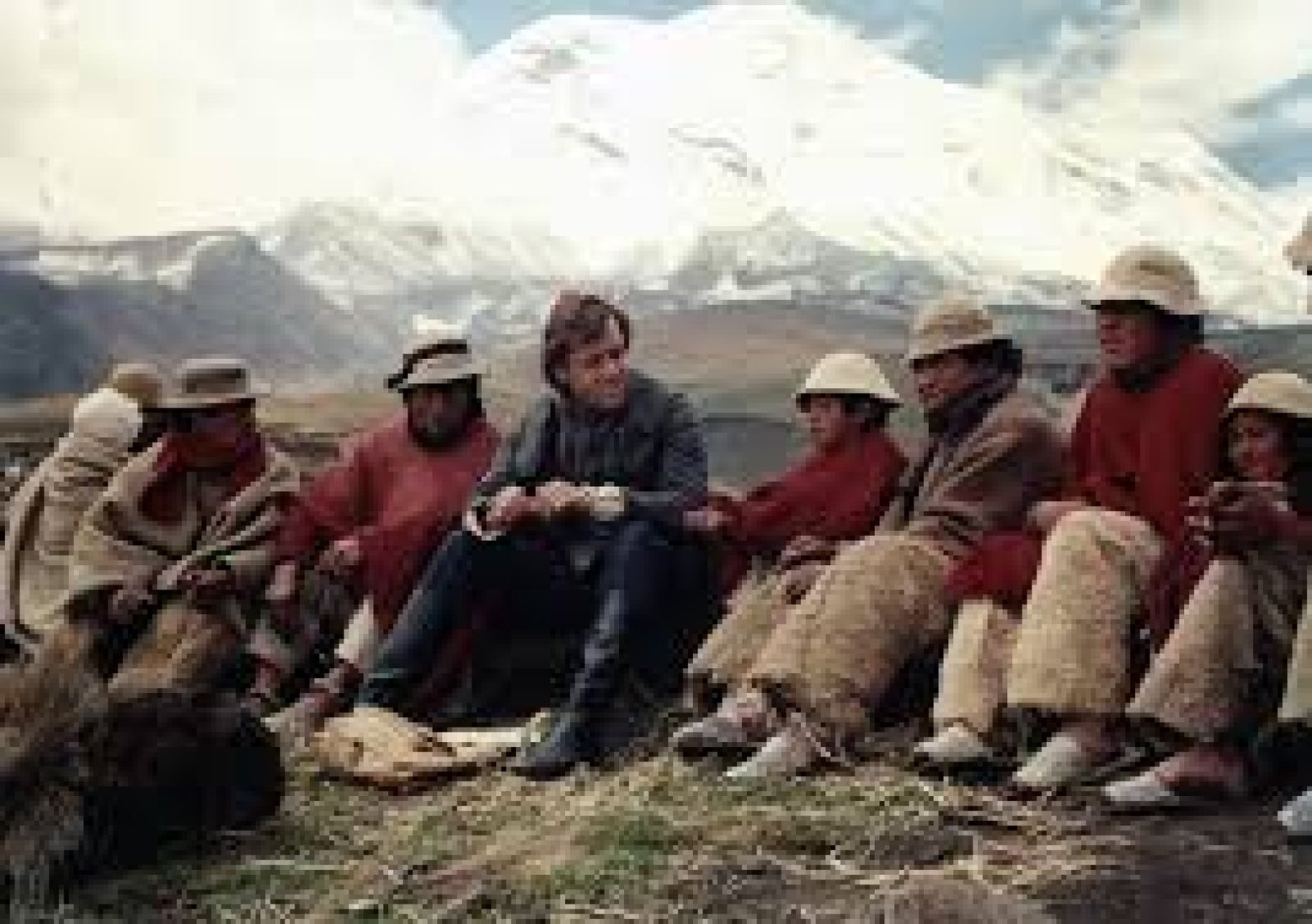
The Whistled Language of Chimborazo Shepherds: Ancestral Speech Carried by the Wind
High in the windswept páramos of Ecuador’s Chimborazo volcano, where paths are rugged and communication is a challenge, Indigenous shepherds have long used a unique form of expression: whistling. This ancestral whistled language allows them to communicate across long distances—sometimes up to two kilometers—using only their mouths and the wind.
A Language Carried Through the Air
This isn’t just casual whistling. The sounds replicate spoken Kichwa or Spanish through changes in pitch, rhythm, and direction. Those who master it can convey greetings, warnings, pastoral instructions, or even personal names. A short, sharp whistle might mean “come,” a drawn-out one “call the herd,” while specific tones can indicate someone’s identity or emotional urgency.
An Endangered Practice
Once passed down from shepherd to child starting at age five or six, this form of communication is now fading. As more youth migrate to cities or rely on cell phones, only a few elders still use the silbo. But efforts are growing—some rural schools and cultural organizations are beginning to record, teach, and revive this sonic tradition.
Sound, Territory, and Identity
The whistled language reflects a deep connection between people and their mountainous surroundings. Born out of need, it is also a symbol of creativity and adaptation. In some communities, being able to whistle well is seen as a sign of wisdom, experience, and even spiritual harmony with the land. It transforms open air into a medium for memory and survival.
Toward Cultural Recognition
Though less known than the Canary Islands’ Silbo Gomero, Ecuador’s whistled language is a distinct tradition rooted in the Andes. Local researchers and anthropologists are working to document it, and there are proposals to recognize it as intangible cultural heritage. To preserve this language is to preserve a way of listening, living, and communicating with nature.