
 Español

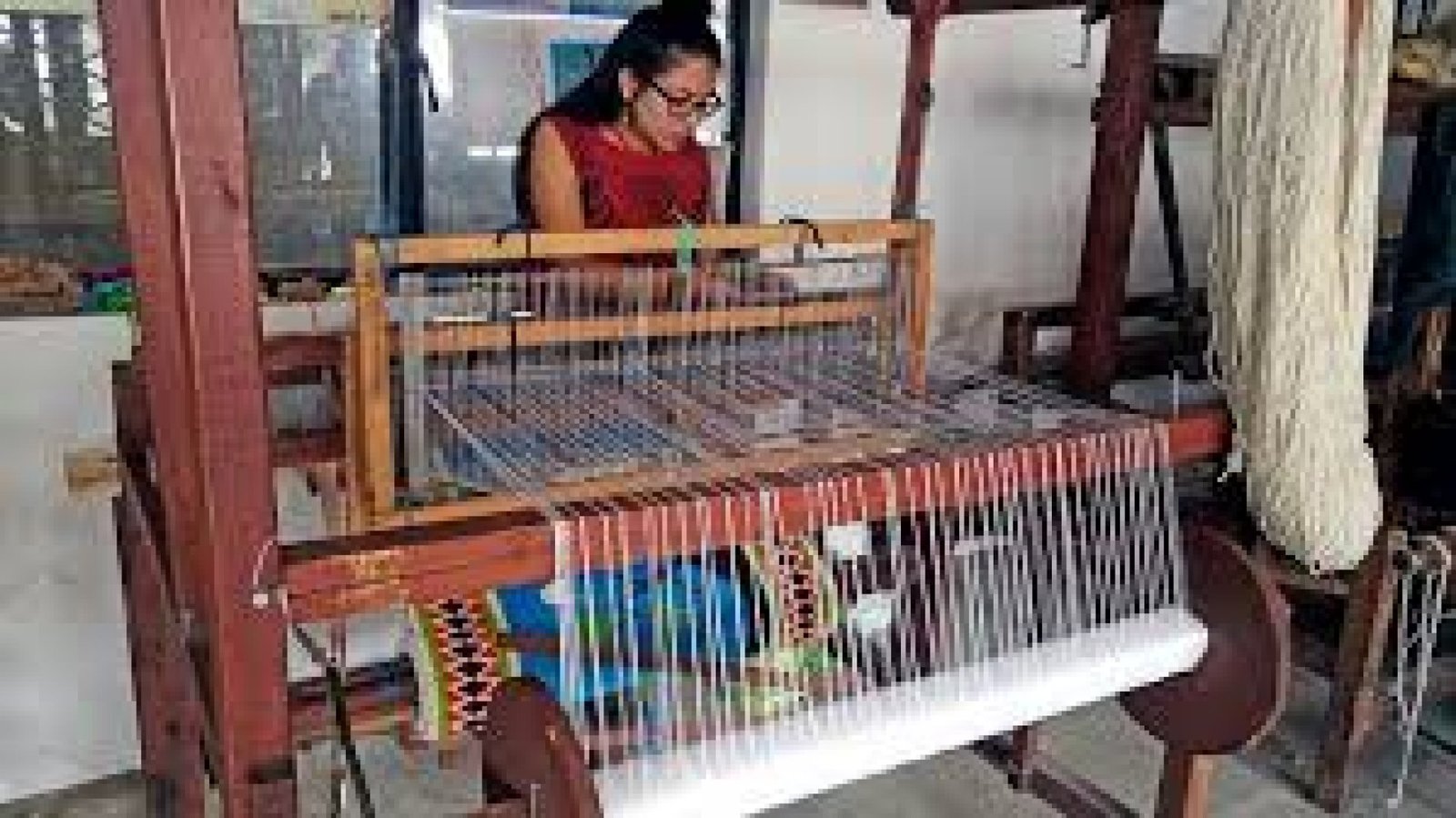
The Sacred Art of Weaving in Ecuador: Ancestral Traditions Alive in the Andes
In the high mountains of the Ecuadorian Andes, the art of weaving has been a practice that has transcended generations. This ancestral tradition, which not only reflects the creativity of indigenous communities but also their deep connection with the land, remains an essential part of daily life in various regions of the country.
A Cultural Legacy Woven with Threads
Weaving in Ecuador, particularly in communities such as Otavalo, Cotacachi, and Chimborazo, is much more than an art form; it is a testament to the history and worldview of the Andean peoples. Every garment, whether a poncho, a hat, or a blanket, is a piece that carries symbols, colors, and patterns that tell the stories of the ancestors.
Ancestral Techniques: Weaving on the Pedal Loom
One of the most notable techniques is weaving on the pedal loom, used for generations to create textiles with incredible precision and beauty. These looms, passed down from parents to children, allow artisans to create everything from fine alpaca wool textiles to colorful cotton weavings, all filled with symbols representing a connection to Pachamama (Mother Earth) and the Andean worldview.
The Role of Women in Weaving
In many indigenous communities, women are the guardians of this tradition. They are the ones who weave with dedication and skill, working both at home and in artisan cooperatives to preserve and pass on this cultural legacy. Moreover, weaving is a form of economic empowerment, as many of these women sell their products in local markets and to tourists, promoting a sustainable and self-sufficient economy.
A Product That Tells a Story
Each piece of weaving in Ecuador has a story behind it. The colors and patterns are not random; each one has a deep meaning, connected to spirituality, the elements of nature, and the identity of the communities. For example, the color red can symbolize the blood of ancestors, while geometric patterns often represent mountains and natural cycles.
Weaving as a Living Heritage
Today, this art remains relevant, not only for its cultural value but also for its sustainability. Natural fibers like alpaca wool and organic cotton continue to be used, promoting respect for the environment. Additionally, weaving is increasingly recognized as a living cultural heritage, with various initiatives aiming to preserve and revitalize this tradition in rural communities.