
 Español

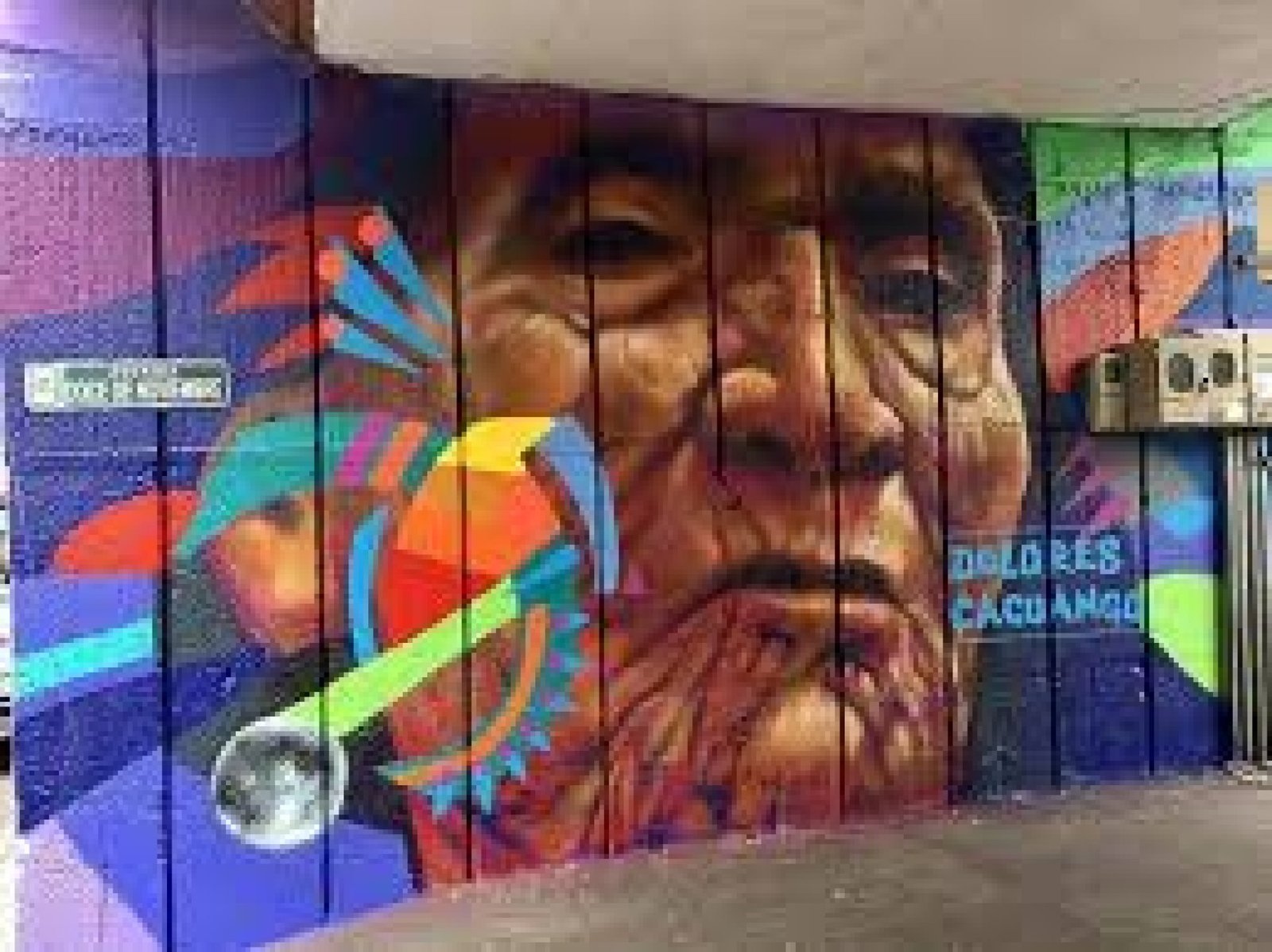
Urban Art in Ecuador: Walls that Speak, Streets that Inspire
Urban art in Ecuador has evolved into a powerful cultural force, blending visual expression with activism, community identity, and storytelling. Far beyond simple graffiti, it redefines public space and offers a voice to those often unheard.
Murals with a Message
In neighborhoods like La Floresta or San Roque in Quito, or Las Peñas in Guayaquil, colorful murals tell stories of social struggle, heritage, daily life, and marginalized voices. These artworks reflect local history, dreams, and resistance.
Community-Based Creativity
Ecuadorian street artists like Apitatán, Zión, and Monareta collaborate with local residents and cultural centers to transform walls into shared canvases. Their art blends Indigenous, Afro-Ecuadorian, and urban styles with contemporary design and symbolism.
Festivals that Celebrate the Street
Events such as the Latidoamericano Mural Festival and Graffiti Jam Quito bring together local and international artists. These festivals are dynamic spaces of artistic exchange, community engagement, and public dialogue.
Beyond Spray Paint
Urban art in Ecuador also includes stencil work, collage, installations, and performances. It interacts with the city itself—stairs, benches, bus stops, and sidewalks become part of the message and medium.
A Living Gallery Under the Sky
In Ecuador, art isn’t confined to museums. It lives and breathes in the streets, changing with the times, challenging perceptions, and uniting people through visual storytelling.