
 Español

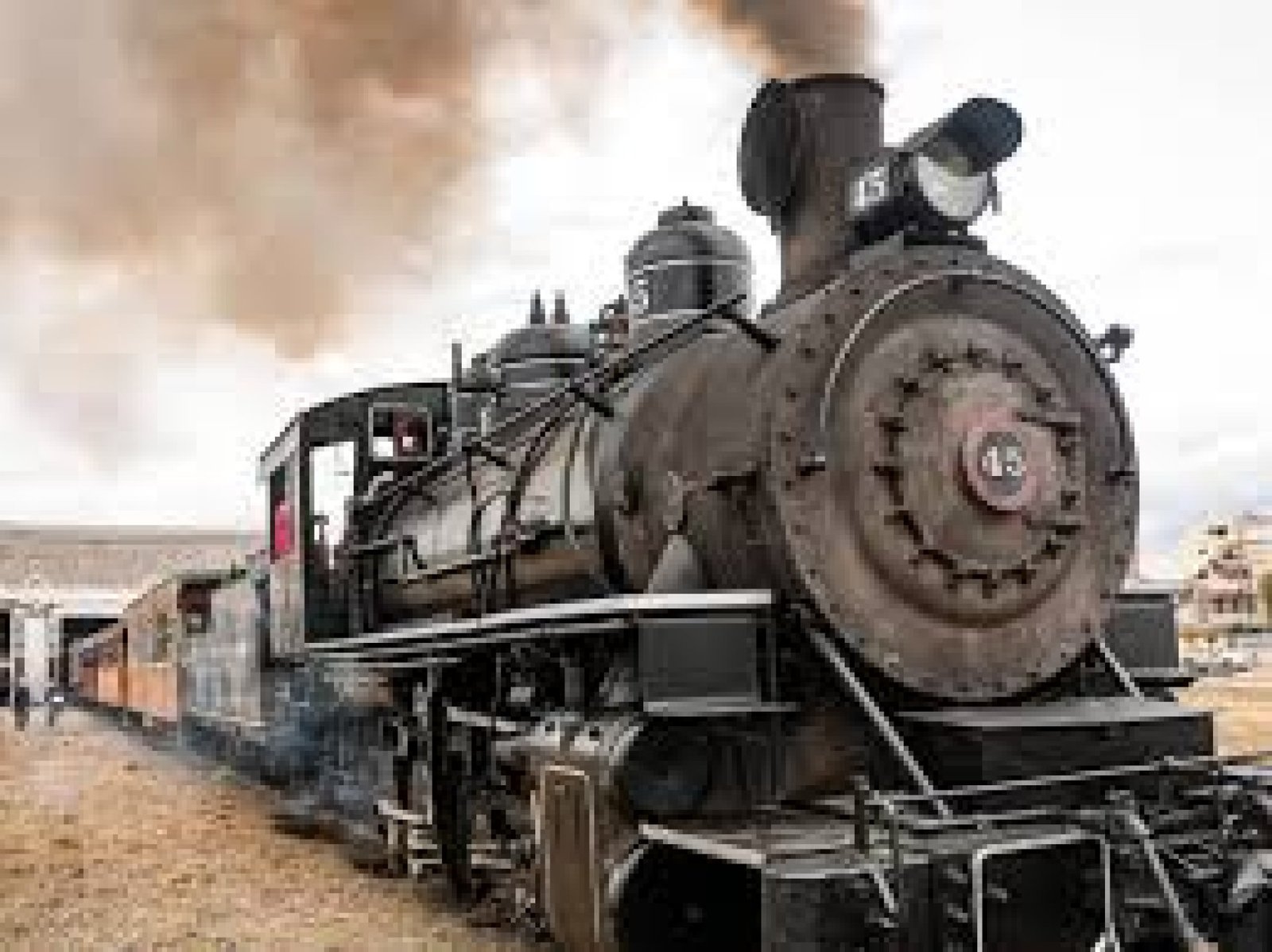
The Train in Ecuador’s History: Development, Memory, and Heritage Tourism
The railway marked a turning point in Ecuador’s history. In the early 20th century, the construction of the rail line connecting the Highlands and the Coast became one of the country’s greatest engineering challenges.
More than just a means of transportation, the train symbolized national integration and progress.
1. Connecting Regions
Before the railway, travel between the Highlands and the Coast was slow and difficult. The project helped connect cities such as Quito and Guayaquil, strengthening trade and mobility.
This connection boosted both economic and cultural exchange between regions.
2. The Iconic Devil’s Nose
One of the most impressive sections of the railway runs through the famous Devil’s Nose, near Alausí.
This segment is internationally recognized for its engineering complexity and the bold design that allowed trains to descend steep Andean slopes.
3. Social and Economic Impact
The train facilitated the transportation of agricultural products and encouraged the growth of towns along the railway.
It also generated employment and supported the integration of rural communities into national development.
4. The Train as a Tourism Heritage Experience
Today, railway routes have become cultural experiences that allow visitors to relive an important chapter of Ecuador’s history.
Rail tourism combines Andean landscapes, historical memory, and local traditions.
5. Symbolic Value
Beyond its practical function, the train represents a fundamental chapter in Ecuador’s national identity.
It stands as a reminder of collective effort and the vision to unite a geographically diverse country.
Conclusion
The train in Ecuador is not merely infrastructure from the past—it is a living part of the country’s heritage.
Exploring its history helps us understand how Ecuador overcame geographic barriers and strengthened national unity through railway development.