
 Español

Traditional Architecture of Ecuador: A Journey through Colonial and Andean Gems
Ecuador’s architecture is among the richest and most diverse in Latin America, blending indigenous, colonial, and modern influences. From the impressive colonial temples and monasteries to indigenous adobe and palm constructions, every corner of the country tells a story through its buildings.
Colonial Churches: Religious and Cultural Heritage
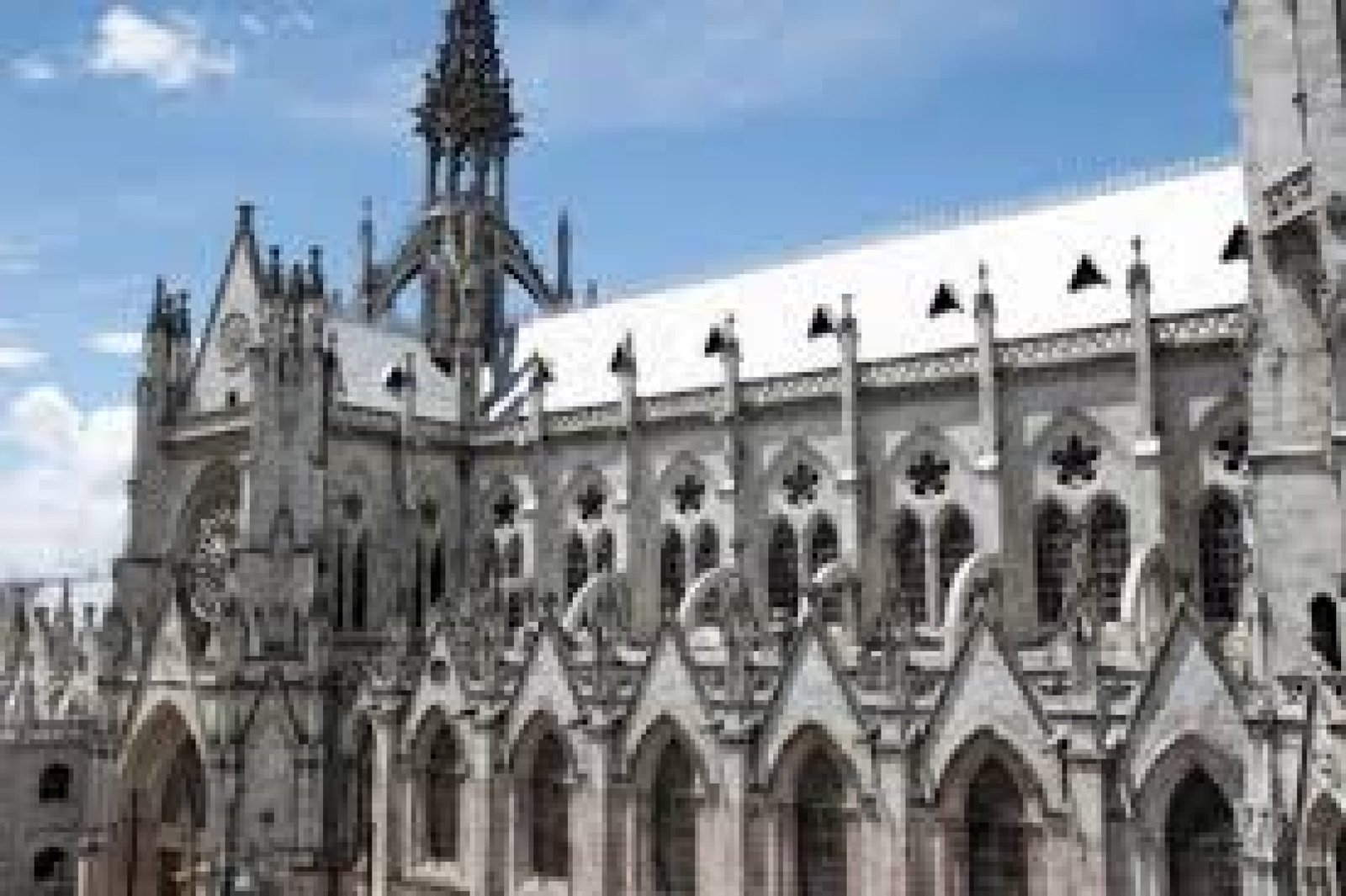
In Andean cities such as Quito and Cuenca, colonial churches stand as witnesses to the arrival of Christianity and Spanish influence. The Church of the Society of Jesus in Quito, famous for its Baroque facade, is a remarkable example. The churches of Cuenca, with their white domes and neoclassical details, also reflect the region's cultural fusion.
Adobe Houses in the Andes: Reflecting Rural Life
In rural Andean communities, adobe houses with guadua palm roofs represent a way of life deeply rooted in nature and ancestral traditions. These homes, cool in the summer and warm in the winter, are a perfect adaptation to the mountainous climate and availability of local materials.
Mansions and Palaces on the Coast: Traces of the Colonial Era
On the coast, large wooden mansions with wide balconies and windows showcase the legacy of colonial merchants and landowners. Cities like Guayaquil and Portoviejo preserve examples of these buildings that reflect the region’s prosperity during colonial times.
Indigenous Architecture: Wisdom and Sustainability
Indigenous constructions, both in the Sierra and the Amazon, are designed to blend harmoniously with the natural environment. The Kichwa huts in the Andes or the malocas in the Amazon are circular structures, easy to build, and take advantage of natural ventilation, providing comfort and energy efficiency.
Fusion of Styles: Architectural Syncretism
Ecuadorian architecture is a clear example of syncretism. In the 17th century, indigenous construction techniques were combined with Baroque and Neoclassical styles brought by Spanish colonizers, resulting in a unique architecture in the continent.