
 Español

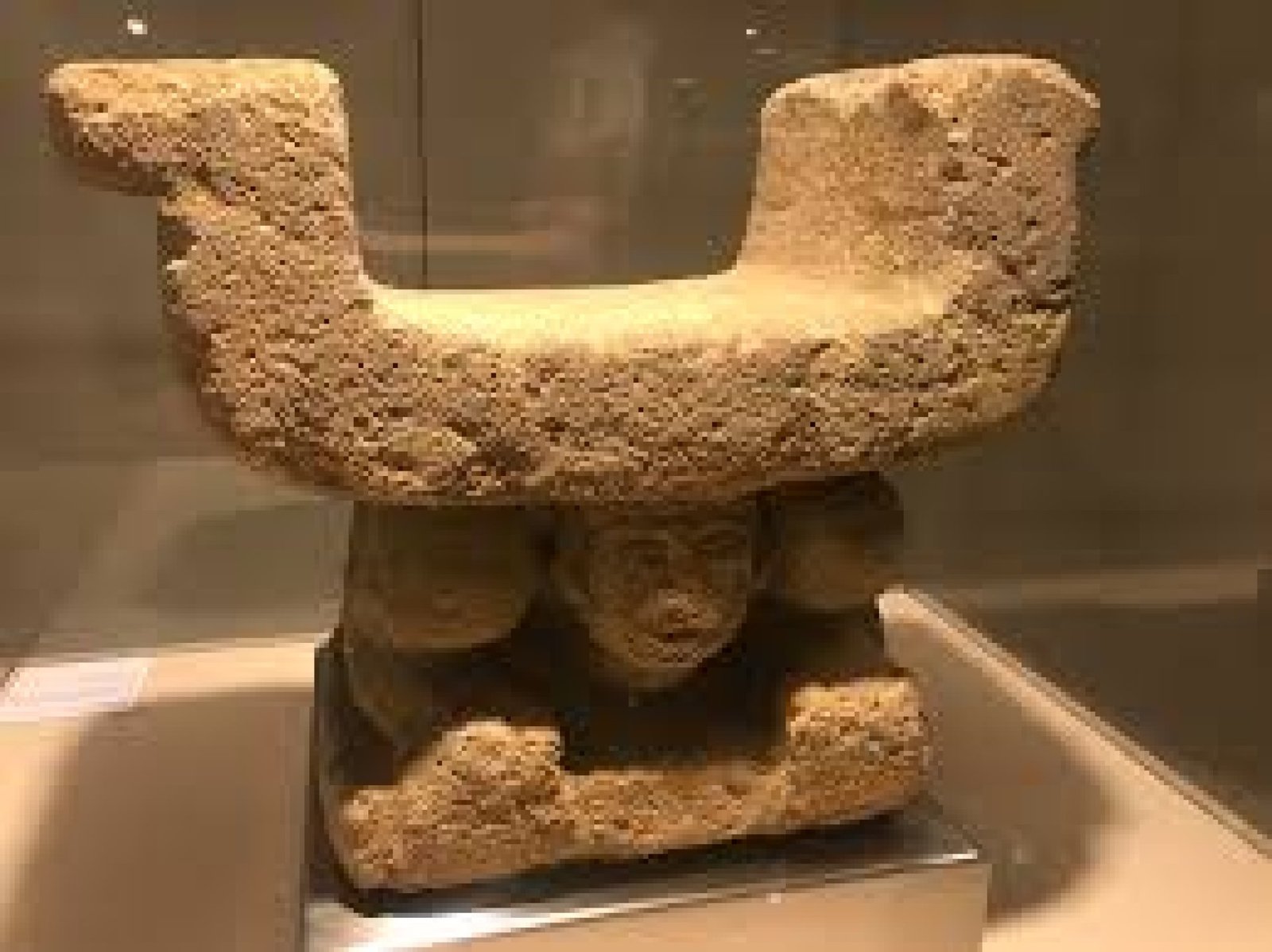
Stones That Speak: The Funerary Language of Ecuador’s Manteño Culture
From the 8th to the 15th century, the Manteño people thrived along Ecuador’s coastal province of Manabí. Renowned for their seafaring trade, ceremonial stone seats, and mastery of the sacred Spondylus shell, the Manteños also left behind a lesser-known legacy: their intricate stone tombs.
Sacred Architecture of the Afterlife
These weren’t mere burial pits. Manteño tombs were carefully crafted from volcanic stone, often circular or square, and aligned with celestial patterns. Archaeologists believe these orientations reflect a cyclical view of time and the soul’s journey — where death marked transformation, not an end.
Stone as a Vessel of Memory
For the Manteños, stone wasn’t just durable — it was alive. It held spirit and memory. That’s why they carved both tombs and ritual sculptures from stone, trusting it to safeguard the presence and identity of the deceased. Some engravings may even function as spiritual maps or cosmic calendars.
Offerings for the Journey Beyond
Inside these tombs, archaeologists have found ceramic vessels, shell jewelry, fragments of Spondylus, and small stone chairs — symbols of status or spiritual tools meant to accompany the dead on their passage to the next world. Each object tells a story of reverence, identity, and continuity.
A Threatened Legacy
Many tombs have been looted or destroyed by urban development. Yet local museums and archaeologists are working to preserve what remains. New cultural tourism routes are beginning to highlight these sites, offering respectful ways to engage with Ecuador’s ancient past.
Listening to Stone
Visiting a Manteño tomb is like stepping into a silent dialogue with time. The stone, once touched and shaped by ancient hands, still speaks — through its form, its symbols, and its sacred placement. To listen, one must slow down, observe, and remember that not all stories are written in words.