
 Español

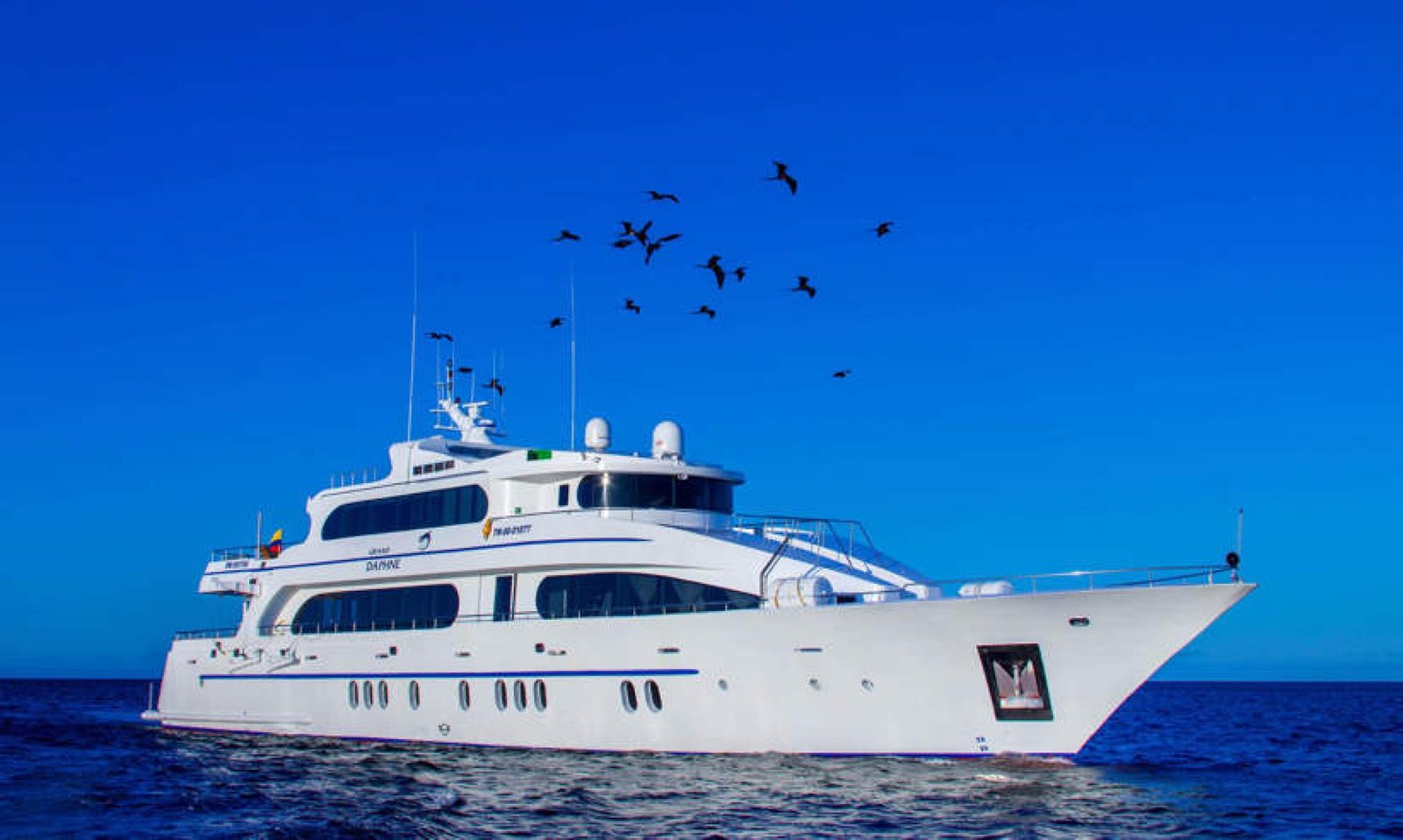
Small Ship vs Large Ship Galapagos Cruises: Which One Is Best for You?
Choosing a Galapagos cruise involves much more than selecting dates and budgets. One of the most important factors travelers often overlook is the size of the vessel.
When researching cruise options, you'll quickly discover a wide range of ships, from intimate yachts carrying 12 passengers to larger expedition vessels accommodating dozens of guests.
This naturally raises an important question:
Is it better to explore the Galapagos Islands on a small ship or a large ship?
The truth is that both options offer unique advantages and potential drawbacks. The right choice depends on your travel style, comfort preferences, and expectations.
In this guide, we'll compare small and large Galapagos cruise ships to help you make the best decision.
Why Does Ship Size Matter?
The size of a vessel affects several aspects of your experience, including:
- Onboard comfort.
- Stability at sea.
- Social atmosphere.
- Available amenities.
- Personalized service.
However, one thing it does not directly affect is the wildlife you will see.
Both small and large ships can visit authorized visitor sites depending on their itinerary.
What Is Considered a Small Ship in the Galapagos?
Small ships typically carry between:
- 12 passengers.
- 16 passengers.
- 20 passengers.
Common examples include:
- Yachts.
- Small catamarans.
- Boutique expedition vessels.
Advantages of Small Ships
More Personalized Service
Smaller groups allow guides and crew members to provide more individual attention.
Intimate Atmosphere
It is easier to get to know fellow travelers.
Many guests form friendships during the voyage.
Smaller Excursion Groups
Landing sites often feel more exclusive and less crowded.
Faster Boarding and Disembarkation
Smaller groups generally move more efficiently.
Authentic Expedition Feel
Many travelers appreciate the adventurous atmosphere.
Potential Drawbacks of Small Ships
More Motion at Sea
Smaller vessels tend to feel ocean movement more strongly.
This can be a concern for travelers prone to seasickness.
Smaller Common Areas
Lounges and observation decks may be more limited.
Fewer Onboard Amenities
Facilities are usually simpler compared to larger ships.
What Is Considered a Large Ship?
Large ships generally accommodate:
- More than 40 passengers.
- Up to 100 passengers or more in some cases.
Examples may include:
- Expedition ships.
- Large catamarans.
- Luxury cruise vessels.
Advantages of Large Ships
Greater Stability
Larger vessels usually provide smoother navigation.
This can be a major advantage for travelers concerned about seasickness.
More Public Spaces
Guests often enjoy:
- Spacious lounges.
- Large sun decks.
- Libraries.
- Observation areas.
More Amenities
Many larger ships offer:
- Fitness centers.
- Spa services.
- Conference rooms.
- Shops.
- Additional entertainment areas.
Greater Dining Variety
Food and beverage options are often more extensive.
Potential Drawbacks of Large Ships
Less Personalized Experience
Interactions may feel less intimate.
More Passengers
Public areas may be busier.
Traditional Cruise Atmosphere
Some travelers prefer the expedition feel of smaller vessels.
Which Option Is Better for Wildlife Viewing?
Many travelers wonder:
Do small ships provide better wildlife experiences?
The answer is:
Wildlife encounters depend far more on the itinerary than on the size of the ship.
When comparing cruises, pay close attention to:
- The islands visited.
- Cruise duration.
- Included activities.
A great itinerary often matters more than the vessel itself.
Which Is Better for First-Time Visitors?
For first-time visitors:
Small Ships Are Great If You Prefer:
- Personalized experiences.
- Smaller groups.
- Expedition-style travel.
Large Ships Are Great If You Prefer:
- More comfort.
- Greater stability.
- Additional onboard services.
Both options can deliver unforgettable Galapagos adventures.
What About Catamarans?
Catamarans deserve special attention because they combine some of the best features of both categories.
They often provide:
- Smaller passenger capacities.
- Excellent stability.
- Spacious cabins.
- Comfortable navigation.
For this reason, many travelers consider catamarans one of the best overall choices for a Galapagos cruise.
Tips Before Choosing
Don't Focus Only on Ship Size
The itinerary is usually more important.
Consider Your Experience at Sea
Travelers prone to motion sickness may prefer larger or more stable vessels.
Think About Time Onboard
Comfort becomes increasingly important on longer itineraries.
Compare Included Services
Activities and amenities vary significantly between vessels.
Why Book with Turismo Ecuador 24?
At Turismo Ecuador 24, we help travelers compare different ship types and select the perfect vessel for their travel style and budget.
We offer:
- Small yachts.
- Catamarans.
- First-class cruises.
- Expedition vessels.
- Luxury Galapagos cruises.
Our team carefully evaluates each option to help you find the ideal Galapagos experience.
Frequently Asked Questions
Do small ships visit more islands?
Not necessarily. The itinerary matters more than ship size.
Are large ships more comfortable?
Generally yes, especially regarding stability and onboard facilities.
Are catamarans a good option?
Absolutely. They are among the most recommended vessel types in the Galapagos.
What is more important: ship size or itinerary?
For most travelers, the itinerary is more important.
Conclusion
Both small ships and large ships can provide incredible Galapagos experiences.
Small vessels excel in personalized service, intimate atmospheres, and expedition-style adventures.
Large ships stand out for stability, comfort, and extensive amenities.
The best choice depends on your travel style and personal preferences.
Ultimately, selecting the right itinerary is often more important than the size of the ship itself.
With careful planning and expert advice from Turismo Ecuador 24, you can find the perfect cruise and experience one of the world's most extraordinary destinations in the way that suits you best.