
 Español

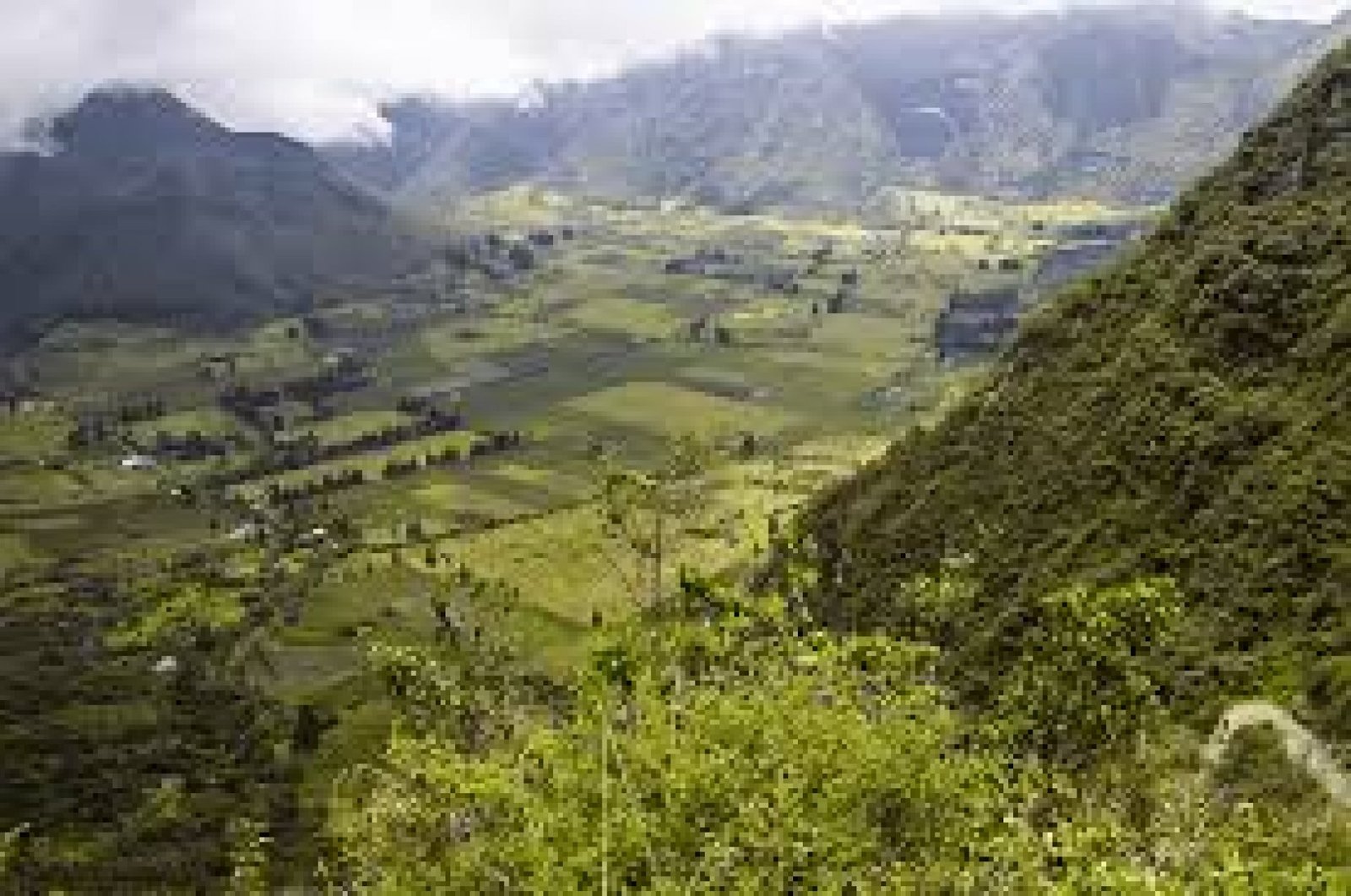
The Secondary Crater of Pululahua: Ecuador’s Inhabited Volcano
The Reserva Geobotánica Pululahua protects one of Ecuador’s most unusual geological landscapes: an inhabited volcanic crater. Located just north of Quito, this destination combines dramatic geology, fertile land, and rural Andean life in a truly rare setting.
The Volcán Pululahua is considered one of the few inhabited volcanoes in the world, as families live and farm inside its wide caldera.
1. What is the secondary crater of Pululahua?
Pululahua is a volcano whose explosive eruptions created a large caldera. Over time, smaller lava domes formed inside this depression — these are known as secondary craters.
These domes give the interior of the caldera its distinctive rolling landscape, offering panoramic views from the surrounding viewpoints.
2. A volcano where people live
Unlike most volcanoes in Ecuador, Pululahua’s crater is not empty. Thanks to its extremely fertile volcanic soil, local communities cultivate corn, potatoes, beans, and other Andean crops.
This rare combination of agriculture and visible volcanic geology makes the area a living natural laboratory.
3. Visible geology and ever-changing scenery
Pululahua’s landscape clearly reflects its volcanic origin:
-
Steep caldera walls
-
Lava domes inside the crater
-
Rich volcanic soil
-
Frequent mist that creates a mystical atmosphere
The contrast between deep green vegetation and rugged volcanic formations makes the scenery dynamic throughout the year.
4. Hiking and strategic viewpoints
One of the main highlights is the network of viewpoints where visitors can admire the entire crater from above. Hiking trails allow travelers to descend into the caldera and explore rural paths surrounded by farmland and nature.
It is an excellent option for travelers looking for nature experiences close to Quito but away from crowded tourist circuits.
5. Responsible tourism in a fragile ecosystem
As a protected geobotanical reserve, Pululahua requires responsible tourism practices. Respecting the environment helps preserve both the ecosystem and the livelihoods of the families living inside the crater.
Conclusion
The Volcán Pululahua proves that volcanic landscapes are not only dramatic natural formations, but also places where life adapts and thrives.
Visiting its secondary crater means discovering a different side of Ecuador — a volcano that is not only geologically impressive, but also deeply connected to human presence and rural Andean culture.