
 Español

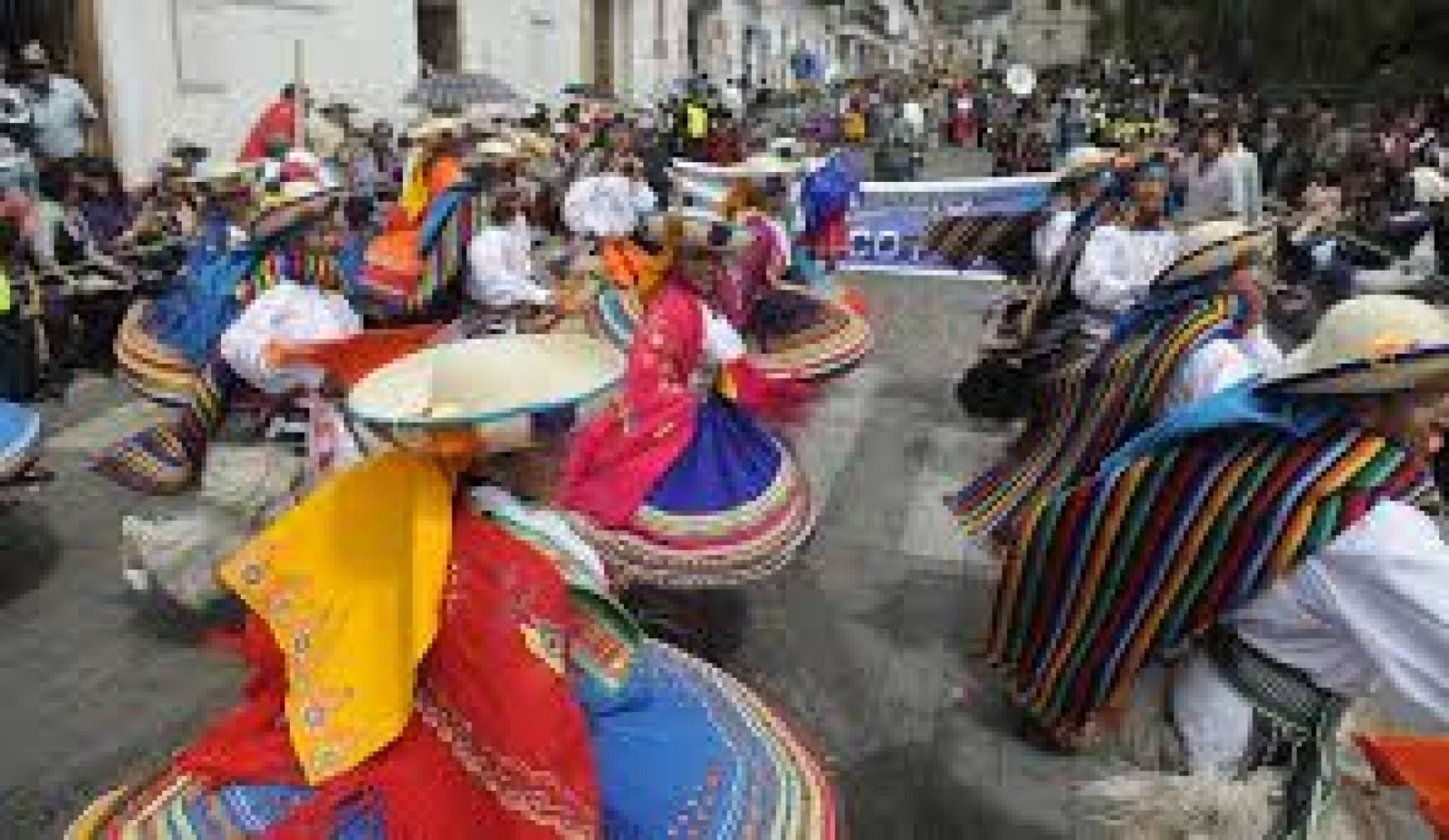
San Juan Dance: Afro-Ecuadorian Identity and Resistance
The San Juan dance is one of the most emblematic cultural expressions of the Afro-descendant communities in northern Esmeraldas, Ecuador. This vibrant tradition blends music, dance, history, and spirituality, with roots tracing back to the era of slavery.
Origins and Historical Context
During colonial times, enslaved Africans celebrated Saint John the Baptist’s day on June 24 as a way to maintain their identity and resist oppression. Today, the San Juan dance continues as a powerful symbol of freedom, African heritage, and community strength.
Rhythm, Attire, and Symbolism
The beat of the bombo drum, cununos, and maracas guides the dancers. Women wear flowing skirts, and men don colorful shirts as they move to the rhythm of traditional chants that tell stories of struggle and faith. Every step is symbolic, connecting dancers to their ancestors.
A Living Heritage of Ecuador
More than just a religious celebration, San Juan represents Afro-Ecuadorian cultural affirmation. During the festivities, towns like Borbón, Limones, and San Lorenzo come alive with music, dance, and traditional food. This tradition strengthens local identity and deserves national and international recognition.