
 Español

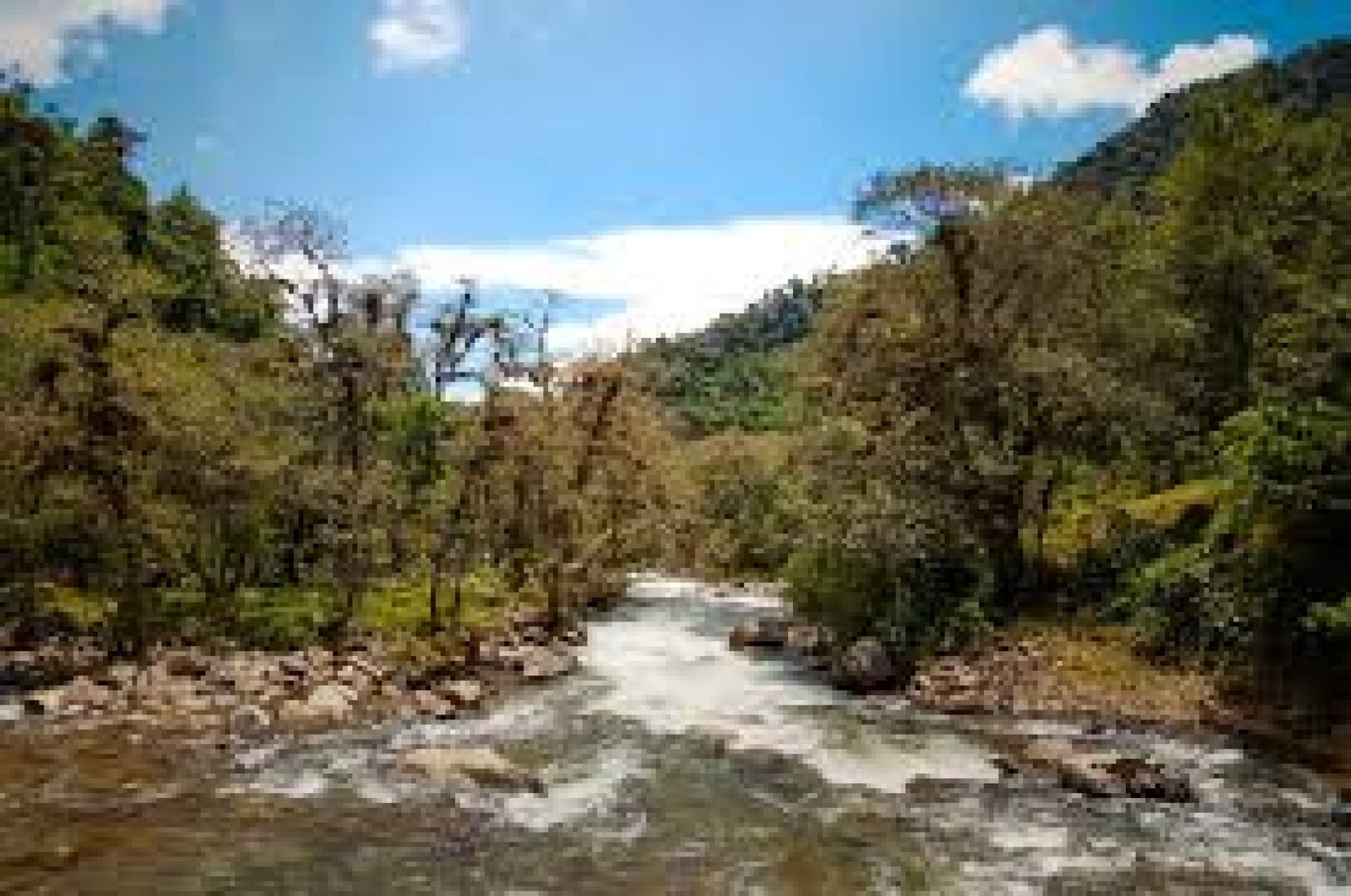
The Rivers of Llama: The Rhythm of Life in the Ecuadorian Andes
In the heights of the Ecuadorian Andes, amidst valleys and mountains, an ancient tradition connects llamas to rivers. They are not just pack animals; they are a vital part of an ecosystem that has sustained Andean communities for centuries.
Llamas as "Guardians of Water"
Andean communities believe llamas are, in some way, guardians of rivers. In highland ecosystems, llamas graze in areas where underground waters emerge, protecting the water sources. In some communities, rituals are performed to bless the llamas before leading their herds to wetlands and rivers.
Water and Earth, Llama and Man
In the Andes, water is more than just a resource — it is a sacred force. Llamas, with their ability to survive in the páramo, play a crucial role in the agricultural cycle, being used for transportation and as natural fertilizer. Without llamas, crops like quinoa, potatoes, and corn wouldn’t thrive in many hard-to-reach areas.
The Rhythm of the Rivers
Rivers in the highlands do not just flow; they mark the rhythm of life. In these communities, the sound of water and the passage of llamas across streams create a natural symphony intertwined with festivities and rituals. The “Water Festival” is an example of how water and llamas are celebrated as symbols of fertility and life.
Sustainable Tourism: A Journey to the Land of Llamas
Travelers venturing into the Ecuadorian Andes can learn about this ancestral relationship through sustainable tourism. They can participate in guided hikes through the páramo, observing how llamas help preserve ecosystems. Some communities offer visits where tourists not only see llamas but learn about their crucial role in agriculture and ecological balance.
A Culture that Sings to Water and Llama
The Ecuadorian mountains teach us that life cannot be separated from water or the llama. In this corner of the world, both elements are intertwined with traditions, creating a continuous cycle of respect and sustainability that deserves to be preserved.