
 Español

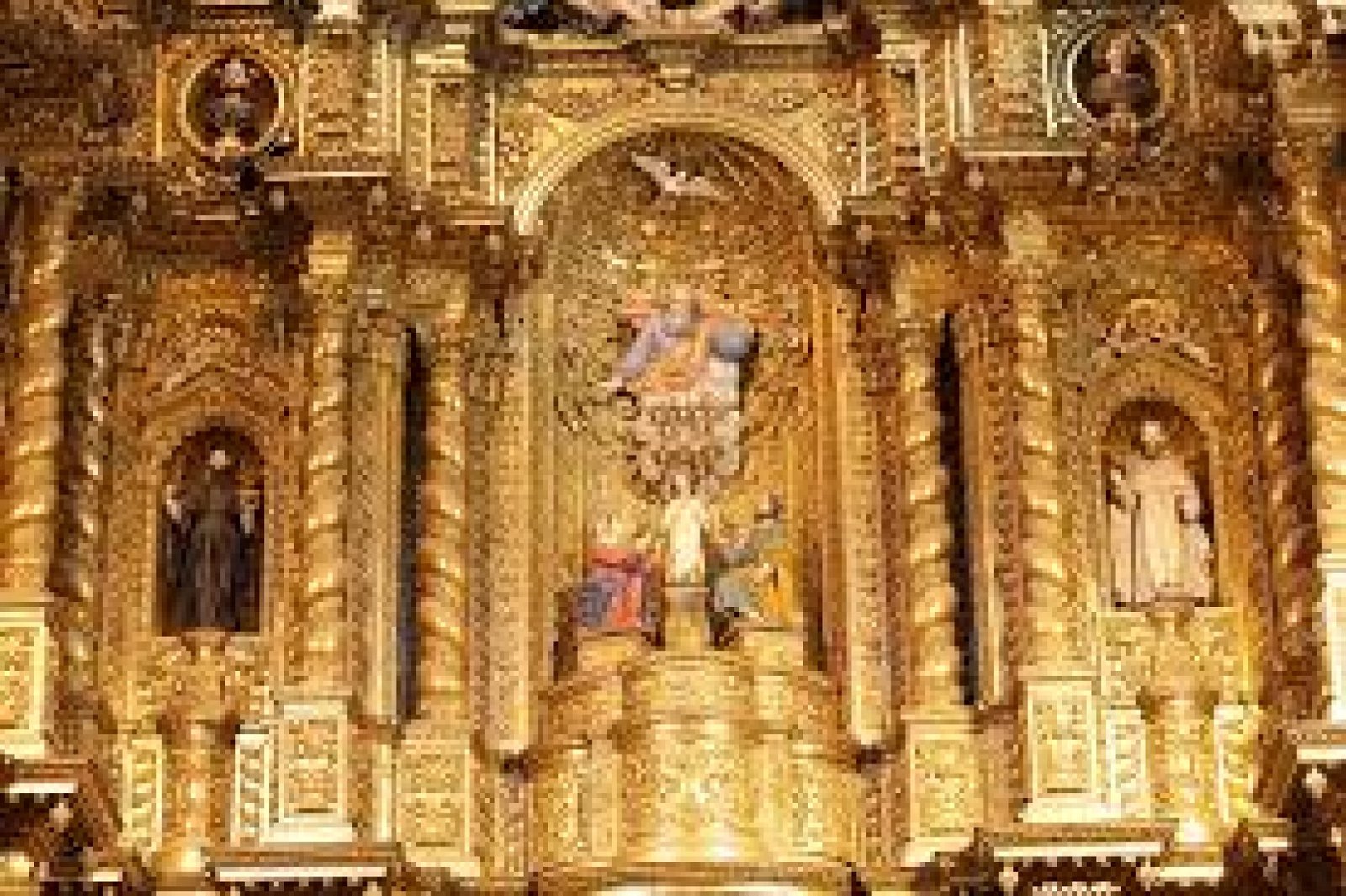
The Quito School: Baroque Art and Spiritual Heritage in Ecuador
In the 17th and 18th centuries, within the heart of the Royal Audience of Quito, a distinctive artistic movement emerged: the Quito School. It masterfully fused European Baroque techniques with Indigenous and Mestizo symbolism, creating art that was both deeply spiritual and culturally unique.
Key Characteristics
-
Elaborate Baroque Style: Richly adorned altarpieces, dramatic figures, and dynamic compositions.
-
Cultural Syncretism: Angels with Indigenous features, Mestizo Madonnas, and local plant motifs.
-
Religious Artworks: The legacy of artists like Bernardo de Legarda and Manuel Chili “Caspicara” lives on through expressive sculptures and paintings.
Essential Sites and Museums
-
Fray Pedro Gocial Museum (Quito): Houses a stunning collection of Quito School works.
-
Church of the Society of Jesus: A Baroque masterpiece in the heart of Quito.
-
San Francisco and El Sagrario: Churches that embody this sacred and artistic tradition.
Legacy and Recognition
In 1978, UNESCO declared Quito’s Historic Center a World Cultural Heritage site, largely due to the enduring influence of the Quito School, which continues to captivate visitors from around the globe.