
 Español

Quito Heritage Route: History, Colonial Architecture, and Andean Traditions
Quito, the capital of Ecuador, is not only a vibrant urban center but also a true testament to the history, culture, and colonial architecture of Latin America. Declared a UNESCO World Heritage Site, the city offers a fascinating route that connects centuries of tradition with modernity.
Historic Center: A Journey Through Time
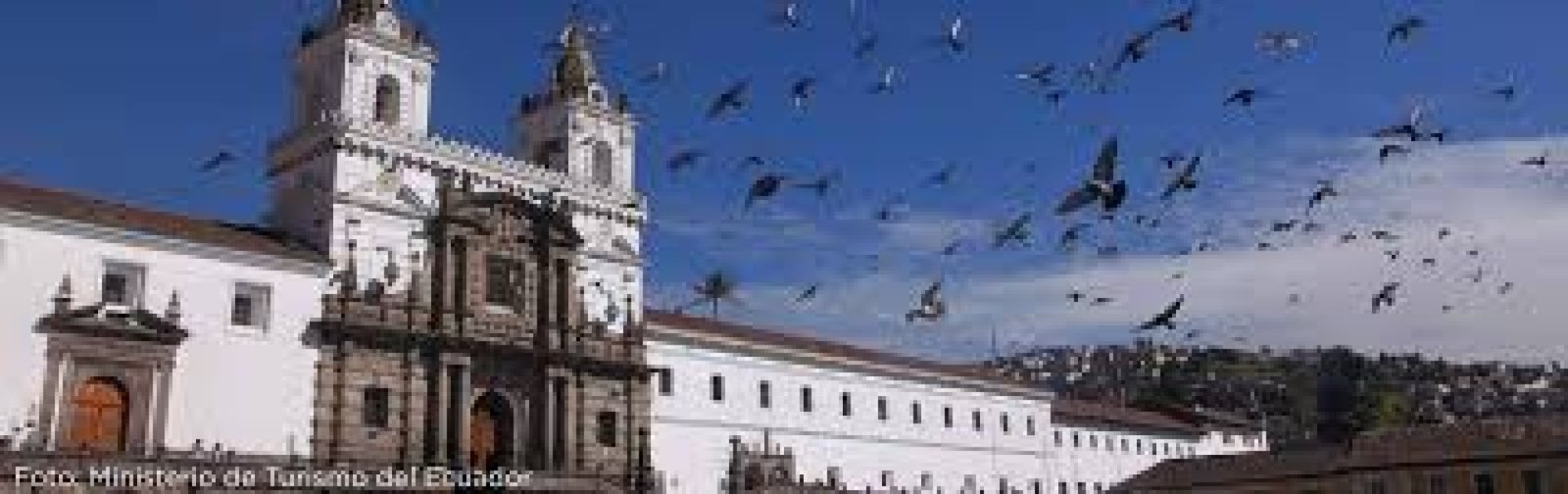
Quito's Historic Center is one of the best-preserved in the Americas, where visitors can admire colonial churches like the Church of the Company of Jesus, the National Basilica, and the Monastery of San Francisco. The cobblestone streets, historic squares, and colonial buildings transport visitors to another era.
The Middle of the World: Andean Science and Culture
Just a few kilometers from the city is the Middle of the World monument, where the equator line crosses. This site is not only a major tourist attraction but also a symbol of the ancestral knowledge of Andean peoples about geography and the cosmos.
Quito Cuisine: Flavors that Tell Stories
Quito’s gastronomy is a blend of Indigenous and colonial influences. Dishes like locro de papas (potato soup), mote with chicharrón (hominy with fried pork), and helado de paila (traditional ice cream) are just some of the flavors that represent the city’s rich culinary heritage. The markets of San Francisco and La Magdalena are the best places to experience these delicacies.
Andean Traditions in Modernity
Quito is also a cultural hub where Andean traditions coexist with contemporary expressions. Festivals like Inti Raymi, Fiestas de la Mama Negra, and the Carnival of Quito are examples of the rich mix of Indigenous, mestizo, and modern influences that define the city's identity.
Museums and Urban Art Route
The city offers a varied cultural scene, from museums like the Banco Central Museum and the Casa de la Cultura to the urban art found in neighborhoods like La Floresta and Guápulo. Quito is a reflection of creativity and respect for its history.