
 Español


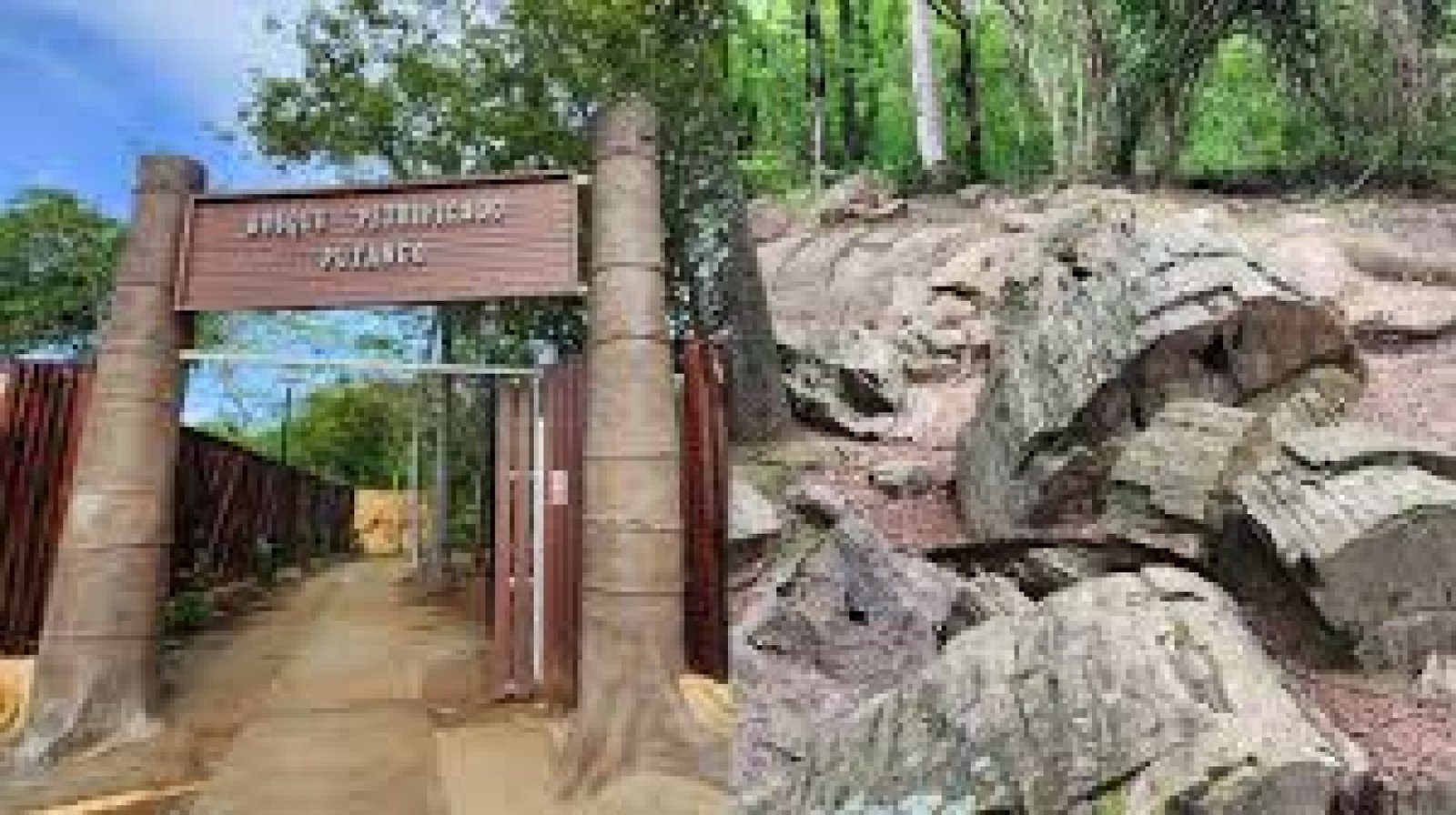
Located between the provinces of Loja and El Oro, the Puyango Petrified Forest is one of Ecuador’s most astonishing natural and geological treasures. Covering over 2,600 hectares, this site is home to one of the world’s largest collections of petrified trees, with fossils dating back more than 100 million years. It is a perfect destination for nature lovers, geologists, and those fascinated by prehistoric history.
History and Significance
The Puyango Petrified Forest is one of Latin America’s most important fossil reserves. Scientists believe this area was once part of an ancient seabed, where over millions of years, tree remains and other species were naturally fossilized. In addition to its incredible collection of fossilized tree trunks, marine fossils such as mollusks, bivalves, and ammonites have also been discovered, providing evidence of an ancient marine ecosystem.
Highlights of the Puyango Petrified Forest
-
Giant Fossilized Trunks: Some petrified trees measure up to 15 meters in length and 2 meters in diameter, preserving impressive details of their original structure.
-
Interpretive Trails: Well-marked trails allow visitors to explore the area and learn about the fossilization process.
-
Marine Fossils: Shell fossils and other remains of marine organisms that lived here millions of years ago can be observed.
-
Unique Biodiversity: Despite its dry appearance, the forest is home to a variety of flora and fauna, including cacti, tropical dry forest trees, armadillos, foxes, and many bird species.
Activities for Visitors
-
Fossil Exploration: Walk through the forest and marvel at the stone trees that have stood the test of time.
-
Photography: An ideal spot for capturing unique images of natural formations and prehistoric fossils.
-
Flora and Fauna Observation: Discover how local biodiversity has adapted to this semi-arid ecosystem.
-
Scientific Research: Geologists and scientists visit Puyango to study its fossils and gain insights into Earth’s ancient past.
Best Time to Visit
The Puyango Petrified Forest can be visited year-round, but the best time is during the dry season, from June to November, when trails are more accessible.