
 Español

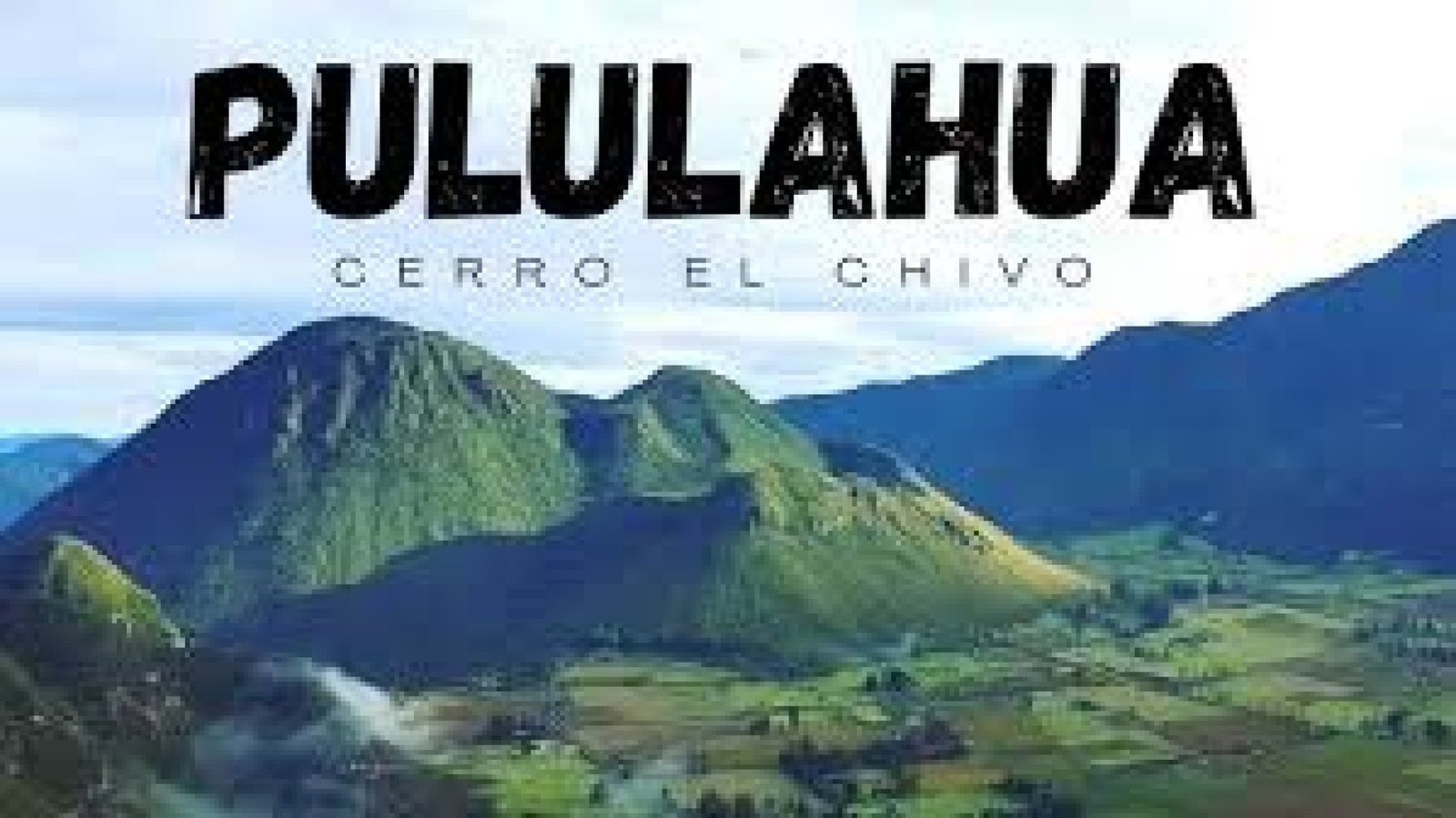
Pululahua Crater: The Rare Inhabited Volcano of Ecuador
Just north of Quito lies one of Ecuador’s most unusual volcanic landscapes: Pululahua Crater. This massive volcanic depression is the result of ancient eruptions, but what makes it truly unique is that people live and farm inside it.
Pululahua is considered one of the few inhabited volcanic craters in the world, making it a fascinating combination of geology, agriculture, and Andean culture.
A Volcano That Collapsed Into a Caldera
Pululahua formed thousands of years ago after a series of powerful volcanic eruptions. These eruptions caused the volcano to collapse, creating a large caldera surrounded by steep hills and ridges.
Over time, volcanic ash and sediments accumulated inside the crater, transforming it into fertile land.
Extremely Fertile Volcanic Soil
The soils inside the crater are rich in volcanic minerals, making them ideal for agriculture. For generations, local families have cultivated crops such as corn, potatoes, and fruits within the crater.
This rare agricultural setting makes Pululahua a unique example of how communities adapt to volcanic landscapes.
A Landscape of Hills and Mist
Inside the crater, the scenery is made up of green hills, farmland, and rural paths often covered by drifting Andean mist. The combination of volcanic terrain and vegetation creates a landscape very different from most volcanoes in Ecuador.
From viewpoints along the crater rim, visitors can see the entire volcanic valley below.
A Protected Geobotanical Reserve
The area is part of the Pululahua Geobotanical Reserve, a protected region that preserves Andean flora, montane forests, and wildlife adapted to highland conditions.
The reserve also serves as an important site for environmental education and geological research.
Conclusion
Pululahua Crater shows how volcanic activity can eventually create fertile and habitable landscapes. This rare inhabited volcano highlights the long relationship between Andean communities and the rich soils formed by nature.