
 Español

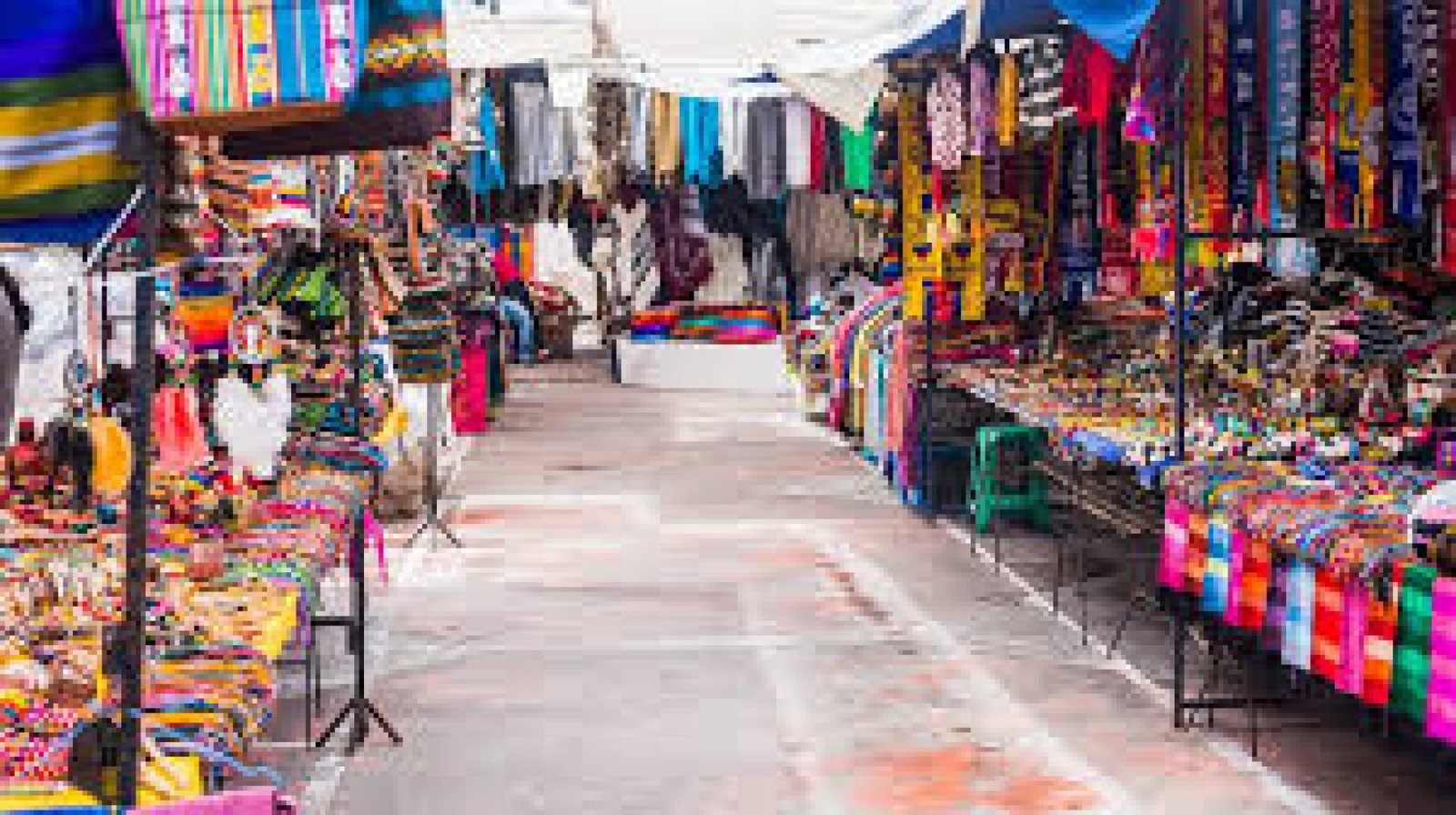
The Otavalo Market is one of Ecuador’s most iconic and traditional destinations, where indigenous culture meets the colorful hustle of markets worldwide. Located in the Imbabura province, in northern Ecuador, Otavalo is famous for its handicraft market, considered one of the largest and oldest in Latin America.
A Market with History
The Otavalo market has a history dating back more than 500 years, where the Kichwa peoples of the region traded agricultural products, textiles, and other goods. Today, the market remains the economic and cultural heart of the town, and its vibrant atmosphere reflects ancient traditions. It takes place mainly on Saturdays, but you can find smaller activities and sales every day of the week.
This market is not only a place to shop but also a window into the indigenous culture of the region. As you stroll through the colorful stalls, visitors can learn about the daily life of the Otavalo people, known for their textile craftsmanship and ties to agriculture. Many of the sellers, descendants of ancient Andean cultures, wear traditional clothing and are famous for their hospitality and pride in their heritage.
Handicrafts That Tell a Story
One of the biggest attractions of the Otavalo Market is its handicrafts. The market is famous for its textiles, including blankets, ponchos, scarves, tapestries, and rugs in vibrant colors. These pieces are handwoven, following traditional techniques that have been passed down through generations. Visitors can witness how artisans, many of them working on wooden looms, shape natural fibers such as alpaca wool, cotton, and other native fabrics.
Jewelry products are also popular, with a wide variety of silver pieces such as rings, bracelets, and necklaces adorned with local gemstones like jade, turquoise, and amber. The skill of Otavalo’s silversmiths is renowned, and each piece tells a story that reflects the region’s cultural identity.
In addition to textiles and jewelry, visitors can find a great variety of wooden crafts, hand-painted ceramics, traditional musical instruments like flutes and quenas, and various decorative objects reflecting Andean traditions.
A Complete Sensory Experience
The Otavalo Market is not only a feast for the eyes but also for the ears and the senses. As you walk through its stalls, the hustle and bustle of the market blend with the traditional music of the indigenous peoples, creating a unique atmosphere. The sounds of traditional instruments and the chants of the sellers encourage visitors to explore every corner of the market.
The market also offers a wide variety of local food products, from exotic fruits to cheeses and honeys. Some of the most popular items include empanadas de viento, humitas, and pan de yuca, sold hot and ready to enjoy. These traditional foods are an excellent way to experience the local cuisine while wandering through the stalls.
Cultural Connection and Local Experience
What truly sets the Otavalo Market apart from other markets is the opportunity to interact with the indigenous communities that inhabit it. Travelers who visit the market have the chance to learn directly from the artisans, many of whom are happy to share their knowledge of the products they create and the techniques used in making their works. Visitors can also participate in workshops on weaving, ceramics, or Andean guitar, giving them a more personal and enriching experience.
Around the market, you can also enjoy the beauty of the town of Otavalo, which retains much of its traditional architecture, with adobe houses and red tile roofs. Additionally, the mountains and green valleys surrounding the town create an impressive landscape that invites exploration, whether on foot or by bike.
Best Time to Visit and Travel Tips
The Otavalo Market is open every day, but Saturdays are the most vibrant, when the market reaches its full splendor. The best time to visit Otavalo is during the dry months, from May to September, when the weather is warmer and more pleasant. However, the market remains active year-round, and each season has its own charm.
When visiting the market, it’s recommended to bring cash (preferably in U.S. dollars, the official currency of Ecuador), as many vendors do not accept credit cards. It’s also a good idea to wear comfortable clothing and a hat for sun protection, as the market can get quite hot, especially during midday.
The Otavalo Market is not just a market; it’s a window into the rich indigenous culture of Ecuador, a place where travelers can immerse themselves in Andean traditions, buy unique handicrafts, and enjoy an authentic experience. If you’re visiting Ecuador, don’t miss the chance to explore this vibrant destination, where history, art, and the warmth of its people blend in every corner of the market.