
 Español

The Tradition of Natural Dyeing in Ecuador: Colors Born from the Earth
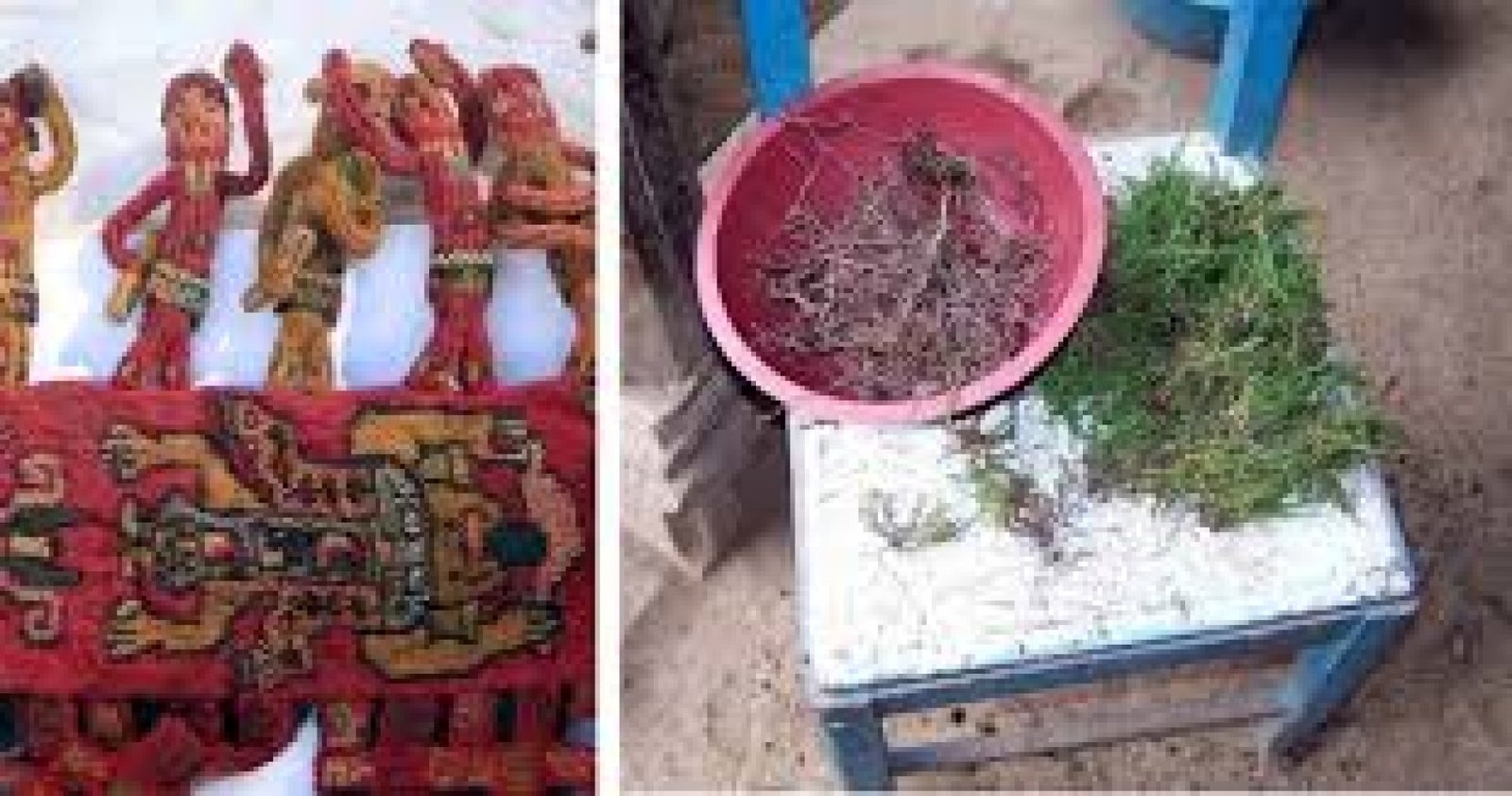
Long before synthetic dyes existed, Indigenous communities in Ecuador mastered the art of natural dyeing. By using elements from their surroundings—such as roots, leaves, fruits, minerals, and even insects—they produced intense, long-lasting colors that brought life to ponchos, belts, blankets, and other traditional textiles. This ancestral practice, both sustainable and deeply symbolic, reflects a profound respect for the land and for the wisdom passed down through generations.
Colors with Meaning
In Andean cultures, each color carries spiritual or social significance. Red, obtained from cochineal or certain seeds, may represent life or blood. Blue and purple, extracted from plants like indigo (indigofera), symbolize the cosmos or the spiritual realm. These are not random choices: the colors form a visual language that conveys identity, heritage, and a sacred connection with Pachamama (Mother Earth).
Plants that Tell Stories
Commonly used natural dyes include walnut for browns, chilca for greens, achiote (annatto) for reds, and purple corn for deep violet hues. Some techniques involve boiling materials in spring water, adding salt to fix the pigment, or leaving textiles under the sun to deepen the tones. Each community has its own formulas, and knowledge is often passed down orally or through hands-on apprenticeships.
Dyeing as Cultural Resistance
In places like Otavalo, Salasaca, or Guamote, many artisans have kept this practice alive as a form of cultural resistance in the face of industrialization and the erosion of ancestral knowledge. Products made with natural dyes are increasingly valued for their beauty, durability, and eco-friendly process.
A Sustainable Alternative
Natural dyeing has also become a tool for environmental awareness. Unlike synthetic dyes, natural ones do not pollute waterways or harm the skin. Some community-led projects now teach this craft to younger generations and even combine it with cultural tourism, inviting visitors to participate in the entire process—from collecting the plants to watching them become vibrant dyes.