
 Español

National Parks of Ecuador: Conservation and Responsible Tourism
Ecuador is one of the most biodiverse countries in the world. A significant portion of this natural wealth is protected within its national parks—areas created to conserve unique ecosystems and endemic species.
These territories not only preserve nature but also offer valuable opportunities for sustainable tourism.
1. Diverse Ecosystems in One Country
Within Ecuador, travelers can find Andean páramo landscapes, Amazon rainforest, dry forests, and protected island ecosystems.
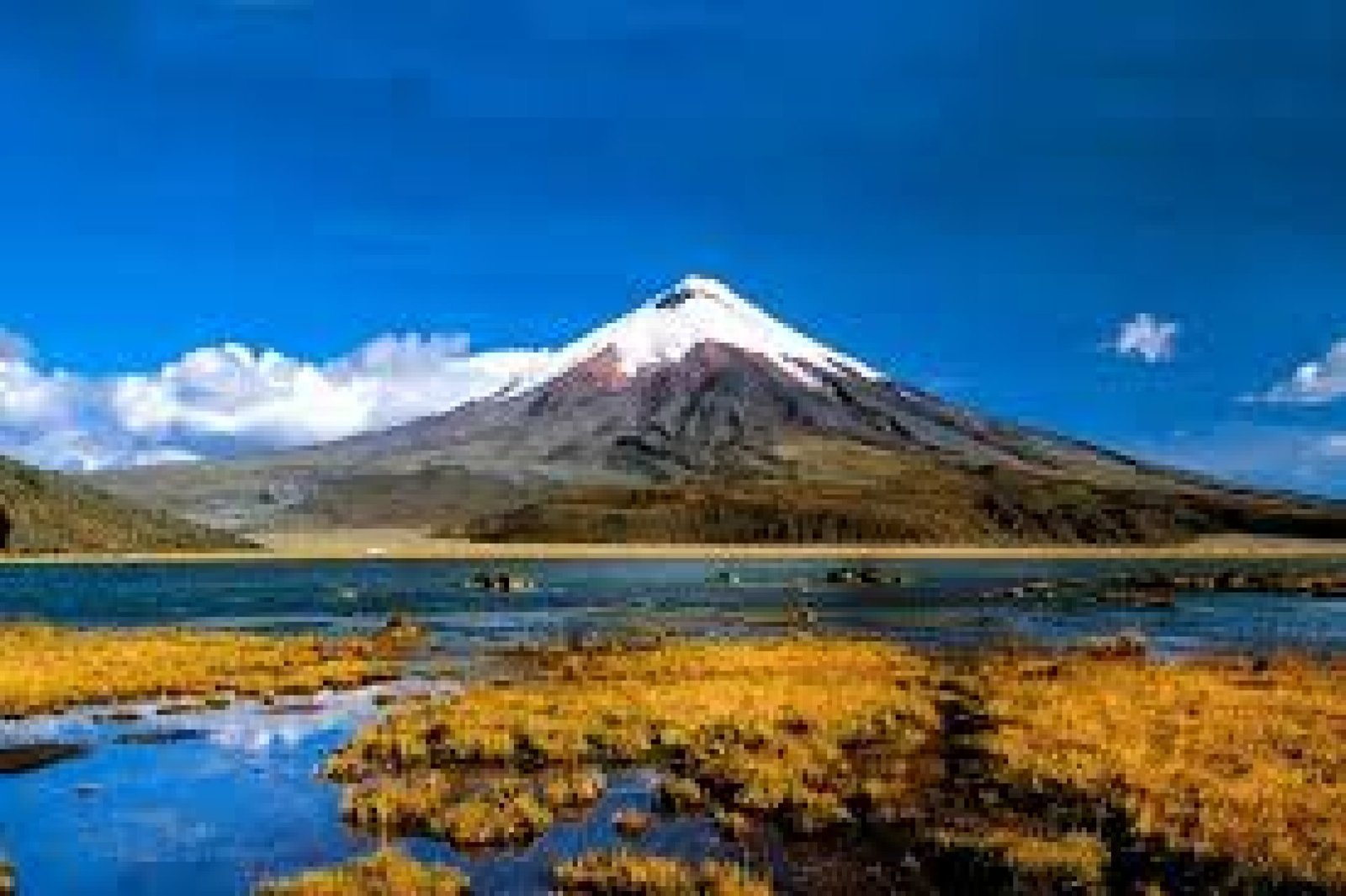
Cotopaxi National Park safeguards volcanic scenery and high-altitude wildlife.
Yasuní National Park is considered one of the most biodiverse places on Earth.
In the insular region, Galápagos National Park protects unique species that played a key role in major scientific discoveries.
2. Protection of Iconic Species
National parks serve as refuges for vulnerable and endemic species. Conserving these areas helps maintain ecological balance and ensures the survival of unique flora and fauna.
3. Tourism as a Conservation Tool
Well-managed tourism generates income that supports environmental protection and local communities.
Activities such as hiking, wildlife observation, and guided visits allow travelers to experience these ecosystems while minimizing environmental impact.
4. Environmental Education
Visiting a national park is also an educational experience. Local guides and interpretation centers help visitors understand the importance of preserving these natural spaces.
5. Current Challenges
Growing tourism and human activities present ongoing challenges. Proper planning and regulation are essential to prevent negative impacts and ensure long-term sustainability.
Conclusion
Ecuador’s national parks are fundamental pillars of environmental conservation and sustainable tourism.
Exploring them responsibly offers breathtaking landscapes while contributing to the protection of one of the planet’s most valuable natural heritages.