
 Español

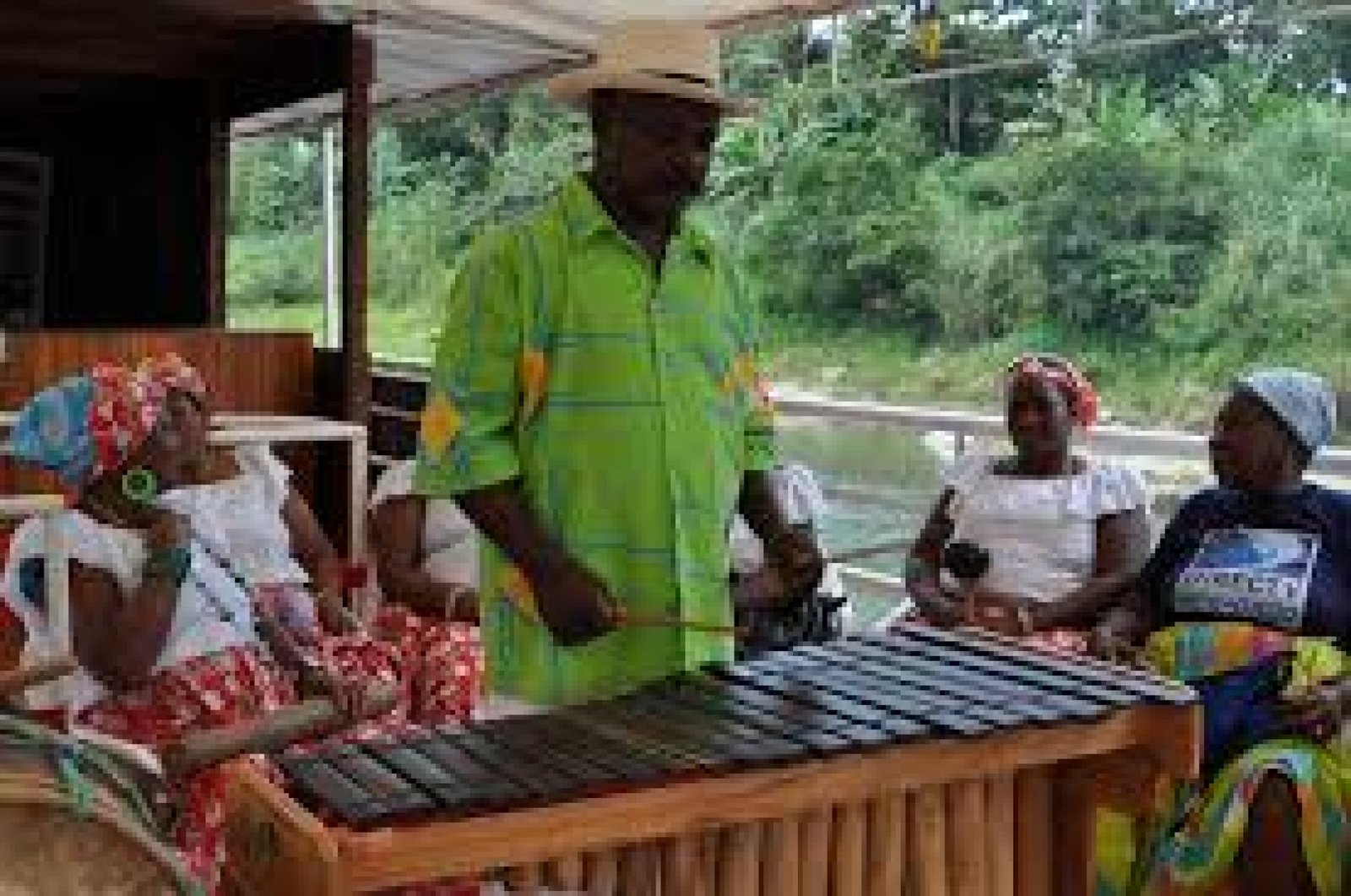
The Marimba: Cultural Heritage of Afro-Ecuadorians
The marimba is more than just a musical instrument—it is the beating heart of Afro-Ecuadorian culture in Esmeraldas, a symbol of joy, resistance, and spiritual expression. Declared Intangible Cultural Heritage of Humanity by UNESCO in 2010, its deep and vibrant sound accompanies traditional celebrations, rituals, and dances.
History and Origins
The marimba was brought to Ecuador by enslaved Africans and adapted to the natural environment of the Ecuadorian Chocó region. Handmade with wood and resonators made of bamboo or gourds, its rich sound has long expressed freedom and a profound connection to nature.
Cultural Significance
Afro-Ecuadorian communities use the marimba in spiritual and festive gatherings such as the arrullo, chigualo, and alabao, blending African heritage with Catholic traditions. Its music strengthens family bonds, transmits ancestral knowledge, and fuels collective dance and expression.
Preservation and Pride
In Esmeraldas, cultural centers, schools, and tradition bearers work tirelessly to preserve the marimba legacy. Listening to it means connecting with centuries of history, resilience, and a living culture that continues to shape Afro-Ecuadorian identity today.