
 Español

The mangrove as a space of life and work
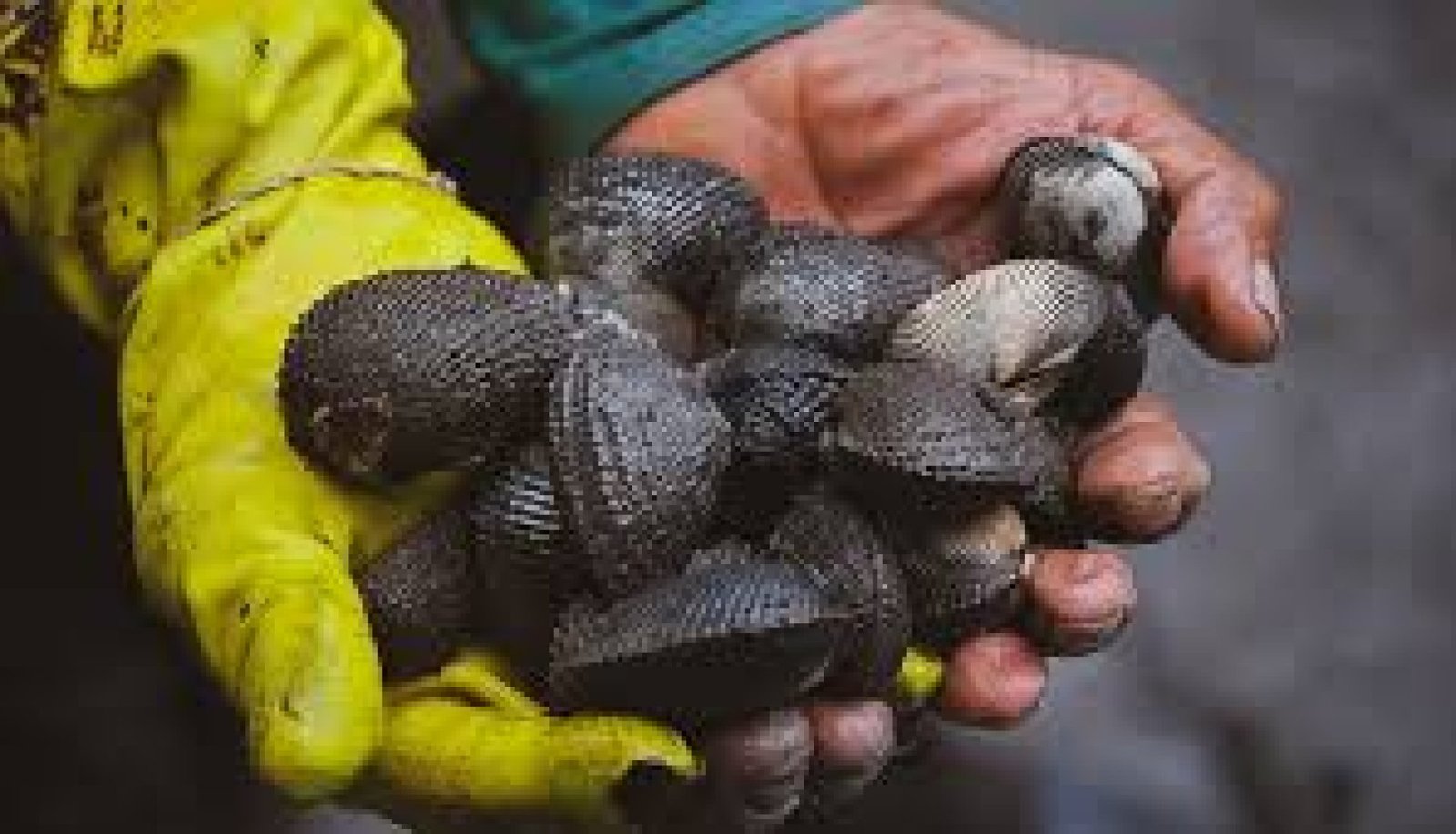
Along Ecuador’s northern coast, especially in Afro-Ecuadorian and rural communities of the province of Esmeraldas, the mangrove is not a landscape to be admired from afar, but a daily workplace. Here, women shell gatherers walk through mud and tidal waters to collect concha prieta, an activity that requires deep environmental knowledge, physical endurance, and ancestral memory.
This livelihood is learned not from books, but by walking the mangrove from childhood.
Knowledge passed down through generations
Shell gatherers understand the cycles of the mangrove, the tides, breeding seasons, and which areas must be left to rest. They know when to harvest and when to allow the ecosystem to recover.
This knowledge is passed from mothers to daughters and forms part of a traditional management system that has allowed mangroves to survive for decades, even under pressure from shrimp farming and coastal development.
Women and everyday coastal economies
Shell gathering is not a touristic activity, but a vital source of income and food security for many families. The sale of concha prieta sustains household economies and local markets, particularly those led by women.
Despite its importance, this labor has historically remained invisible and undervalued.
Territorial defense and ecosystem protection
Shell gatherers are not only harvesters, but also defenders of the mangrove. Many have been involved in community processes to protect these ecosystems from destruction and privatization.
For these communities, the mangrove is a living territory, not a resource to be exploited without limits.
Conscious tourism rooted in respect
Learning about shell gatherers requires a respectful and ethical approach. It is not about “doing the activity,” but about listening, learning, and understanding the deep relationship between community and ecosystem.
This form of conscious tourism highlights local knowledge and gives visibility to livelihoods essential for coastal sustainability.
The mangrove told through women’s voices
Women shell gatherers represent a form of quiet resistance. Their work sustains families, protects ecosystems, and keeps an ancestral relationship with the territory alive.
Discovering their story is discovering a coastal Ecuador that rarely appears in travel brochures, yet continues to thrive among roots, tides, and memory.