
 Español

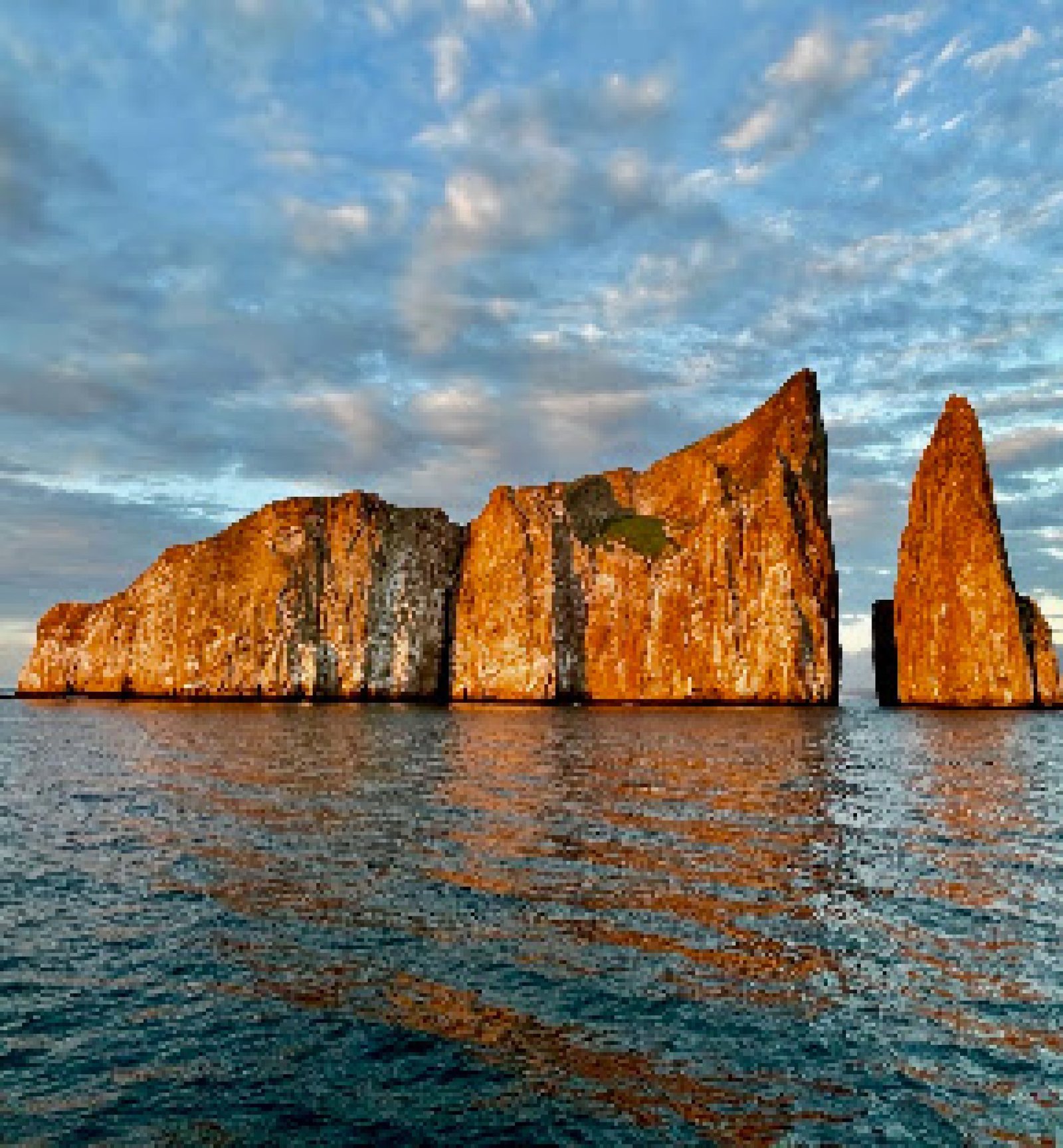
Kicker Rock Galápagos: Complete Guide to Snorkeling and Marine Wildlife
Kicker Rock, also known as León Dormido, is one of the most spectacular natural landmarks in the Galápagos Islands. Located off the coast of San Cristóbal Island, this impressive volcanic formation rises dramatically from the Pacific Ocean and creates a remarkable setting for marine wildlife encounters.
For travelers visiting the Galápagos, a Kicker Rock excursion offers the opportunity to explore the archipelago's underwater world, admire dramatic ocean landscapes, and experience one of the region's most memorable marine adventures.
At Turismo Ecuador 24, we help travelers discover Galápagos through organized excursions and personalized travel arrangements. If you are planning to visit San Cristóbal, Kicker Rock may be an excellent addition to your itinerary, depending on availability, sea conditions, and your interests.
In this guide, discover what makes Kicker Rock special, what wildlife you may encounter, how the excursion works, and how to prepare for your visit.
1. What Is Kicker Rock in the Galápagos?
Kicker Rock is a striking volcanic formation located off San Cristóbal Island. Its Spanish name, León Dormido, means “Sleeping Lion,” a reference to the shape of the rock when viewed from certain angles.
The formation consists of two towering rock walls separated by a narrow channel through which ocean water flows. This underwater environment attracts a variety of marine species and makes the area a popular destination for snorkeling and diving.
Kicker Rock is not an inhabited island with hotels, restaurants, or conventional visitor facilities. Travelers generally visit as part of an organized boat excursion departing from San Cristóbal.
Its combination of dramatic geology, open ocean, and marine biodiversity makes it one of the most recognizable natural attractions in the Galápagos.
2. What Wildlife Can You See at Kicker Rock?
One of the main reasons travelers visit Kicker Rock is the opportunity to observe marine wildlife in its natural environment.
Sightings vary according to the season, ocean conditions, visibility, and wildlife activity. No particular animal encounter can be guaranteed.
Sharks
Kicker Rock is known for its marine life, and visitors may encounter different shark species during snorkeling or diving excursions. Galápagos sharks and hammerhead sharks are among the species associated with the wider region, although sightings depend on conditions and luck.
Always follow your guide's instructions and maintain a respectful distance from wildlife.
Sea Turtles
Green sea turtles are among the marine animals visitors may encounter in Galápagos waters. Watching them swim through clear water can be one of the highlights of a snorkeling excursion.
Rays
Different species of rays inhabit the Galápagos marine environment. Depending on the conditions, visitors may see rays gliding through the water or resting near the seabed.
Tropical Fish
The waters around Kicker Rock support a diverse range of fish. Snorkeling provides an opportunity to observe marine life and appreciate the biodiversity of this protected ecosystem.
Seabirds
The rock formation and surrounding waters also attract seabirds. Depending on the season and conditions, visitors may observe frigatebirds, boobies, and other coastal or pelagic species.
Kicker Rock is an excellent destination for wildlife enthusiasts, but the experience is a natural excursion rather than an aquarium: animal sightings are never guaranteed.
3. What Is Included in a Kicker Rock Snorkeling Tour?
A typical Kicker Rock excursion from San Cristóbal involves a boat journey to the formation, time in the water when conditions permit, and opportunities to observe the surrounding landscape and wildlife.
The exact itinerary and inclusions vary by operator, departure date, and sea conditions.
Depending on the specific tour, services may include:
-
Boat transportation from San Cristóbal.
-
Guidance from the authorized tour crew or guide.
-
Snorkeling equipment.
-
Time to explore the marine environment.
-
A visit to an additional beach or coastal location, if included in the confirmed itinerary.
-
Meals or refreshments, depending on the package.
Before booking, confirm the departure time, duration, equipment provided, meals, transportation arrangements, and any restrictions related to swimming ability or minimum age.
Looking for Galápagos excursions? Explore the available options through Turismo Ecuador 24's Galápagos Tours.
4. Do You Need to Be an Experienced Swimmer?
You do not necessarily need to be an expert swimmer to enjoy every excursion in the Galápagos, but Kicker Rock snorkeling can involve challenging open-water conditions.
Currents, waves, water temperature, and visibility may vary. The narrow channel and exposed location mean this activity is not suitable for everyone.
Before reserving, tell the operator about your swimming experience and comfort level in open water. Ask whether the planned excursion is appropriate for your abilities and whether flotation equipment is available.
If you are not a confident swimmer, consider alternative wildlife experiences around San Cristóbal, such as guided coastal walks, beaches, and land-based excursions.
Safety instructions from the guide and crew must always take priority.
5. Where Is Kicker Rock Located?
Kicker Rock lies off the coast of San Cristóbal Island, one of the main inhabited islands in the Galápagos archipelago.
The main town, Puerto Baquerizo Moreno, is a common starting point for organized excursions.
Travelers typically fly to San Cristóbal Airport from mainland Ecuador, usually connecting through Quito or Guayaquil depending on the available airline schedules.
Once on the island, you can arrange accommodation and select excursions based on your available time.
If you are planning to visit several islands, consider how San Cristóbal fits into your wider itinerary. Inter-island ferry schedules and tour departures should be confirmed before you finalize your hotel bookings.
6. Best Time to Visit Kicker Rock
Kicker Rock can be visited during different times of the year, but conditions in the Galápagos marine environment change seasonally.
Two broad seasonal patterns influence the islands:
Warmer season: Generally associated with warmer sea temperatures and more tropical conditions. Rain showers can occur, and visibility varies.
Cooler season: Often associated with cooler water, the influence of the Humboldt Current, and changing marine conditions. Wildlife activity and underwater visibility depend on the specific location and day.
There is no single month that guarantees the best snorkeling experience. Ocean conditions, wind, currents, and the day's weather can affect the excursion.
The most practical approach is to choose your travel dates based on your overall Galápagos itinerary and confirm tour operation and conditions closer to departure.
7. What Should You Bring on a Kicker Rock Tour?
Preparing properly helps you enjoy your excursion more comfortably.
Recommended items include:
-
Swimwear worn under your clothes.
-
A towel and a change of dry clothing.
-
Reef-safe sunscreen where appropriate and permitted.
-
A hat and sunglasses for the boat ride.
-
Waterproof protection for personal items.
-
A reusable water bottle, if permitted by the operator.
-
Seasickness medication if appropriate for you.
-
Any personal medication you may need.
-
A waterproof camera or action camera, if you have one.
Snorkeling equipment may be included in the excursion, but you should verify this when booking.
Follow local conservation rules, avoid touching marine animals, and never remove rocks, shells, or other natural materials.
8. How Many Days Should You Spend on San Cristóbal?
The ideal length of stay depends on your interests and whether you plan to visit other Galápagos islands.
1–2 days: Suitable for travelers with limited time who want to explore the town, visit a beach, and select one excursion if schedules permit.
3 days: Offers more time for a marine excursion, a visit to the island's highlands, and relaxing at the beaches.
4 days or more: Allows a more flexible schedule and may provide opportunities to include additional excursions, depending on availability.
If Kicker Rock is a priority, consider allowing some flexibility in your itinerary. Weather and sea conditions can affect operations, and changing your plans may be difficult if you have tightly scheduled inter-island transfers.
9. What Else Can You Do on San Cristóbal Island?
Kicker Rock is only one of the attractions on San Cristóbal. The island offers several other ways to experience the Galápagos.
La Lobería
A coastal area known for its sea lions, marine iguanas, and scenic landscape. Depending on conditions and local rules, visitors may be able to swim or snorkel.
Puerto Chino Beach
A beautiful beach reached by a trail through the island's natural landscape. It is a great option for enjoying the coast and observing wildlife.
El Junco Lagoon
A freshwater lagoon in the island's highlands, surrounded by vegetation and open landscapes. Weather conditions can influence visibility.
Punta Pitt
A destination known for its coastal scenery and seabird observation opportunities. Access is generally arranged through an organized excursion, and availability should be confirmed.
Combining a marine adventure with a land-based excursion can help you appreciate the different ecosystems of San Cristóbal.
10. Can You Combine Kicker Rock with Other Galápagos Islands?
Yes. Many travelers combine San Cristóbal with Santa Cruz and Isabela through an island-hopping itinerary.
Each island offers a different experience:
Santa Cruz: A convenient base for visiting the highlands, observing giant tortoises, and exploring Puerto Ayora.
Isabela: Known for volcanic landscapes, beaches, and marine excursions such as Los Túneles.
San Cristóbal: A great option for coastal wildlife, beaches, and excursions to Kicker Rock.
Travel between islands requires advance planning. Ferry schedules, excursion availability, and travel times determine the order in which you should visit each destination.
For a smoother experience, build your itinerary around confirmed transportation and tour departures rather than assuming that every excursion operates every day.
Explore available options on our Galápagos Islands Tours page.
11. Why Book Your Galápagos Experience with Turismo Ecuador 24?
Planning a Galápagos trip involves coordinating transportation, accommodation, island transfers, and excursions. Choosing the right order for your activities can make a significant difference to your experience.
Turismo Ecuador 24 helps travelers organize Galápagos experiences and explore options based on their interests, schedule, and budget.
Depending on the services selected and confirmed, your travel arrangements may include:
-
Excursions on San Cristóbal and other inhabited islands.
-
Inter-island transportation planning.
-
Accommodation options.
-
Guided nature and wildlife experiences.
-
Itinerary planning for island hopping.
-
Travel arrangements that can be combined with tours on mainland Ecuador.
Whether you want to snorkel at Kicker Rock, discover the volcanic landscapes of Isabela, or explore the highlands of Santa Cruz, we can help you review suitable options for your trip.
Start planning your Galápagos adventure:
Visit our Galápagos Islands Tours page to explore available experiences and contact Turismo Ecuador 24 for a personalized itinerary.
Frequently Asked Questions About Kicker Rock
Is Kicker Rock worth visiting?
Kicker Rock is a popular destination for its dramatic volcanic formations and marine wildlife. It can be an excellent choice for travelers interested in snorkeling and ocean adventures, provided the conditions and activity are suitable for them.
Can you see hammerhead sharks at Kicker Rock?
Hammerhead sharks are associated with the wider Galápagos marine environment, and sightings may occur. However, no specific species or encounter is guaranteed on an excursion.
Can beginners go snorkeling at Kicker Rock?
Suitability depends on swimming ability, ocean conditions, and the operator's safety requirements. Because the excursion may involve open water and currents, discuss your experience with the operator before booking.
How do you get to Kicker Rock?
Kicker Rock is usually visited by boat from San Cristóbal Island as part of an organized excursion. It is not a destination that visitors reach by simply walking from Puerto Baquerizo Moreno.
Is Kicker Rock suitable for children?
Suitability depends on the child's age, swimming ability, the tour operator's policies, and the sea conditions on the day. Confirm all requirements before making a reservation.
Can I visit Kicker Rock on a day trip?
Yes. Kicker Rock is commonly visited as a boat excursion from San Cristóbal. Departure times, duration, itinerary, and availability depend on the selected operator and date.
What is the difference between Kicker Rock and Los Túneles?
Kicker Rock is located off San Cristóbal and is known for its dramatic rock formation and open-water marine excursions. Los Túneles is off Isabela and is famous for its lava formations, natural arches, and snorkeling environment. Both offer distinctive experiences, but the best choice depends on your itinerary and sea conditions.
Discover Kicker Rock with Turismo Ecuador 24
Kicker Rock is one of the most memorable places to experience the marine environment of the Galápagos Islands. Its towering volcanic walls, open ocean, and potential wildlife encounters make it a highlight for many travelers visiting San Cristóbal.
With careful planning, you can combine this excursion with beautiful beaches, coastal walks, and other Galápagos experiences.
Ready to explore the Galápagos?
Discover the available options through Turismo Ecuador 24's Galápagos Tours and contact our team to plan your next adventure.