
 Español

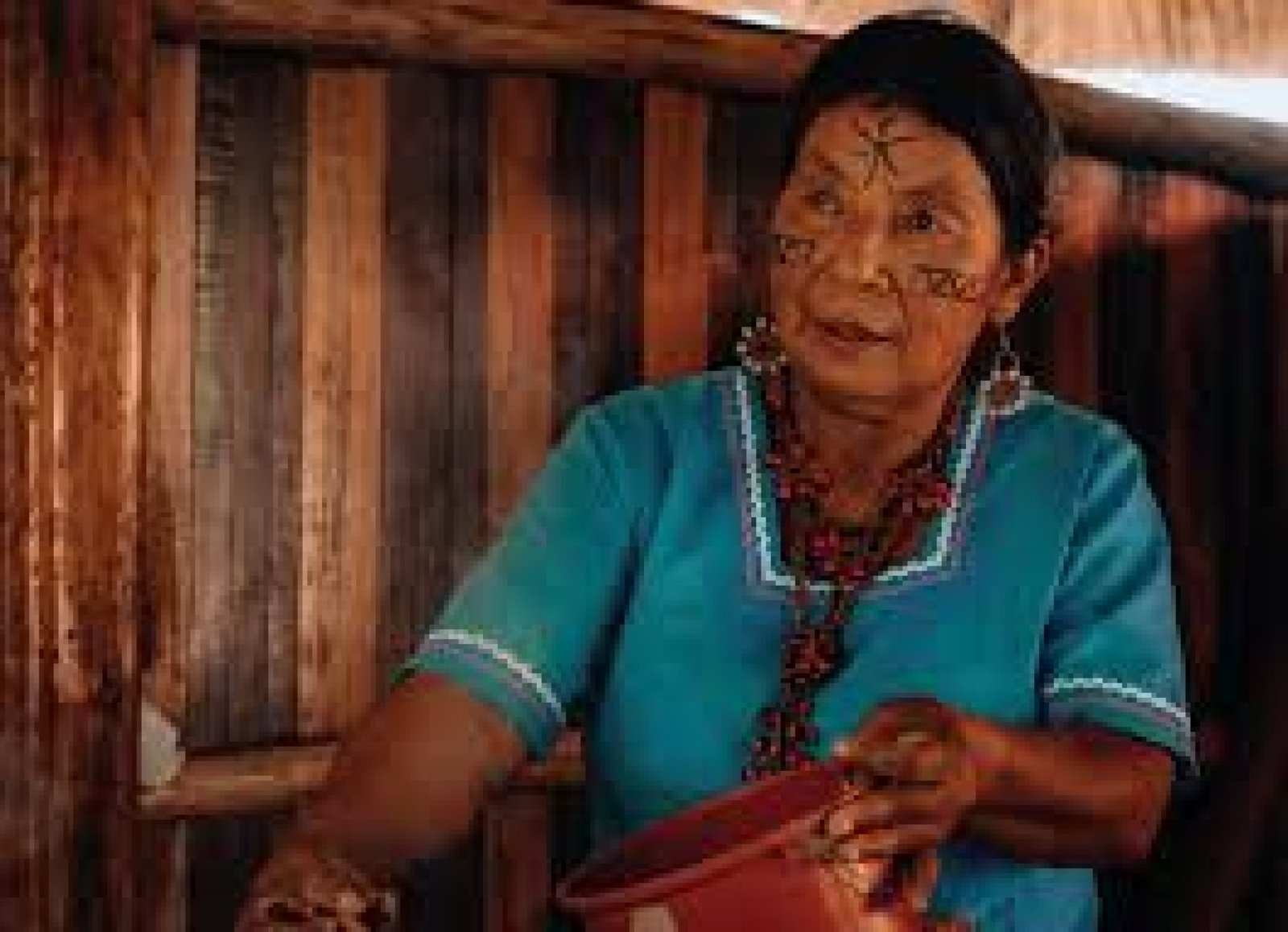
The Power of the Word: Kichwa Grandparents and the Living Oral Tradition of the Ecuadorian Amazon
In the humid, song-filled nights of the Ecuadorian Amazon, when the crickets sing and the fire cracks gently, Kichwa elders begin to speak. They don’t read from books or screens. They narrate. With stories, chants, metaphors, and silences, they pass on a worldview rooted in respect for the forest, the spirits, and the balance of life.
Stories That Teach and Protect
These tales are not mere folklore. They carry teachings on how to fish and hunt respectfully, how to honor the river, which trees must not be cut, and the consequences of upsetting the spiritual forces of the jungle. Figures like Runamula, Yacumama, or Sacharuna are not fantasy—they are moral guides and ecological guardians.
The Elder as a Keeper of Time
Each elder is a living archive. They remember the land before roads, how illnesses were healed with plants and chants, how water, fire, and birth were celebrated in sacred rituals. Their words are collective memory, spoken rather than written, deeply felt rather than explained.
Reviving Oral Traditions in Community
Some Kichwa communities have created intergenerational spaces where children, youth, and visitors gather to listen and learn. Sometimes these sessions are bilingual (Kichwa-Spanish), strengthening cultural pride and continuity. They are not staged performances—they are living ceremonies of identity.
Traveling to Listen, Not Just to See
This form of tourism is not about sightseeing—it’s about deep listening. Through the voices of the Kichwa grandparents, visitors are invited into a world where everything—trees, animals, rivers—has soul and story. It is a gentle, quiet, and transformative kind of journey.