
 Español

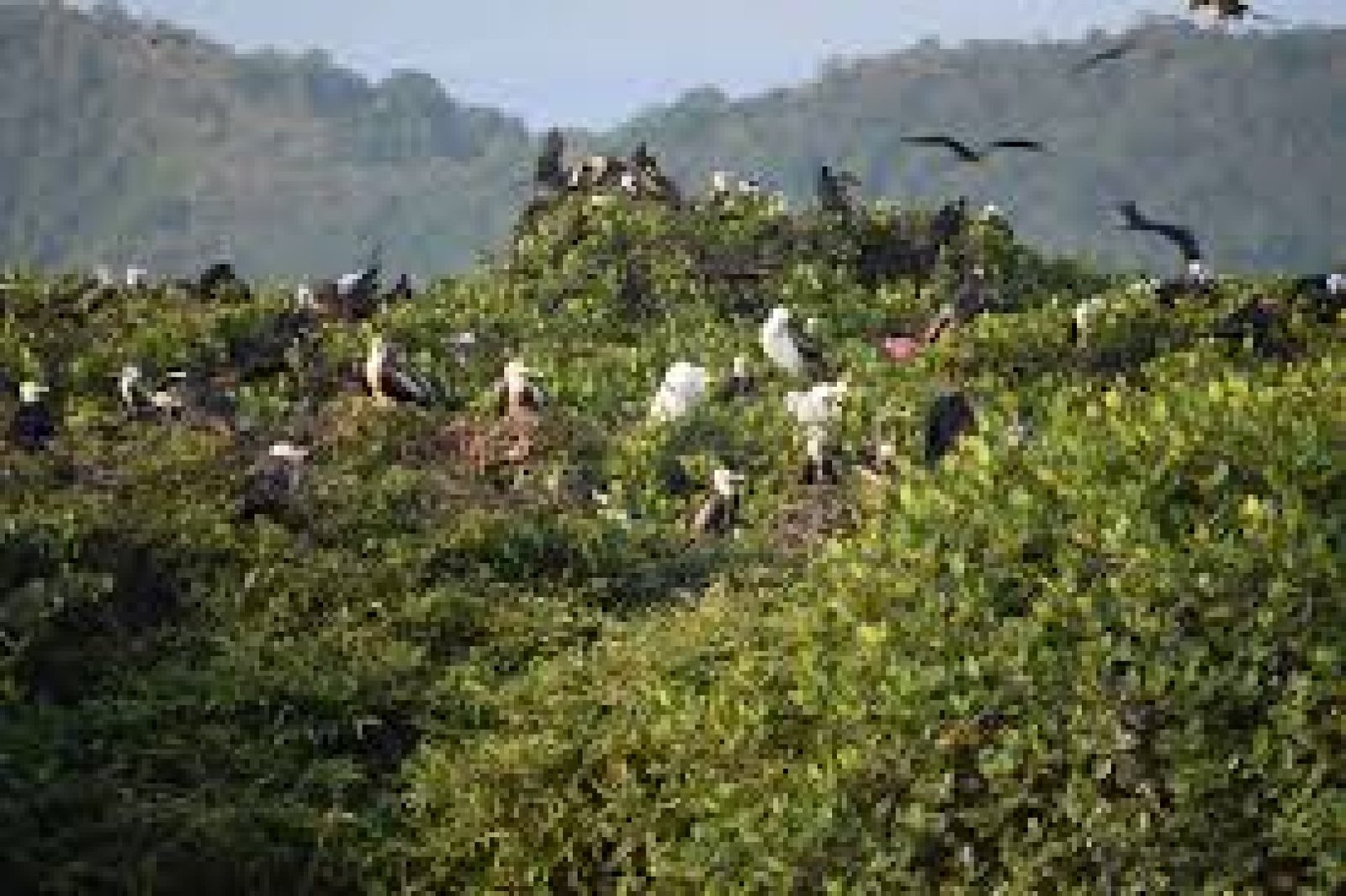
Isla Corazón and Fragatas: a natural refuge at the mouth of the Chone River
Located in the Chone River estuary in the province of Manabí, the Isla Corazón and Fragatas Wildlife Refuge is a protected area dedicated to the conservation of mangroves and seabirds. The refuge is especially known for hosting one of the most important frigatebird colonies on mainland Ecuador.
Mangroves that sustain coastal life
The refuge is mainly composed of extensive mangrove forests, where the dominant species include:
-
Red mangrove
-
Black mangrove
-
White mangrove
-
Button mangrove
These ecosystems play a vital role as breeding grounds for fish, crabs, and mollusks, while also acting as a natural barrier against coastal erosion.
The kingdom of frigatebirds
The main symbol of the refuge is the magnificent frigatebird, a seabird known for its large wingspan and the bright red gular pouch displayed by males during the breeding season.
In addition to frigatebirds, the area protects:
-
White and blue herons
-
Brown pelicans
-
Cormorants
-
Roseate spoonbills
-
Seasonal migratory birds
The high concentration of birds makes this refuge a key site for birdwatching and ornithological monitoring.
Estuarine wildlife
The mangroves of the refuge also support a diverse range of wildlife, including:
-
Red and blue crabs
-
Crab-eating raccoon
-
Iguanas
-
Estuarine fish species
-
Mollusks and crustaceans
These species help maintain the ecological balance of the estuary and support local artisanal fisheries.
Community-based conservation
One of the most remarkable aspects of the Isla Corazón and Fragatas Wildlife Refuge is its community-based management model. Local communities actively participate in:
-
Protection of nests and bird colonies
-
Control of human activities
-
Environmental education
-
Responsible tourism
This approach has allowed mangrove areas to recover while strengthening the local economy in a sustainable way.
A key destination for coastal ecotourism
Visiting the Isla Corazón and Fragatas Wildlife Refuge offers a direct connection with Ecuador’s coastal nature. The combination of mangroves, seabirds, and community-led conservation makes it an ideal destination for ecotourism, nature photography, and environmental learning.