
 Español

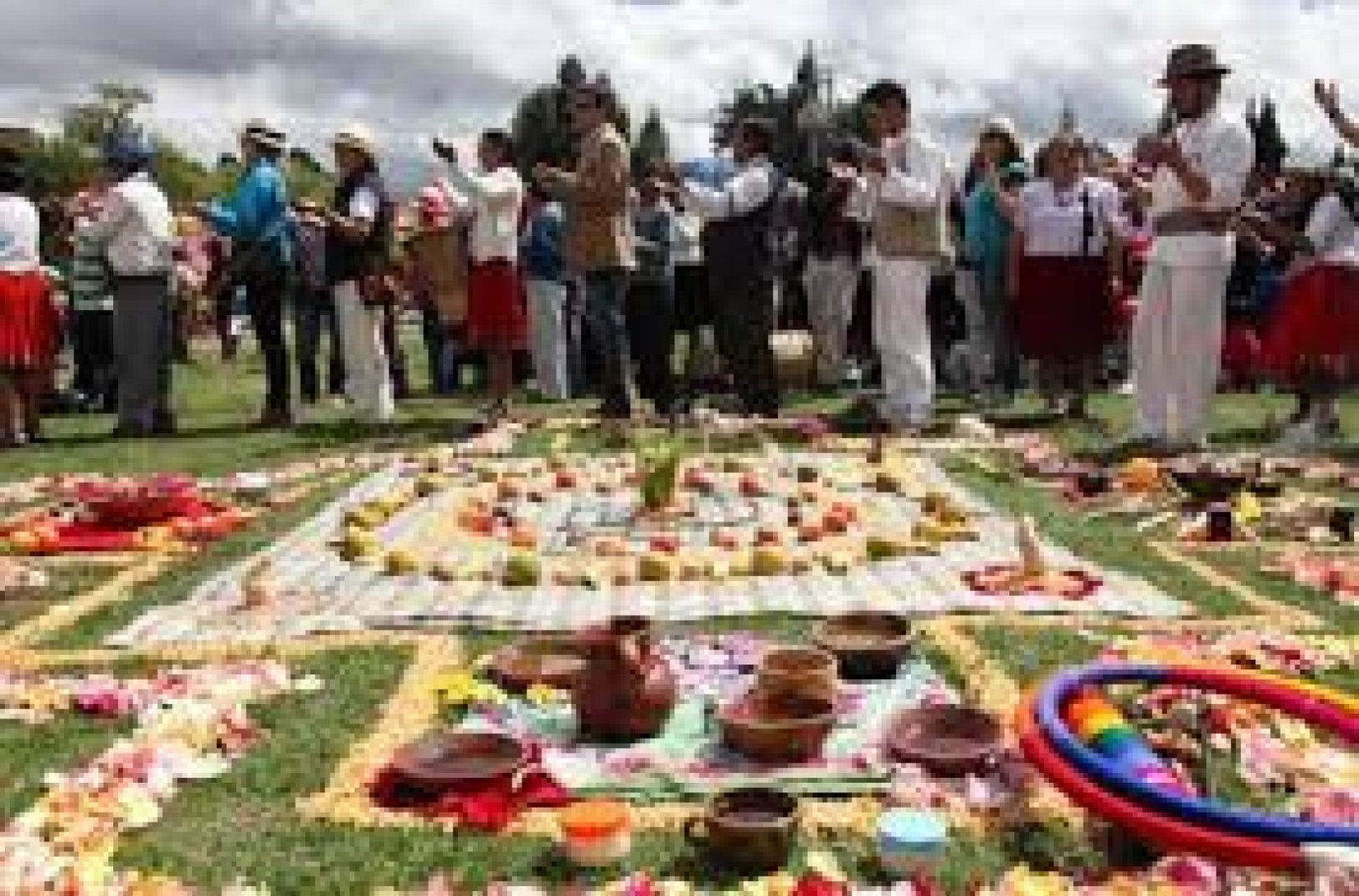
Every year, between June 21st and 24th, various indigenous communities in Ecuador celebrate Inti Raymi, the ancient festival honoring the sun and Pachamama (Mother Earth). This event, rooted in the Inca Empire, is one of the most important Andean celebrations, marking the winter solstice in the Southern Hemisphere, a time for gratitude and spiritual renewal.
History and Meaning
Inti Raymi, which means "Festival of the Sun" in Quechua, was the most important ceremony in the Inca calendar. It symbolized the renewal of the agricultural cycle, gratitude for the harvests, and connection with the Andean gods. Despite Spanish colonization, this tradition has endured and remains a symbol of indigenous identity and cultural resistance.
Where Is It Celebrated?
Inti Raymi is commemorated in several regions of Ecuador, but the most significant celebrations take place in:
- Otavalo (Imbabura): In the community of Peguche, where purification rituals take place at a sacred waterfall, followed by traditional dances.
- Cayambe (Pichincha): Famous for its indigenous ceremonies and energetic dance circles around bonfires.
- Saquisilí and Latacunga (Cotopaxi): Festivities full of music, traditional chicha (fermented corn drink), and gratitude to the earth.
Highlighted Activities
- Purification Rituals: Indigenous communities bathe in sacred waterfalls and rivers to cleanse the body and spirit.
- Traditional Dances: People dance in circles to Andean music, symbolizing their connection with nature.
- Offerings to Pachamama: Food, flowers, and coca leaves are presented as gratitude for the earth’s abundance.
- Traditional Gastronomy: Visitors can enjoy chicha de jora (corn beer), mote pata (hominy and pork stew), and hornado (roast pork).