
 Español

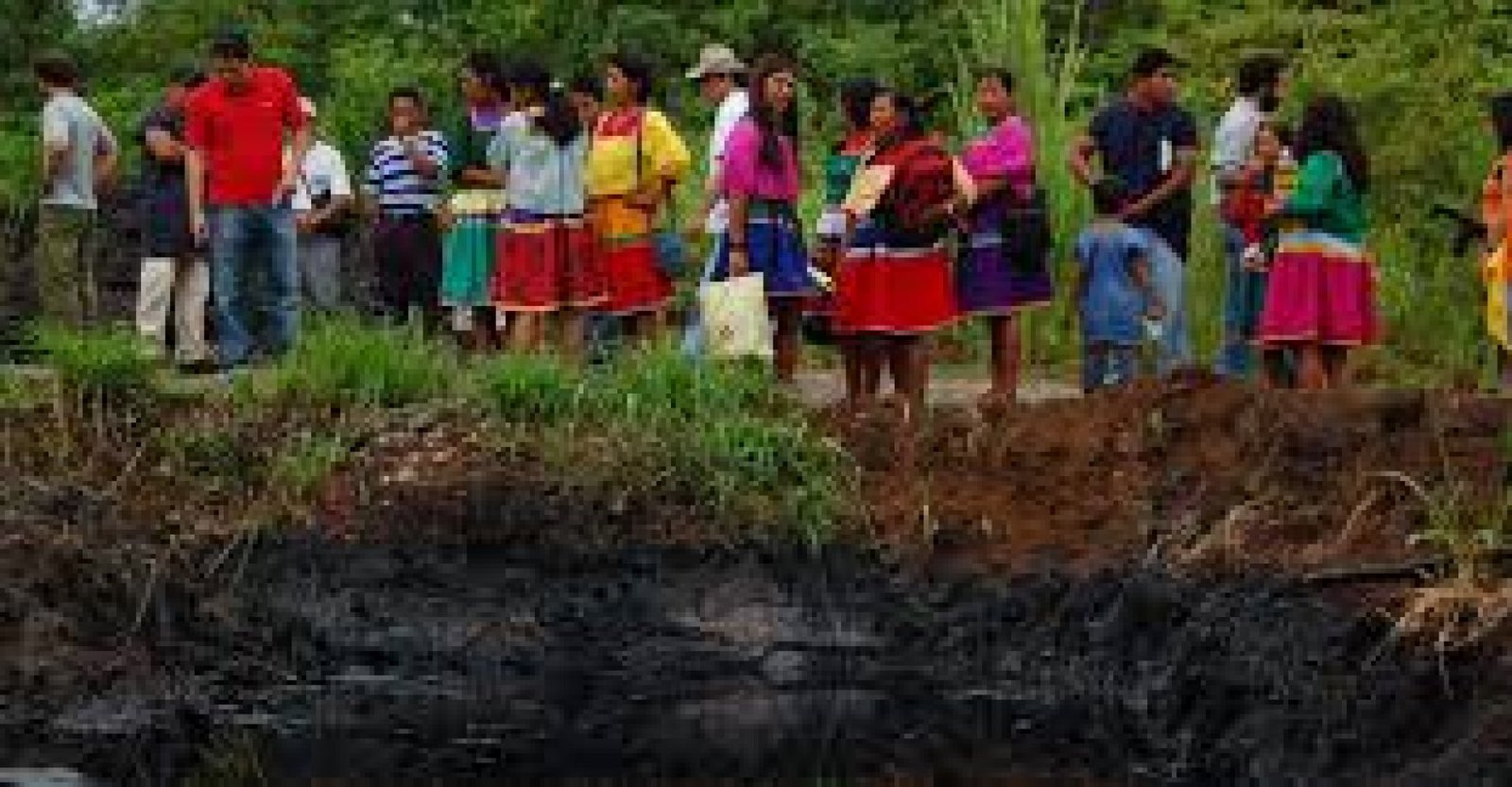
The Ecuadorian Highlands are not only known for their mountains and dramatic volcanoes, but also for the strong cultural identity of their Indigenous peoples. In cities and rural communities, ancestral traditions remain alive through clothing, language, gastronomy, and traditional celebrations.
In provinces such as Chimborazo, Imbabura, and Cotopaxi, many communities continue to speak Kichwa as their native language and practice ancestral knowledge related to agriculture, natural medicine, and community organization.
One of the most representative symbols of this legacy is the artisan market of Otavalo, internationally recognized for its textiles, ponchos, and handmade products. There, tourism becomes an opportunity for cultural exchange—when practiced with respect and awareness.
Traditional festivals are also a living expression of Andean identity. Celebrations such as Inti Raymi reflect a spiritual connection with the land and the agricultural calendar. These are not performances created for tourists, but rituals that are deeply rooted in community life.
Cultural tourism in the Ecuadorian Highlands should go beyond photography. It involves listening to stories, understanding processes, and valuing artisanal work. When promoted responsibly, tourism not only generates income but also strengthens identity and helps preserve traditions that have endured for centuries.
Exploring the Indigenous legacy of the Highlands means understanding that Ecuador is not only a natural destination, but also a land of memory, resilience, and ancestral wisdom.