
 Español

Ecuador’s Heritage Architecture: From the Andes to the Pacific
Ecuador’s architectural heritage tells a story of centuries marked by resilience, cultural fusion, and artistic expression. Through the historic centers of cities like Quito, Cuenca, and Loja, visitors can witness the intersection of Indigenous, colonial, republican, and modern styles.
Quito: A UNESCO World Heritage Jewel
Quito’s Historic Center, declared a UNESCO World Heritage Site in 1978, holds over 5,000 heritage properties. Churches such as La Compañía de Jesús—with its breathtaking gilded interiors—and cobblestone streets like García Moreno reflect a unique blend of Baroque and Andean influences.
Cuenca: Urban Beauty and Harmony
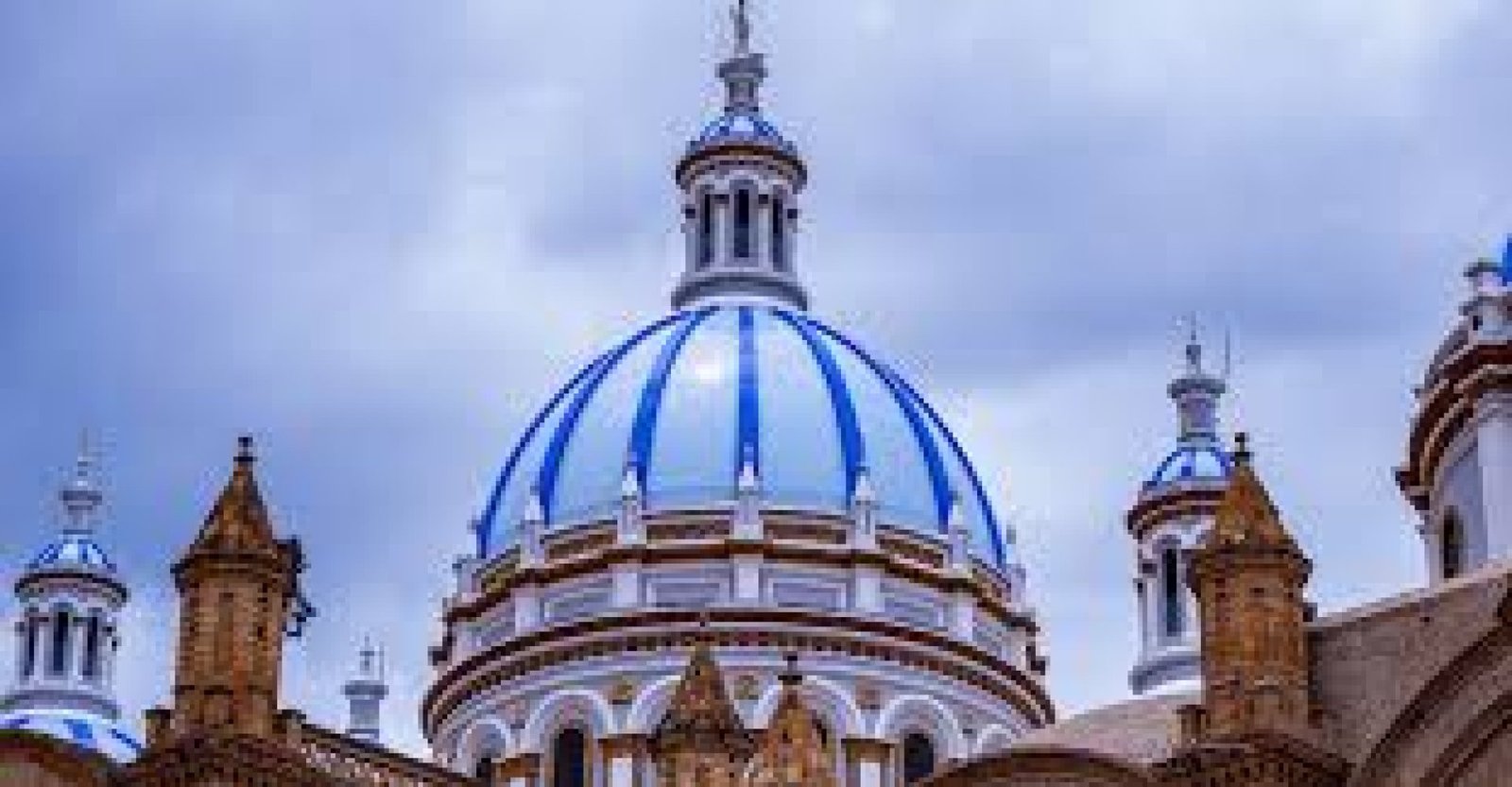
Cuenca’s tidy street grid, colonial cathedrals, and signature blue domes represent 19th-century republican architecture. Traditional houses with iron balconies, red tile roofs, and interior courtyards blend elegance with function and echo a commitment to cultural preservation.
Loja and Lesser-Known Gems
Cities like Loja, Riobamba, and Zaruma feature wooden homes, adobe churches, and structures that have survived earthquakes and urban change. These buildings are not just visually striking—they embody the collective memory and identity of their communities.
Preservation as Living History
To preserve these architectural treasures is to protect Ecuador’s cultural DNA. Today, many of these spaces serve as museums, cultural centers, libraries, and cafés—where heritage is not static but alive, evolving, and accessible to all.