
 Español

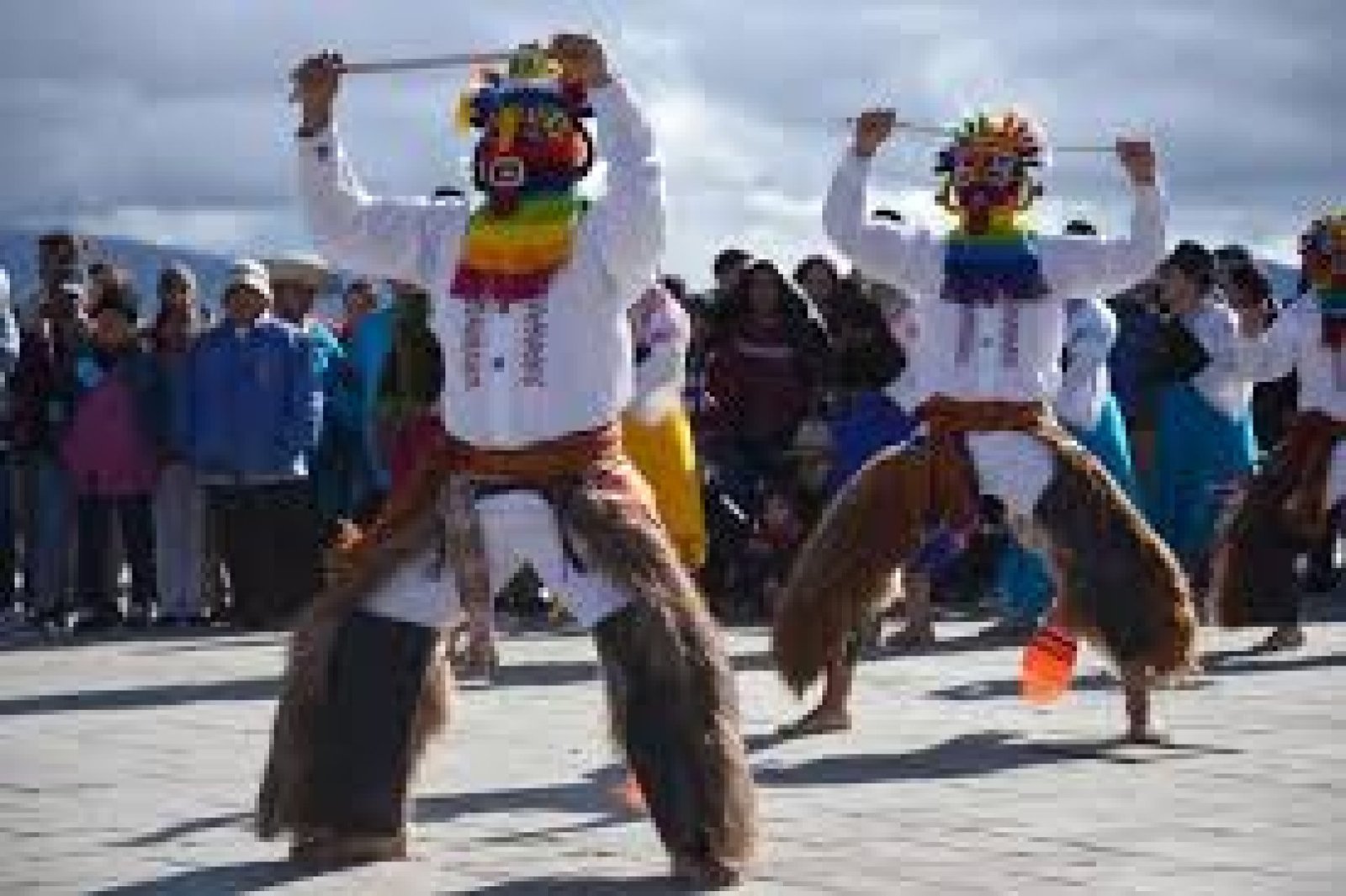
Each year, during the months of March and April, the communities of the Central Highlands of Ecuador celebrate the Harvest Festival, an event that honors Andean agriculture and the connection of the people to the land. This event is especially important in the provinces of Cotopaxi, Tungurahua, and Chimborazo, where communities celebrate the end of the harvest and give thanks to Pachamama (Mother Earth) for the fruits they have received.
History and Meaning
The Harvest Festival has deep roots in the indigenous traditions of the Andean region. For centuries, the people of the Central Highlands have relied on agriculture for their livelihood, growing products such as potatoes, corn, barley, and fruits. The festival is a way to acknowledge the agricultural cycle and give thanks for the abundance of the land.
Highlighted Activities
- Harvest Parade: A procession where community members parade with their agricultural products, dressed in traditional clothing while dancing to indigenous music.
- Gratitude Ceremonies: Rituals honoring Pachamama, where participants offer flowers, fruits, and harvest products.
- Andean Music and Dances: Attendees enjoy traditional dances like the zamacueca and other popular dances, accompanied by music from instruments such as the pan flute and charango.
- Andean Gastronomy: Visitors can savor typical dishes such as potato locro, mote with chicharrón, and yuca bread.
When and Where Is It Celebrated?
The Harvest Festival takes place primarily in rural communities of the Central Highlands of Ecuador, with particular emphasis on the provinces of Cotopaxi, Chimborazo, and Tungurahua. In these regions, the festival is held in different rural communities, each with its unique cultural and gastronomic offerings.