
 Español

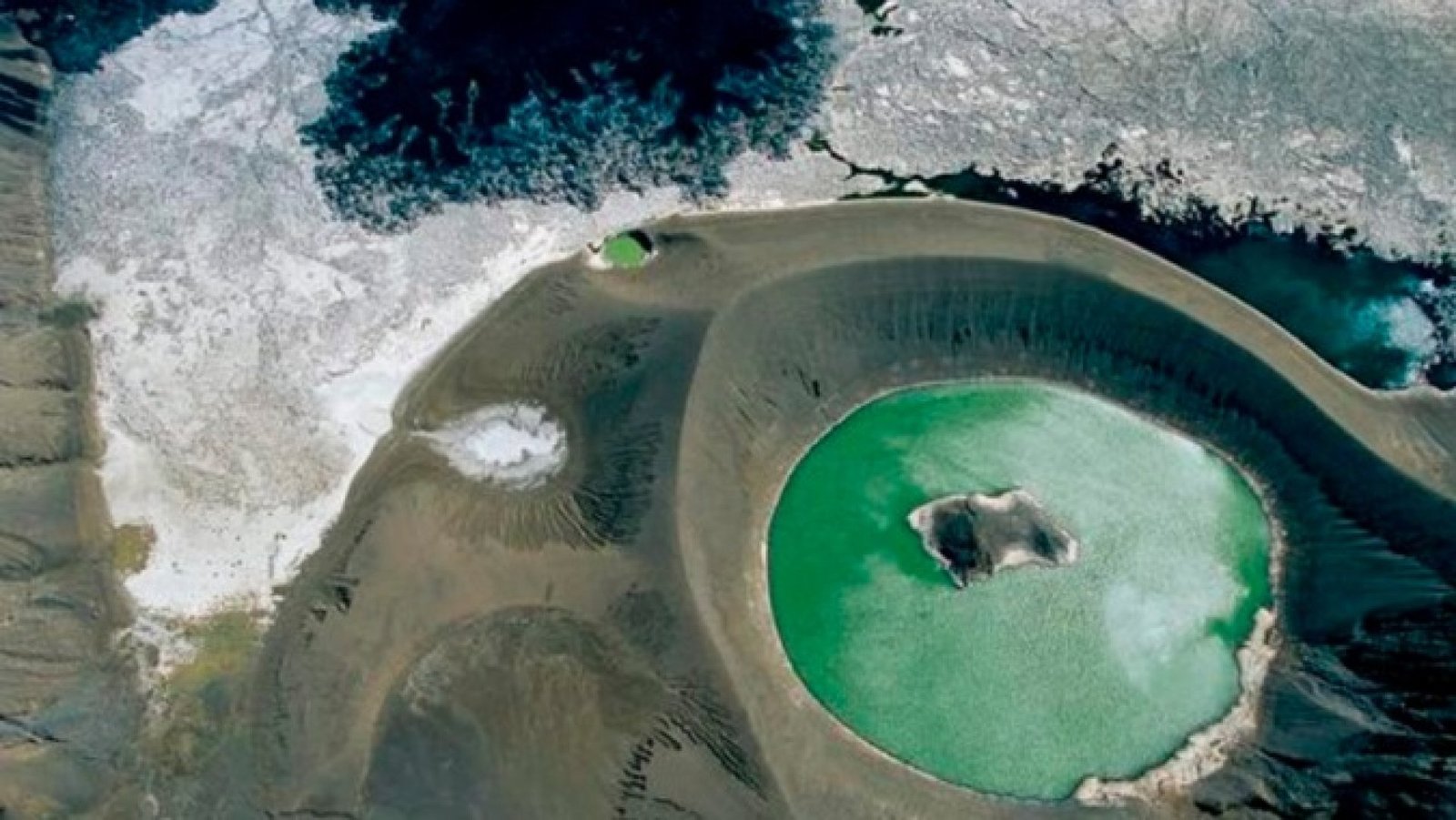
Galápagos Volcanic Landscapes: Exploring the Fire and Ice of the Islands
The Galápagos Islands are a living volcanic laboratory where fire and earth meet the ocean. These islands emerged from underwater eruptions, creating stunning natural formations that continue to evolve today.
Must-visit volcanic sites
-
Sierra Negra (Isabela Island): One of the largest volcanic craters in the world, offering incredible hiking with panoramic views.
-
Volcán Chico (Isabela Island): A surreal lunar landscape of jagged lava flows and colorful mineral deposits.
-
Bartolomé Island: Famous for its Pinnacle Rock and volcanic formations with breathtaking views.
-
El Junco Crater Lake (San Cristóbal Island): A rare freshwater lake in a volcanic crater.
-
Fernandina Island: The youngest and most active volcano in the archipelago, with fresh lava flows and endemic wildlife.
Why volcanic landscapes matter
These geological features create unique habitats for endemic species like marine iguanas, lava lizards, and giant tortoises. The volcanic soil also supports lush highland forests and wetlands that contrast with the harsh lava fields.
Perfect for:
-
Geology enthusiasts
-
Hikers and nature photographers
-
Eco-tourists seeking diverse landscapes
-
Adventurers wanting off-the-beaten-path exploration
Tips for visiting
-
Wear sturdy hiking boots and bring sun protection.
-
Carry plenty of water and snacks for longer hikes.
-
Go with a certified guide to learn about geology and wildlife.
-
Respect fragile environments — stay on marked trails.
Exploring the volcanic landscapes of Galápagos is a journey through time and nature, where every step tells a story of earth’s fiery beginnings.