
 Español

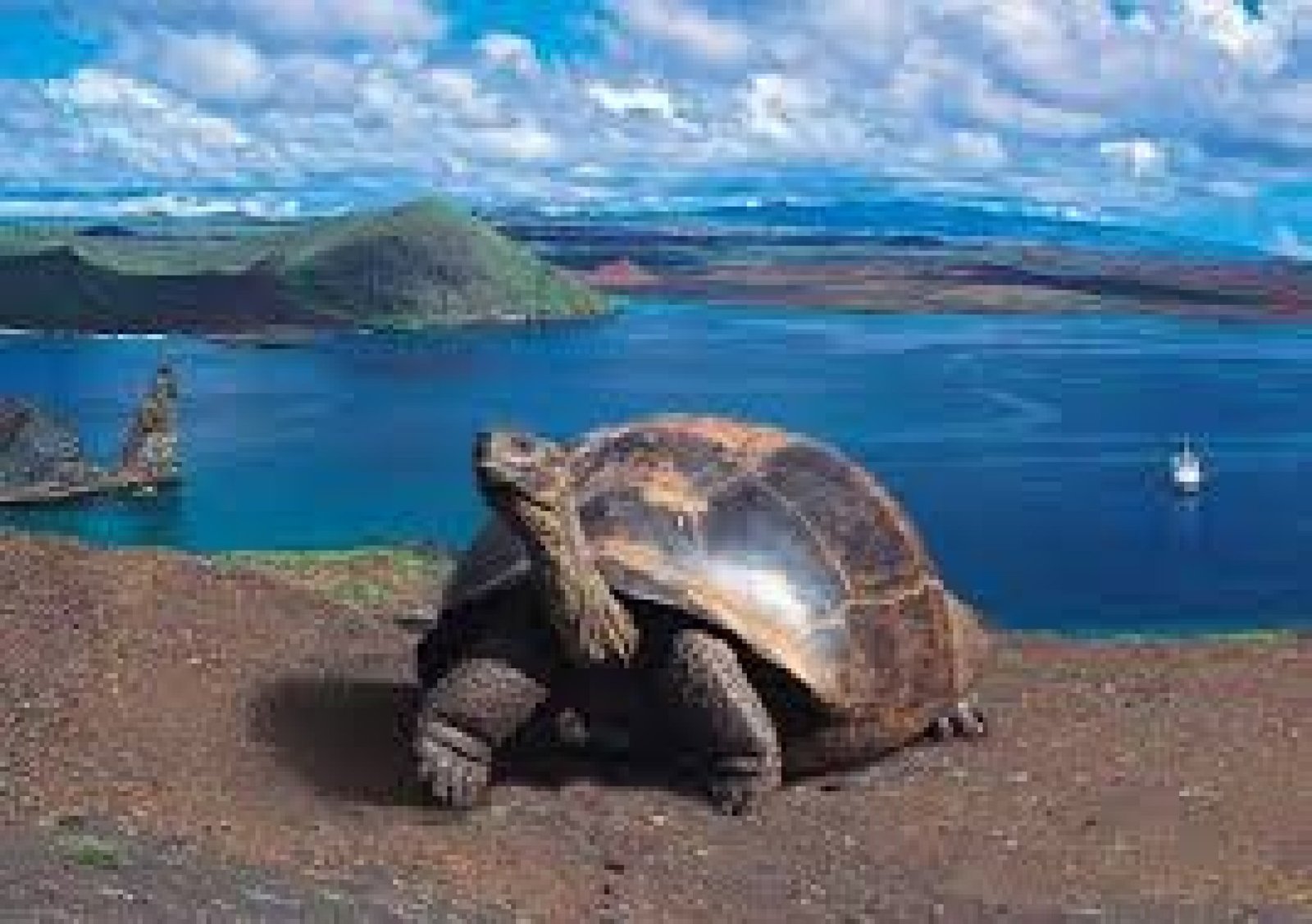
Galápagos Islands: History, Discovery, and Global Importance
The Galápagos Islands, located 1,000 kilometers off the coast of Ecuador, are one of the most important and unique archipelagos in the world, both in terms of biodiversity and scientific history. These volcanic islands, known for their unique wildlife and their impact on the theory of evolution, have a rich history that spans from their discovery to their role as a natural laboratory for Charles Darwin’s studies.
Discovery of the Galápagos Islands
The Galápagos Islands were officially discovered by the Viceroy of Peru, Don Antonio de Mendoza, in 1535. The first documented expedition to the islands was made by the Frenchman Tomás de Berlanga, who, while sailing toward Peru, stumbled upon the archipelago by accident. The name “Galápagos” comes from the giant tortoises that inhabit the islands, which were called "galápagos" (tortoises in old Spanish). Since their discovery, the islands were viewed with curiosity but didn’t receive much attention initially.
Colonization and Expansion
The colonization of the islands began slowly. In the 17th century, pirates and buccaneers frequented the archipelago, using its waters as refuge and replenishment points. It wasn’t until the early 19th century that settlers, primarily from Ecuador and nearby countries, began to establish themselves on the islands. However, due to their remote location and inhospitable climate, the population didn’t grow significantly until the 20th century.
During the 19th century, the islands became a stopover for explorers and naturalists, including the renowned Charles Darwin. Darwin’s theory of evolution was largely inspired by his observations of endemic species on the Galápagos, such as the famous finches. The islands played a key role in the development of the theory of natural selection.
The Importance of the Galápagos Islands
The Galápagos Islands are not only a paradise for biologists but also considered a natural laboratory. They are home to species found nowhere else on Earth, such as the giant tortoises, marine iguanas, blue-footed boobies, and an impressive variety of seabirds. This unique biodiversity has made them a crucial site for scientific research.
In 1978, the Galápagos Archipelago was declared a UNESCO World Heritage Site due to its exceptional ecological value. Today, the islands are one of the most protected destinations in the world, and tourism is carefully regulated to minimize negative impacts on their fragile ecosystem. The Galápagos Marine Reserve was established to protect the marine life surrounding the islands, which is also rich in biodiversity.
Tips for Visiting the Galápagos Islands
-
Take a guided tour to learn about the endemic flora and fauna and contribute to sustainable tourism.
-
Follow conservation rules and do not interact with the animals.
-
If visiting Española or Genovesa islands, make sure to wear appropriate hiking gear.