
 Español

Ecotourism in the Galápagos: How to Travel Responsibly in the Enchanted Islands
The Galápagos Islands are among the most fragile and unique ecosystems on Earth. As a visitor, your choices matter. Practicing ecotourism means exploring with awareness — protecting nature while enriching your journey.
What is ecotourism?
Ecotourism is a way of traveling that minimizes environmental impact, benefits local communities, and supports conservation. In Galápagos, where biodiversity is unmatched, responsible tourism is essential for preserving its wonders.
Tips for being a responsible traveler in Galápagos
-
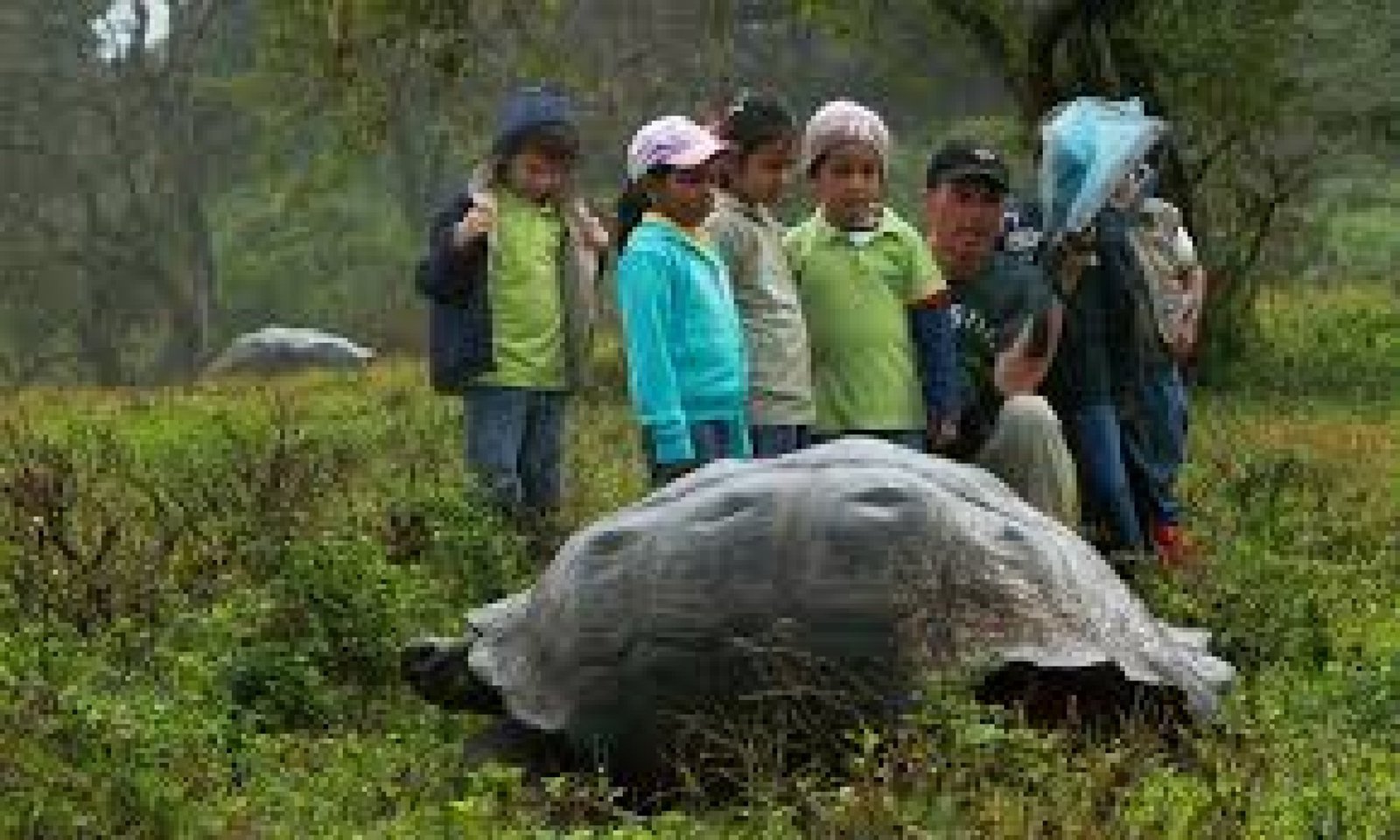
Respect wildlife: Never touch, chase, or feed animals. Always keep a safe and respectful distance.
-
Stay on marked trails: Avoid damaging sensitive habitats and nesting zones.
-
Use eco-friendly products: Bring biodegradable sunscreen, soap, and bug repellent.
-
Support local economy: Choose local guides, stay in family-run lodges, and shop at community markets.
-
Reduce your footprint: Avoid single-use plastics, bring a reusable water bottle, and carry your own bags.
Eco-friendly experiences to try
-
Visit conservation centers like the Charles Darwin Research Station or Giant Tortoise Breeding Center in Isabela.
-
Join beach cleanups or reforestation activities (ask community-based tour operators).
-
Take tours led by certified local naturalist guides with a focus on education.
-
Stay at eco-lodges or sustainable farms that use solar energy and practice recycling.
Why ecotourism matters in Galápagos
-
Helps protect endemic species and fragile ecosystems.
-
Promotes environmental education for travelers and locals.
-
Creates fair, sustainable jobs for island communities.
-
Offers a deeper, more authentic and transformative travel experience.
Visiting the Galápagos with respect and intention is the greatest gift you can offer the islands — and yourself.