
 Español

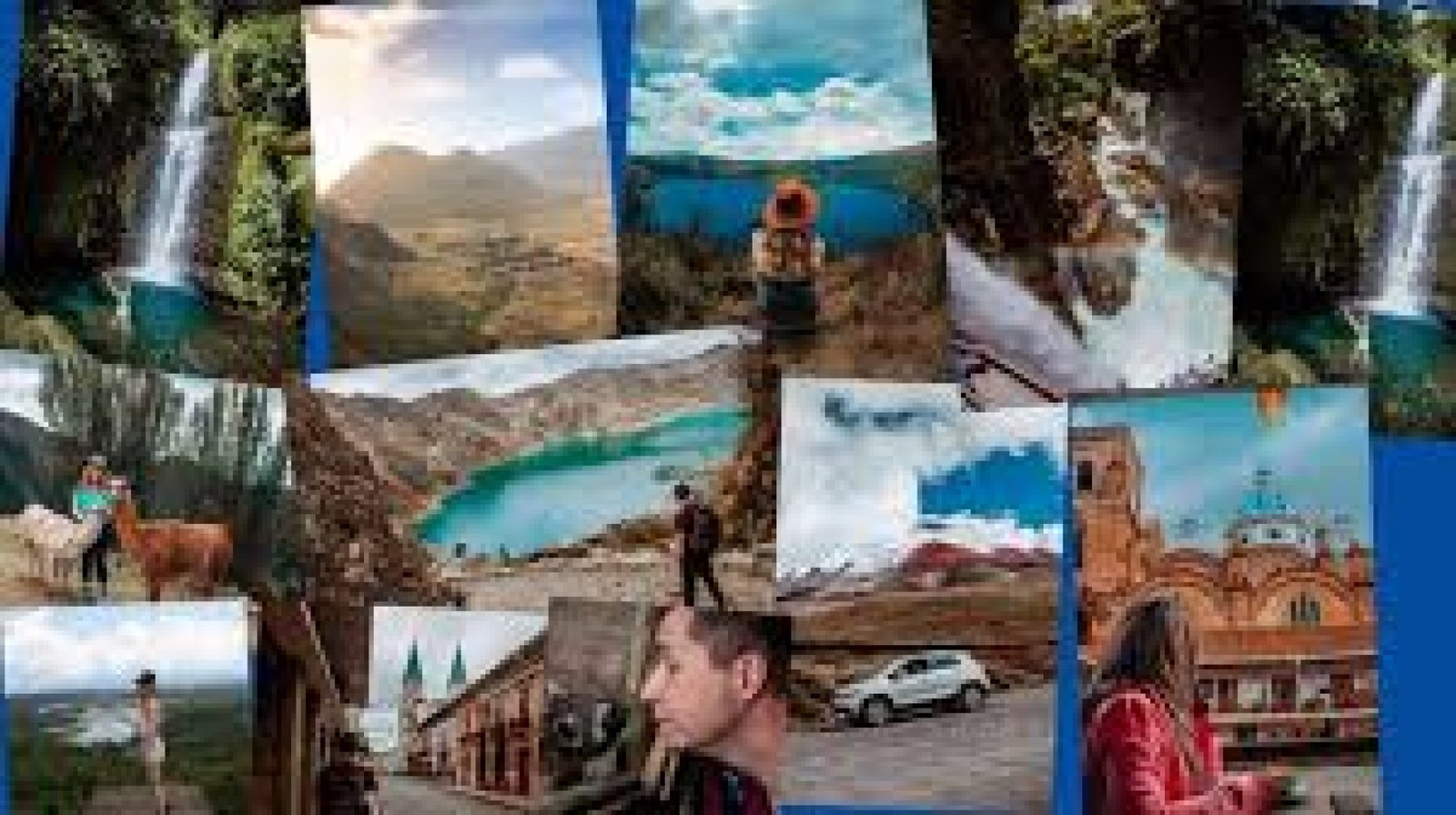
One country, different expectations
Ecuador welcomes travelers with very different interests. Some focus on nature, others on culture, comfort, or a more active experience.
Well-designed tours do not change the destination, but the way it is experienced.
Adjusting the pace of the route
Pace is one of the main adaptation factors.
Depending on the traveler profile, a tour may:
-
Reduce the number of daily stops
-
Allow more free time in key destinations
-
Prioritize locations close to the accommodation
The route remains the same, while time distribution changes.
Flexible activity selection
Within the same tour, activities can vary.
For example:
-
Short walks instead of long hikes
-
Scenic visits instead of extended excursions
-
Cultural experiences over physical activities
This allows different traveler profiles to enjoy the same destinations.
Different levels of guidance
Not all travelers require the same level of support.
Some tours prioritize:
-
Continuous guide accompaniment
-
In-depth explanations
-
Full logistical assistance
Others offer more autonomy while keeping the structure organized.
Adapting the type of accommodation
Accommodation choices also shape the experience.
A tour can be adapted by using:
-
Centrally located hotels
-
Nature lodges
-
Higher-comfort properties
All without modifying the route or destinations.
Private versus shared formats
Adaptation also depends on the tour format.
Private tours allow:
-
Daily adjustments
-
Flexible schedules
-
Personalized decisions
Shared tours focus on balanced experiences suitable for the group.
Recommendation from Turismo Ecuador 24
Adapting a tour is not about improvising, but about understanding the traveler and adjusting details while preserving the integrity of the Ecuador travel route.
A route that adapts to the traveler
When a tour is well structured, it can meet the needs of different travelers without losing quality or continuity, making the journey through Ecuador feel natural and well planned.