
 Español

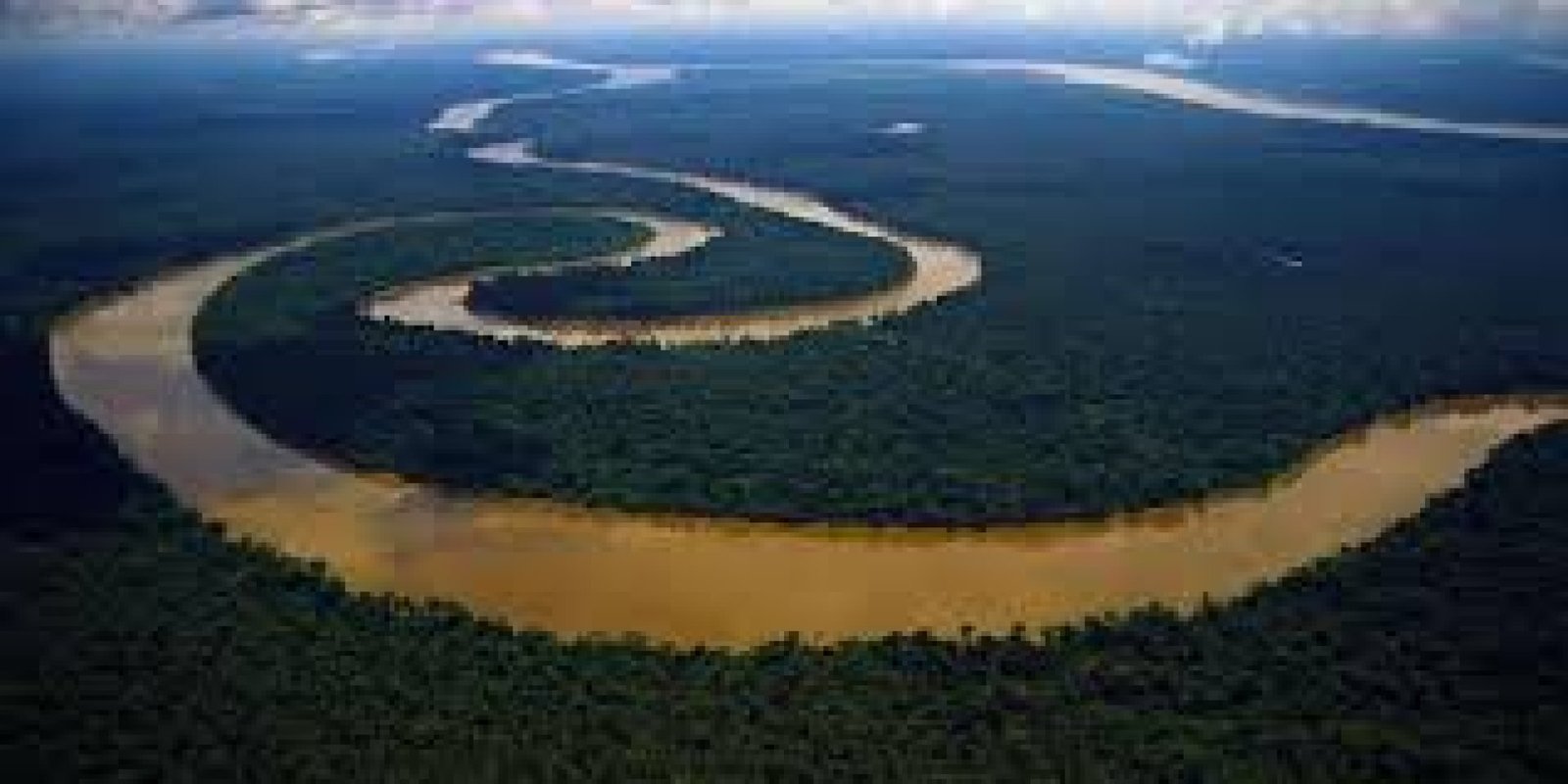
Cuyabeno vs Yasuní: Which Amazon Jungle Should You Choose for Your Adventure?
Ecuador’s Amazon region offers two outstanding natural destinations: Yasuní National Park and the Cuyabeno Wildlife Reserve. Both protect highly biodiverse tropical forests, but each offers unique experiences that can shape your adventure.
This article helps you decide which jungle suits your interests and travel style best, comparing biodiversity, accessibility, types of tours, and cultural interactions with indigenous communities.
Biodiversity and Ecosystems
-
Yasuní: Considered one of the most biodiverse areas on the planet, with over 600 bird species, 200 mammal species, and an enormous variety of plants. The landscape includes primary forests and powerful rivers.
-
Cuyabeno: Also rich in species, it stands out for its lagoons, channels, and flooded forests. It’s ideal for spotting aquatic wildlife like pink river dolphins, caimans, and turtles.
Accessibility and Tour Types
-
Yasuní: Requires flights from Quito to Coca, followed by river or road transfers. Tours tend to be more exclusive and less crowded, focusing on ecotourism and cultural experiences with Kichwa communities.
-
Cuyabeno: More accessible by road from Lago Agrio. Tours range from short 3-day trips to longer adventures. Perfect for those seeking a direct experience in lagoons and waterways.
Cultural Experiences
-
Yasuní: Tours include visits to Kichwa and Waorani communities, with opportunities to learn about their traditions, rituals, and ancestral knowledge.
-
Cuyabeno: Also offers cultural interaction mainly with Siona and Secoya communities, featuring community-based tourism activities.
Which One to Choose?
-
If you seek extreme biodiversity, exclusivity, and deep contact with indigenous cultures, Yasuní is your best choice.
-
If you prefer accessibility, a variety of aquatic activities, and a dynamic Amazon experience, Cuyabeno will delight you.
Recommendation:
Consult certified tour operators to select the best option based on season, interests, and budget.