
 Español

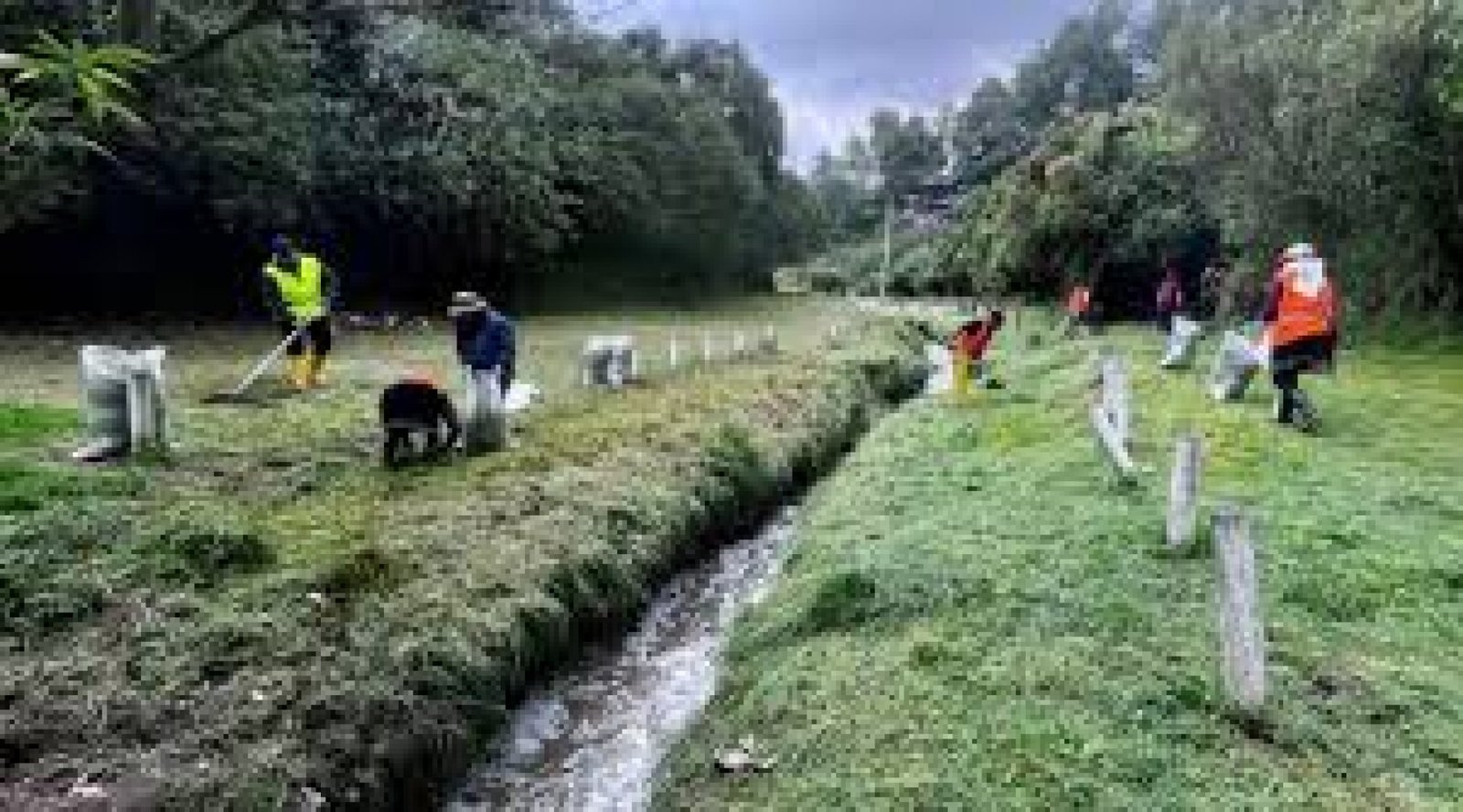
When water is shared and cared for collectively
In many rural communities of southern Ecuador, access to water does not rely on modern infrastructure but on community irrigation channels—open canals that guide water from rivers, springs, or highland sources to fields, homes, and communal spaces. In provinces such as Azuay, these systems remain essential to daily life.
These channels do more than carry water; they organize time, labor, and coexistence.
Simple engineering, deep knowledge
At first glance, an irrigation channel may look like a simple ditch made of earth or stone. In reality, its layout reflects a deep understanding of terrain, slope, water flow, and seasonal cycles. Gravity moves the water naturally, without pumps or external energy.
Every diversion, gate, and branch is carefully designed to distribute water fairly.
Community organization around water
Maintenance of the channels is a collective responsibility. Communities organize mingas—communal workdays during which channels are cleaned, reinforced, and repaired after heavy rains or landslides.
Water use is governed by community agreements that define irrigation schedules, turns, and responsibilities respected by all.
Agriculture and food security
Thanks to these irrigation channels, small plots remain productive throughout the year. Family gardens, cornfields, vegetables, and fruit trees are irrigated, supporting local food systems.
This approach allows for small-scale agriculture adapted to the environment and less dependent on external technologies.
Learning through practice
Knowledge of water management is not taught through manuals. It is learned by observing elders, participating in communal work, and understanding how water flow changes with the seasons.
Each generation inherits not only the physical channel but also the values and rules that ensure its care.
A living and functional heritage
Although modern irrigation systems exist, many communities continue to rely on traditional channels because they work, are affordable, and strengthen social cohesion. Far from being obsolete, they represent a sustainable, place-based solution.
They demonstrate how traditional infrastructure remains relevant today.
An Ecuador that flows quietly
Community irrigation channels reveal an Ecuador rarely highlighted in tourism narratives—one where water is managed through cooperation, shared responsibility, and respect for nature.
Understanding these systems means recognizing that true heritage often flows quietly through open channels, sustaining rural life day after day.