
 Español

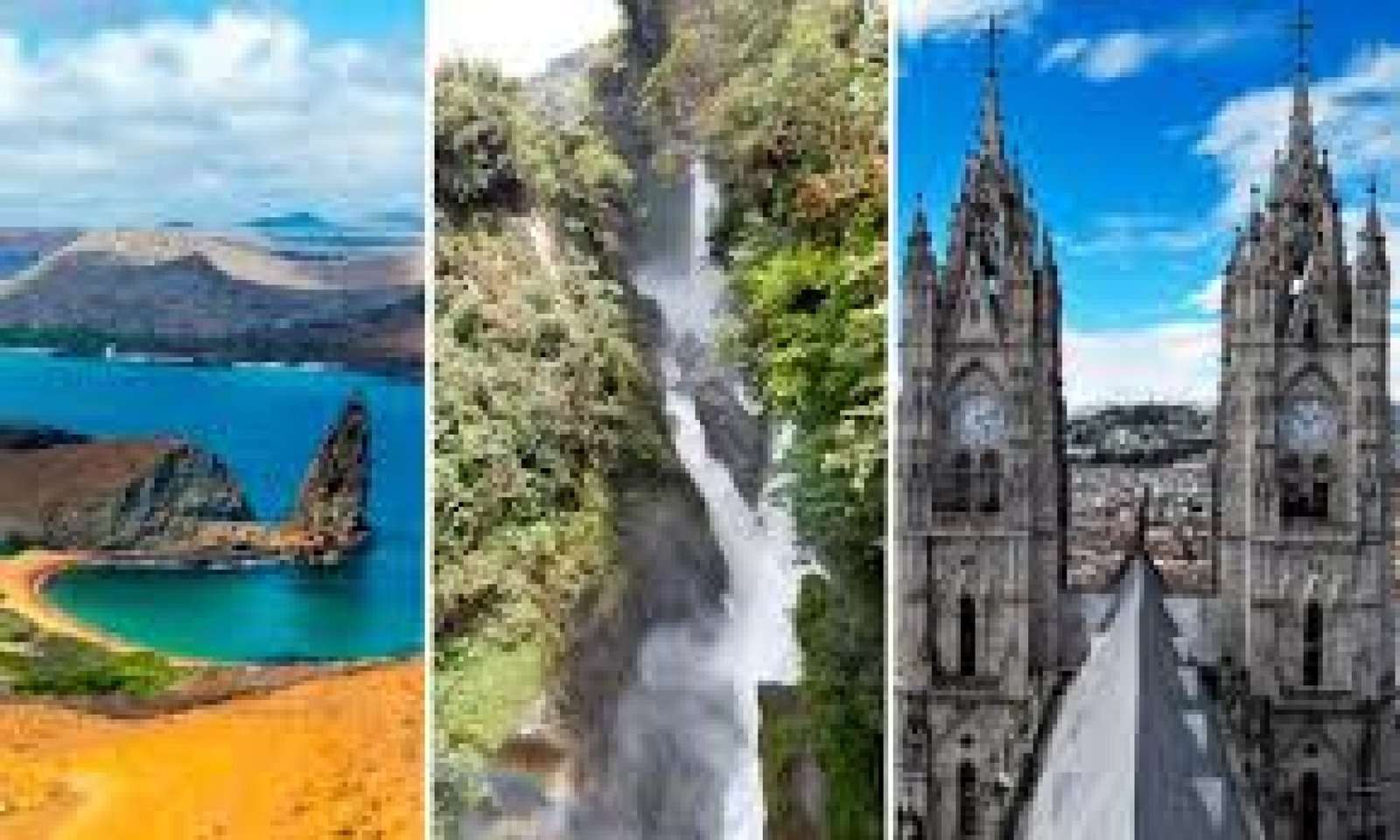
Cities as starting points and connectors
In organized travel routes across Ecuador, cities play a key role. They are not just stopovers, but strategic points to begin, end, or connect different sections of the journey.
Cities such as Quito or Cuenca provide cultural context before entering natural environments.
Natural transitions between environments
Ecuador allows travelers to move from urban areas to natural landscapes within just a few hours.
Along the route:
-
Cities connect to valleys
-
Valleys transition into volcanic areas
-
Volcanic zones lead to rainforest or green landscapes
These transitions make the journey feel continuous rather than fragmented.
Nature integrated, not isolated
Nature is not visited as a separate block.
In organized routes, it is integrated through:
-
Intermediate stops
-
Short walks
-
Viewpoints and reserves located close to the route
This avoids long detours and keeps the journey coherent.
A balanced rhythm between culture and landscape
Combining cities and nature allows travelers to alternate between:
-
Guided urban visits
-
Scenic drives
-
Open spaces for relaxation
The journey never feels rushed or monotonous.
Strategic use of overland transportation
Organized routes take advantage of scenic roads that directly connect cities with natural areas.
Transportation becomes part of the visual experience.
Thoughtful selection of stops
Stops are not chosen randomly.
They are selected based on:
-
Strategic location
-
Scenic value
-
Logical connection to the following day
This approach allows cities and nature to blend smoothly within the route.
Recommendation from Turismo Ecuador 24
Combining cities and nature in an organized route allows Ecuador to be experienced in a balanced way, without forcing long transfers or breaking the flow of the journey.
A route that feels complete
By integrating cities and nature in a single journey, travel routes in Ecuador feel cohesive, diverse, and geographically meaningful.