
 Español

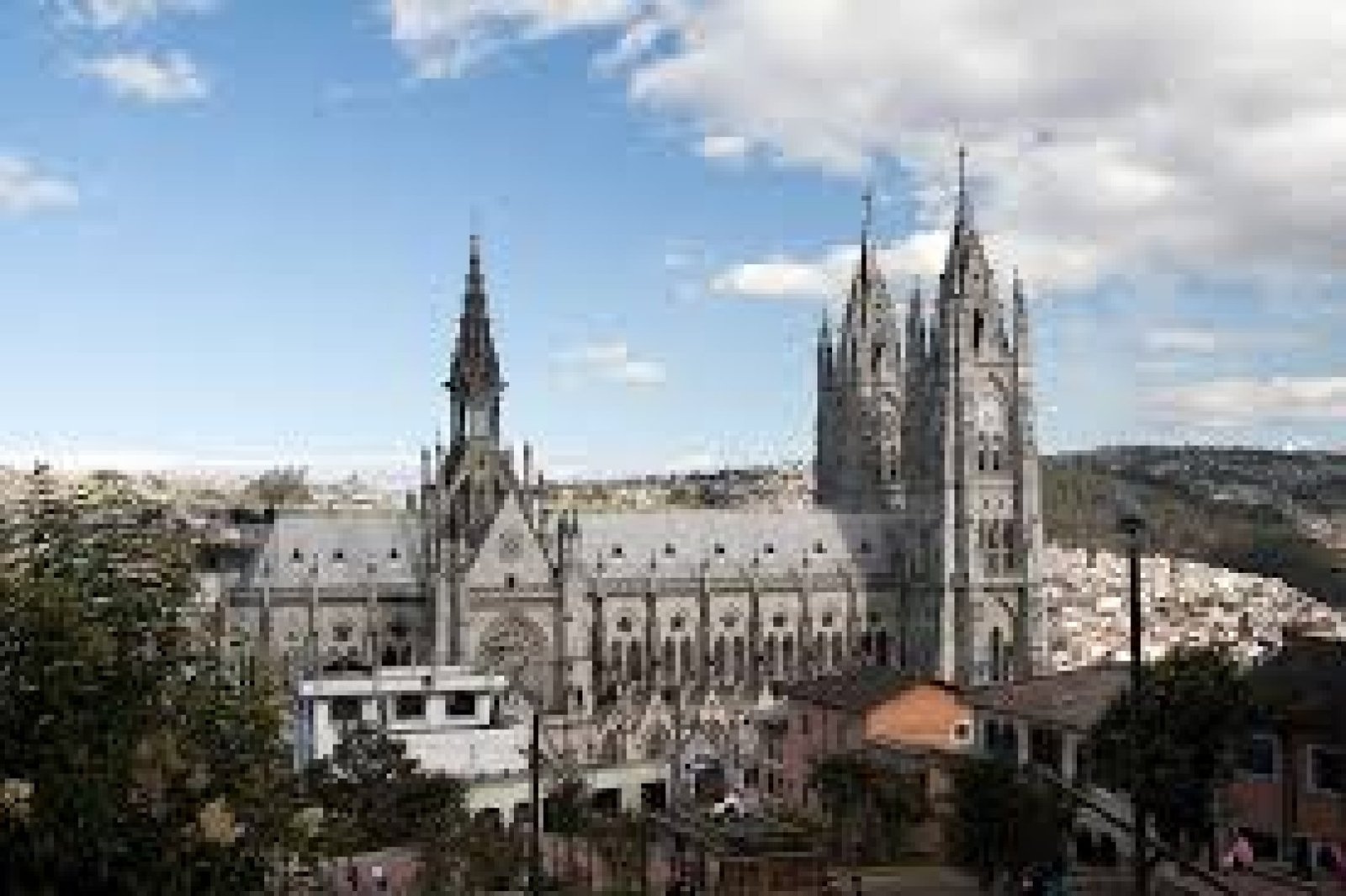
The Church Route in Quito: A Journey Through the Colonial Past
Quito, the capital of Ecuador, is renowned for its well-preserved historic center, declared a UNESCO World Heritage Site in 1978. One of the most fascinating routes in this city is the Church Route, an itinerary that takes you to explore some of the most iconic churches of the colonial era, rich in history, art, and priceless architecture.
Iconic Churches to Visit
-
The Church of San Francisco: This church is one of the oldest and largest in Latin America. Its construction began in 1534, shortly after the founding of Quito. The church is known for its stunning façade, its main altar, and its cloister, which houses a rich collection of colonial art.
-
The Church of La Compañía de Jesús: Considered one of the most impressive churches in Quito, La Compañía de Jesús stands out for its opulent Baroque architecture and ornate interiors. Its golden façade is one of the most beautiful in the city.
-
The Metropolitan Cathedral of Quito: Located in Independence Square, the heart of Quito’s historic center, this church began construction in the 16th century and was inaugurated in 1806. Inside, it houses an impressive collection of religious art and offers a panoramic view of the city.
-
The Church of Santo Domingo: Founded in 1581, this church is known for its impressive main altar and beautiful cloister, which contains a series of frescoes by the Quito painter Guillermo Ruiz.
-
The Church of San Agustín: Located in one of Quito’s main squares, this church stands out for its Baroque architecture and its carved wooden altar, one of the most beautiful in the city.
-
The Church and Monastery of San Diego: Built in the early 17th century, this church is famous for its simple yet impressive architecture, as well as its beautiful cloister and its historical connection with the Franciscan order.
The History Behind the Churches
Each church in the Church Route in Quito has a fascinating story tied to the evangelization and colonization process that took place during the colonial period. Quito was an important religious center at the time, and many of these churches were built over indigenous temples or on sites of great cultural and religious significance. Through them, one can learn about the art, music, and customs of the colonial era.
Activities Along the Church Route
-
Guided Tours: It is possible to take guided tours through the churches of Quito's historic center, which allows visitors to learn in depth about the history, architecture, and art of these temples. Many of these tours also include visits to other nearby landmarks, such as Independence Square and Itchimbía Park.
-
Mass and Music: For a more immersive experience, some churches, such as the Church of San Francisco and the Church of La Compañía, offer special masses and sacred music concerts that provide a unique experience of Quito’s religious and cultural atmosphere.
-
Art and Culture: Several churches along the route feature colonial-era art, frescoes, sculptures, and altarpieces of great historical value. Visiting these churches is also an opportunity to learn about the history of religious art in Ecuador and the influence of religious orders on the country’s culture.
Best Time to Visit
The best time to explore the Church Route in Quito is during the dry season, from June to September, though Quito’s pleasant climate makes it a year-round destination. However, if you want to avoid large crowds, it is recommended to visit the churches on weekdays or early in the morning.