
 Español

Can I See Whales in Ecuador? The Ultimate Guide to Humpback Whale Watching
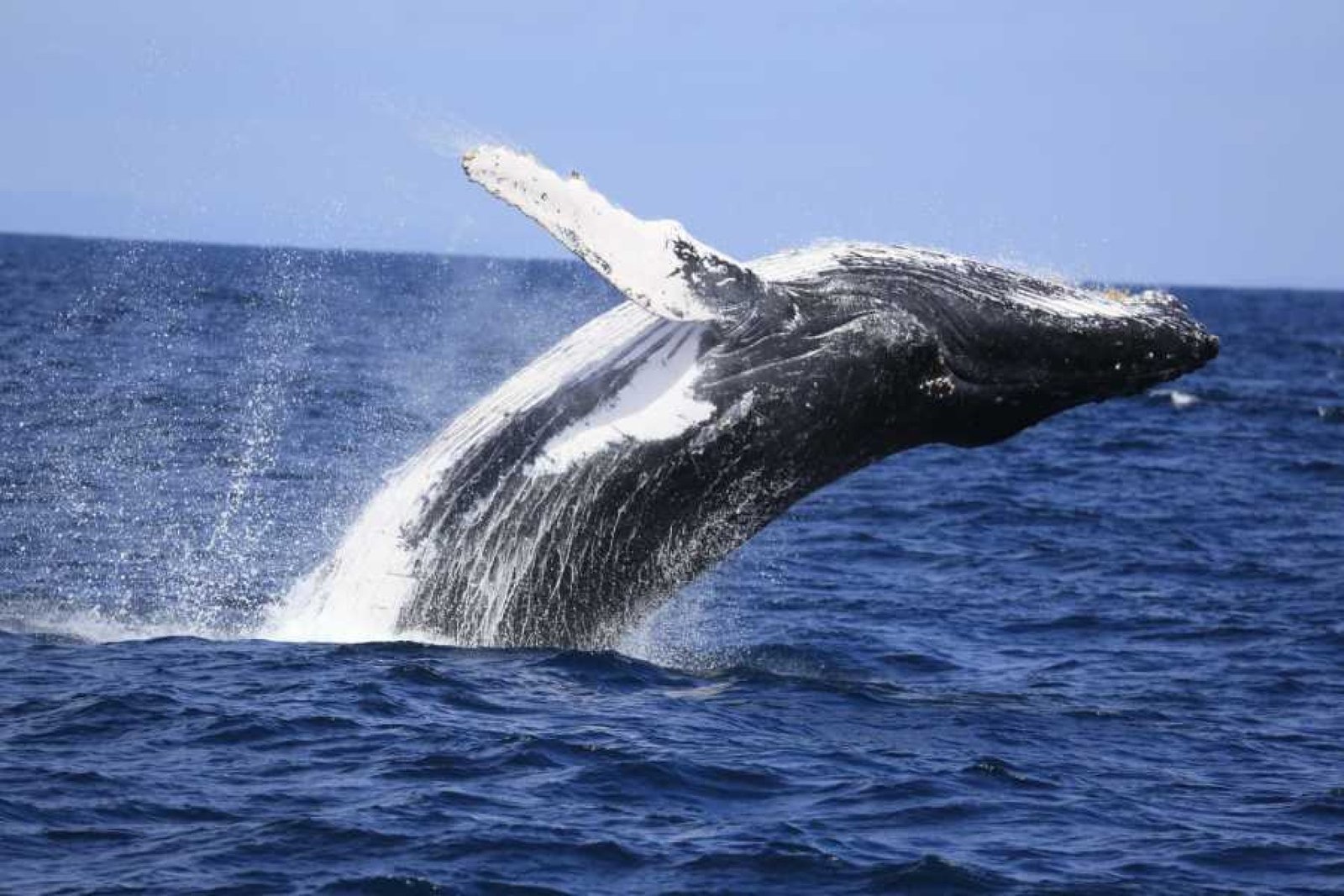
Yes! Ecuador is one of the best places in South America to see humpback whales in the wild. Every year, thousands of these magnificent marine mammals migrate from the cold waters of Antarctica to Ecuador's Pacific coast to mate and give birth.
During whale watching season, visitors can witness spectacular breaches, tail slaps, fin waves, and even mothers swimming alongside their calves.
If you're visiting Ecuador between June and September, whale watching should definitely be on your travel itinerary.
When Is Whale Watching Season in Ecuador?
The official whale watching season typically runs from June through September.
In some years, whales arrive as early as late May and remain until early October, but the best months for sightings are:
- June.
- July.
- August.
- September.
July and August usually offer the highest number of whale sightings.
Best Places to See Whales in Ecuador
1. Puerto López
Puerto López is Ecuador's whale watching capital.
Daily boat tours depart from this charming fishing town to areas where humpback whales gather during their migration.
It is the country's most popular whale watching destination.
2. Isla de la Plata
Located within Machalilla National Park, Isla de la Plata combines whale watching with incredible wildlife viewing.
Besides whales, visitors often see:
- Blue-footed boobies.
- Frigatebirds.
- Sea turtles.
- Dolphins.
It is one of Ecuador's most rewarding nature excursions.
3. Machalilla National Park
The protected waters surrounding the park provide ideal conditions for humpback whales during the breeding season.
Most whale watching tours operate within this marine reserve.
4. Salinas
Salinas also offers seasonal whale watching tours and is a convenient option for travelers visiting Ecuador's Santa Elena Peninsula.
5. Ayangue and Puerto Cayo
These quieter coastal towns provide excellent whale watching opportunities with fewer tourists, offering a more relaxed experience.
Which Whale Species Can You See?
The star attraction is the Humpback Whale (Megaptera novaeangliae).
These giants can grow:
- Up to 16 meters (52 feet) long.
- Weigh more than 30 tons.
They are famous for:
- Spectacular breaches.
- Tail slaps.
- Acrobatic behavior.
- Beautiful breeding songs.
Occasionally, other marine mammals may also be spotted, but humpback whales are by far the main attraction.
Other Marine Wildlife You May See
A whale watching trip often includes sightings of:
- Dolphins.
- Sea turtles.
- Blue-footed boobies.
- Frigatebirds.
- Pelicans.
- Sea lions (in certain areas).
- Flying fish.
Every excursion offers a unique wildlife experience.
Whale Watching Tips
For the best experience, bring:
- Sunscreen.
- Hat.
- Sunglasses.
- Camera or smartphone with zoom.
- Light jacket.
- Drinking water.
- Motion sickness medication if you're sensitive to boat travel.
Always follow your captain's instructions and respect wildlife by keeping noise to a minimum.
Is Whale Watching Safe?
Yes.
Licensed tour operators follow strict safety regulations and environmental guidelines designed to protect both passengers and whales.
Boats maintain safe viewing distances and reduce speed whenever whales are nearby.
Choosing a responsible tour operator helps protect Ecuador's marine ecosystems for future generations.
Why Choose Turismo Ecuador 24?
At Turismo Ecuador 24, we create unforgettable wildlife experiences along Ecuador's Pacific Coast.
Our services include:
- Private and shared whale watching tours.
- Isla de la Plata excursions.
- Transportation from major cities.
- Professional bilingual guides.
- Multi-day Ecuador travel packages.
- Personalized assistance before, during, and after your trip.
We are committed to providing safe, responsible, and memorable travel experiences while helping you discover the incredible marine wildlife of Ecuador.