
 Español

Best Places to Photograph Cotopaxi Volcano
The magnificent Cotopaxi Volcano is one of the most photographed landscapes in South America. Its nearly perfect cone, snow-covered summit, and breathtaking Andean surroundings make it a dream destination for photographers.
Whether you are using a professional camera or a smartphone, Cotopaxi National Park offers endless opportunities to capture stunning images.
This guide covers the best photography locations, ideal times, and expert tips for photographing Ecuador's most iconic volcano.
Why Is Cotopaxi So Photogenic?
Cotopaxi stands out because of:
- Its nearly perfect volcanic shape.
- Snow-covered summit.
- High-altitude lakes.
- Expansive Andean grasslands.
- Wildlife opportunities.
- Constantly changing light conditions.
Every visit offers unique photographic possibilities.
Top Photography Locations
1. Limpiopungo Lagoon
Limpiopungo Lagoon
The most famous photography location in the park.
Best Features
- Volcano reflections.
- Sunrise photography.
- Birdwatching.
- Scenic landscapes.
Best visited early in the morning.
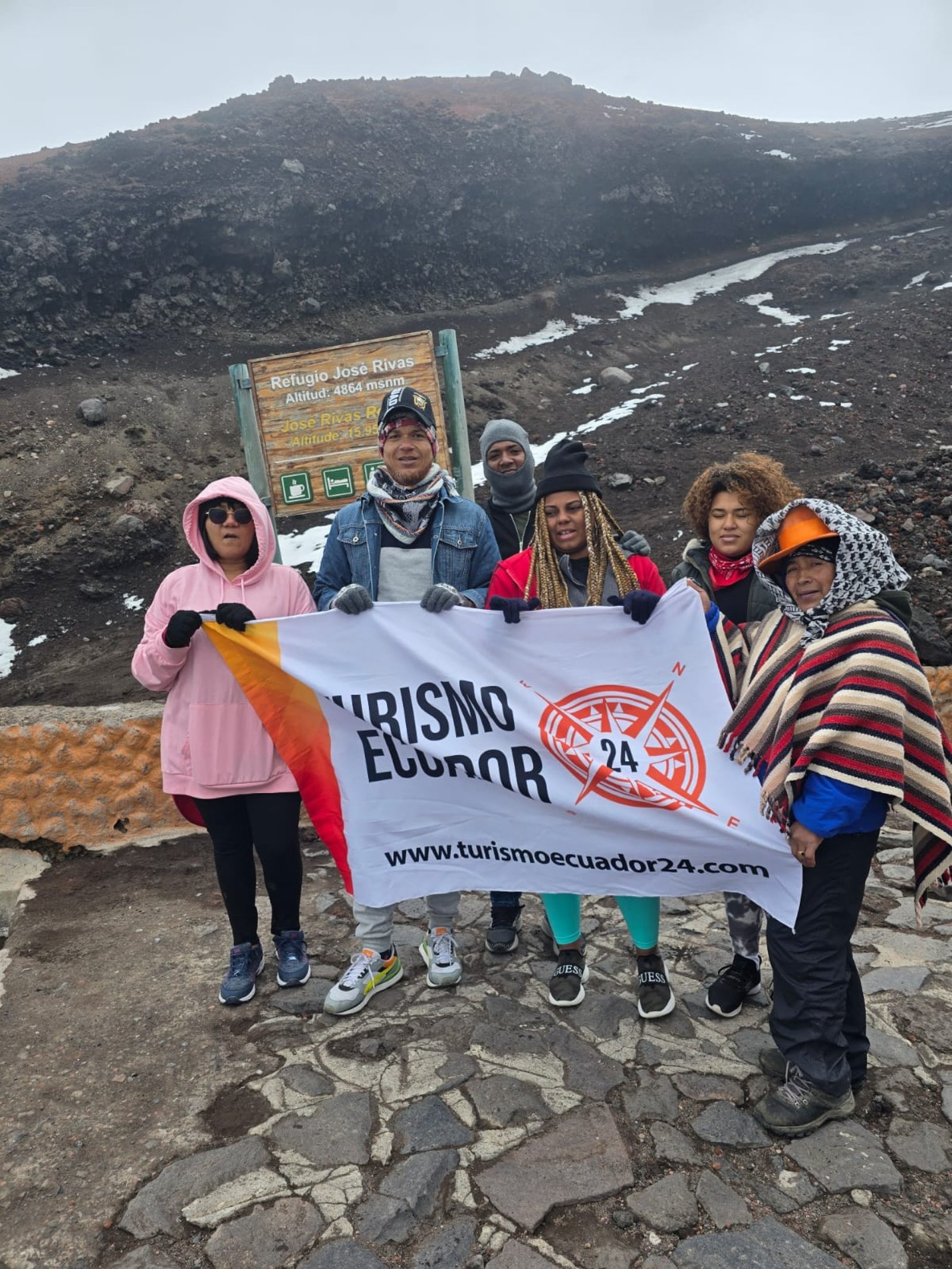
2. José Ribas Refuge
José Ribas Refuge
Offers dramatic mountain photography opportunities.
Highlights
- Volcanic slopes.
- Glacier views.
- Panoramic Andean scenery.
3. Limpiopungo Trail
Perfect for finding unique perspectives of the volcano.
Advantages
- Fewer visitors.
- Different angles.
- Wildlife encounters.
- Open landscapes.
4. Scenic Park Viewpoints
Numerous viewpoints throughout the park provide excellent wide-angle compositions.
Ideal For
- Landscape photography.
- Panoramic shots.
- Capturing the scale of the Andes.
5. Cotopaxi Highlands
The páramo ecosystem creates incredible foreground elements.
Subjects
- Native vegetation.
- Wild horses.
- Open grasslands.
- Rural scenery.
6. Interpretation Center Area
Often overlooked by visitors.
Great For
- Family photos.
- Easy-access viewpoints.
- Wide landscape shots.
7. External Viewpoints
Some of the best photos can be taken outside the park.
Recommended Areas
- Pan-American Highway.
- Rural Machachi.
- El Pedregal.
- Traditional Andean haciendas.
These locations provide beautiful cultural and landscape compositions.
Wildlife Photography
Combining wildlife with Cotopaxi creates powerful images.
Common Subjects
- Wild horses.
- Condors.
- Carunculated caracaras.
- Deer.
Best Time for Photography
Sunrise
The best time for clear skies and soft light.
Benefits
- Fewer clouds.
- Warm colors.
- Fewer visitors.
Sunset
Excellent for dramatic landscapes.
Characteristics
- Golden light.
- Strong contrasts.
- Long shadows.
Best Season for Photography
Dry Season
- June.
- July.
- August.
- September.
Usually provides the clearest visibility.
Rainy Season
- October through May.
Greener landscapes and unique atmospheric conditions.
Recommended Photography Gear
Cameras
- DSLR.
- Mirrorless cameras.
- Modern smartphones.
Accessories
- Tripod.
- Wide-angle lens.
- Extra batteries.
- UV filters.
Cold temperatures may reduce battery life.
Photography Tips
Arrive Early
Morning conditions are often best.
Check the Weather
Mountain weather changes quickly.
Protect Your Equipment
Wind and volcanic dust can affect cameras.
Explore Different Angles
Move beyond the most popular viewpoints.
Why Visit Cotopaxi for Photography?
Cotopaxi is one of Ecuador's top photography destinations and one of the world's most photogenic volcanoes.
The combination of mountains, lakes, wildlife, and Andean scenery provides endless opportunities for extraordinary images.
Why Book with Turismo Ecuador 24?
With Turismo Ecuador 24, you'll enjoy:
- Customized photography tours.
- Comfortable transportation.
- Local expert guides.
- Stops at the best viewpoints.
- Private photography itineraries.
Conclusion
The best places to photograph Cotopaxi include Limpiopungo Lagoon, José Ribas Refuge, scenic viewpoints, and the surrounding Andean landscapes. With proper planning and favorable weather conditions, you'll capture some of the most memorable photographs of your trip to Ecuador.