
 Español

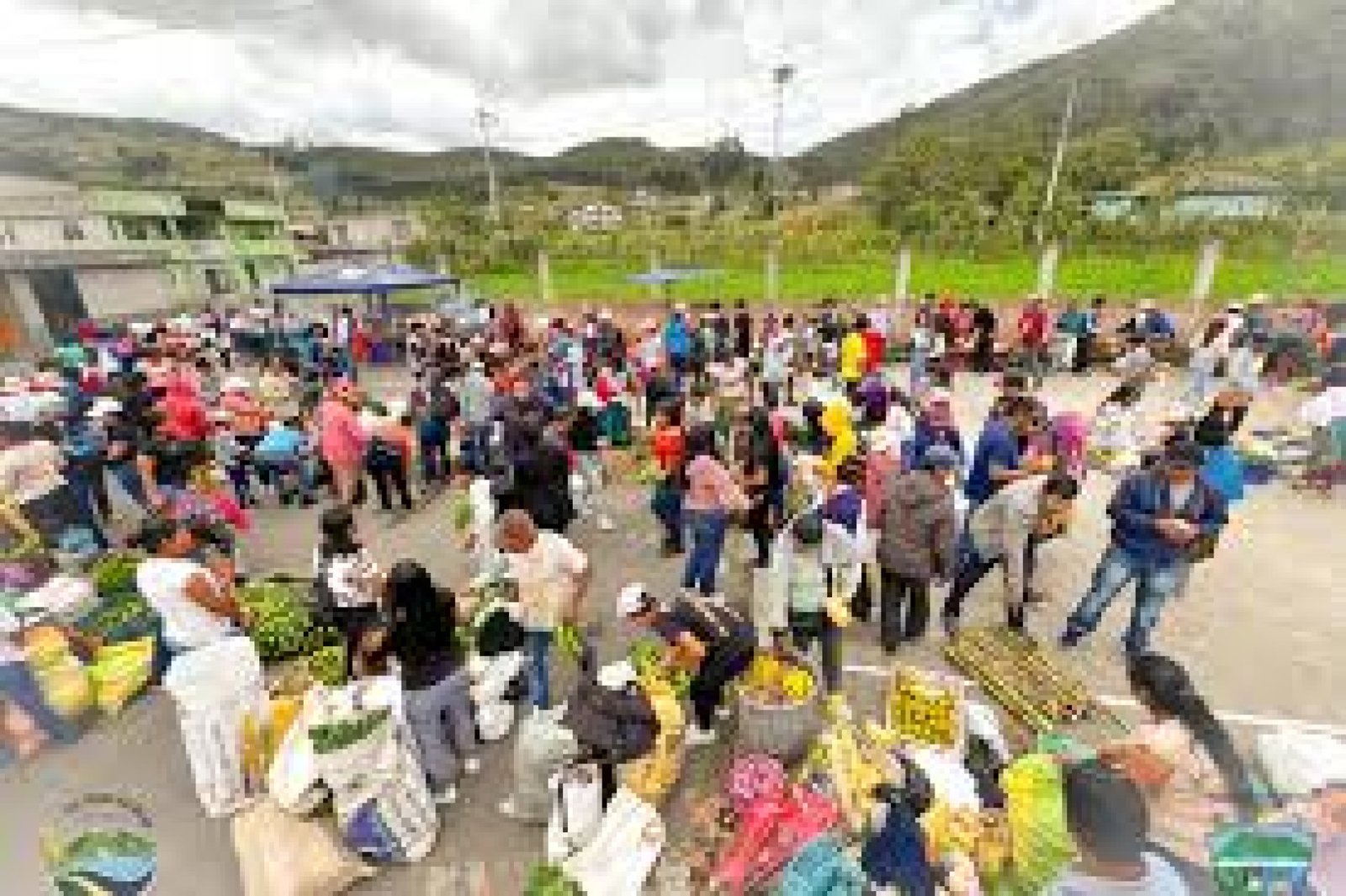
The Otavalo Barter Market: A Living Ancestral Economy in the Andes
Nestled in the northern highlands of Ecuador, the town of Otavalo is famous not only for its vibrant artisan market but also for preserving an ancient economic practice: barter. This form of exchange without money remains one of the most authentic expressions of communal and reciprocal trade.
What Is Barter?
Barter is the direct exchange of goods without using money. In Otavalo, it is especially practiced during traditional festivals like Inti Raymi.
When Does It Happen?
-
The most important barter day is the Tuesday before Inti Raymi (in June), though it also takes place during other indigenous celebrations.
-
Kichwa communities from various provinces gather to participate.
Goods Typically Exchanged
-
Andean crops like potatoes, corn, oca, and quinoa.
-
Handwoven clothing, animals, and handmade tools.
Cultural and Social Importance
-
Reinforces reciprocity and balance among communities.
-
Honors agricultural and artisanal work.
-
Acts as a form of cultural resistance in the face of modern economic systems.
A Tradition that Inspires
To witness or participate in Otavalo’s barter market is to experience a piece of living heritage where community, solidarity, and respect for the Earth endure.