
 Español

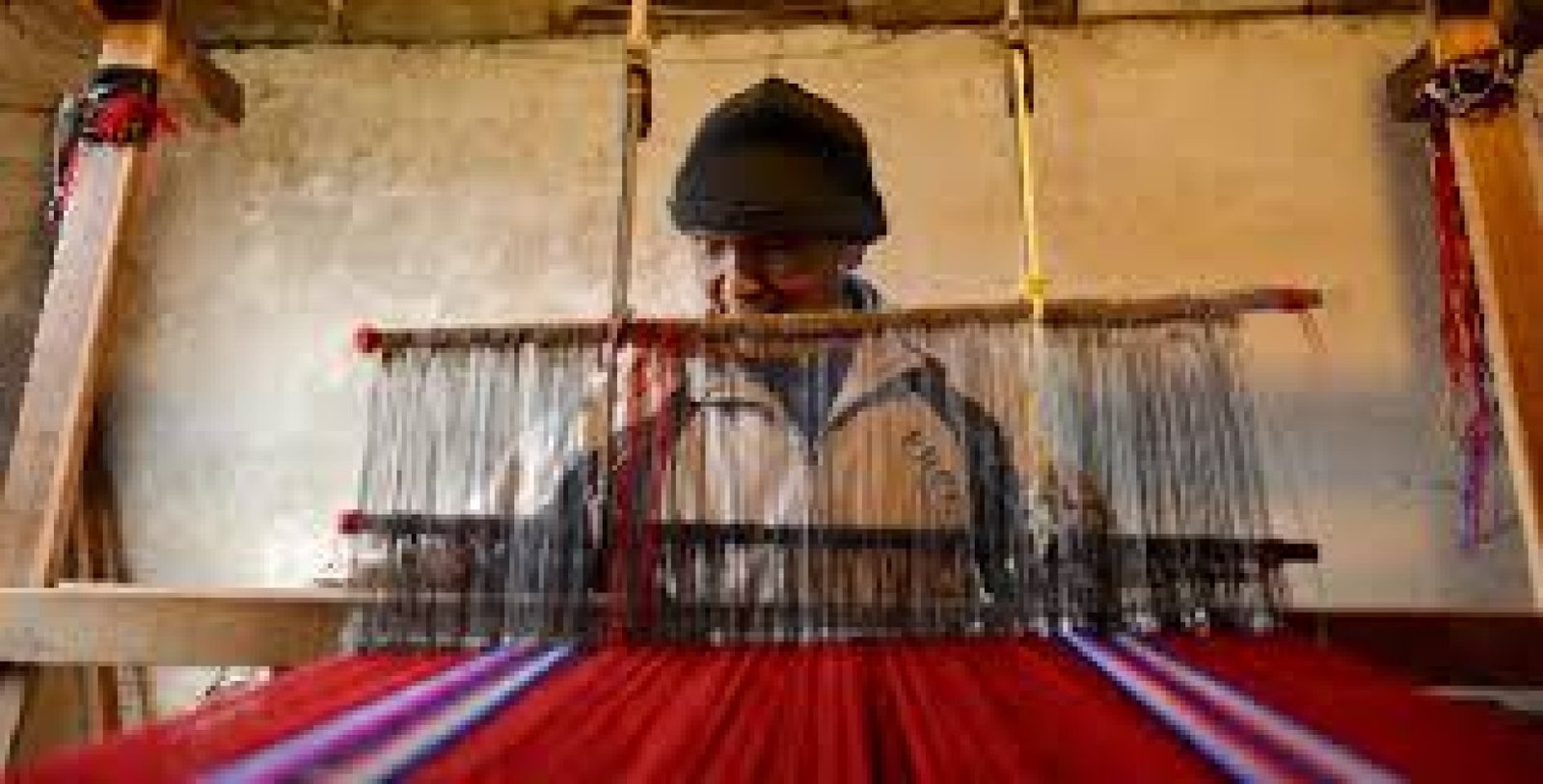
Weaving Identity: The Living Art of Ancestral Textiles in Otavalo
In the heart of Ecuador’s northern Andes lies Otavalo, a town famous for its colorful textile market. But behind the stalls and bright ponchos is a rich, living tradition of weaving—a practice that threads together memory, identity, and resistance in the Kichwa worldview.
Threading Time and Memory
For Otavalo’s artisans, the loom is more than a tool—it’s a bridge between generations. Geometric patterns and symbolic motifs—mountains, birds, rivers—carry deep meanings tied to the land and spirituality. Weaving is not just craft; it is storytelling with wool.
From Llama Wool to Natural Dyes
Traditionally, Kichwa weavers used llama and sheep wool, hand-spun and dyed with plants like walnut husk, achiote, or cochineal. Today, some communities are reviving these organic methods to create eco-friendly, sustainable textiles while preserving ancestral knowledge.
Beyond the Market
While Otavalo’s market is world-renowned, few travelers explore nearby villages like Peguche, Ilumán, or Agato, where family-run workshops reveal the full process—from carding wool to weaving a poncho. Many families now offer cultural tourism experiences that blend hands-on learning with deep cultural immersion.
Resistance in Every Stitch
For the Kichwa people, weaving has long been a way to resist cultural erasure. Wearing a traditional anaco or faja is more than tradition—it’s an act of defiance and pride. Teaching textile art to younger generations ensures that the identity woven into fabric remains strong.
Tourism that Threads Respect
Cultural tourism focused on weaving offers visitors a chance to support living heritage directly. When approached respectfully, it strengthens local economies and honors the hands, stories, and spirits behind each handcrafted piece.