
 Español

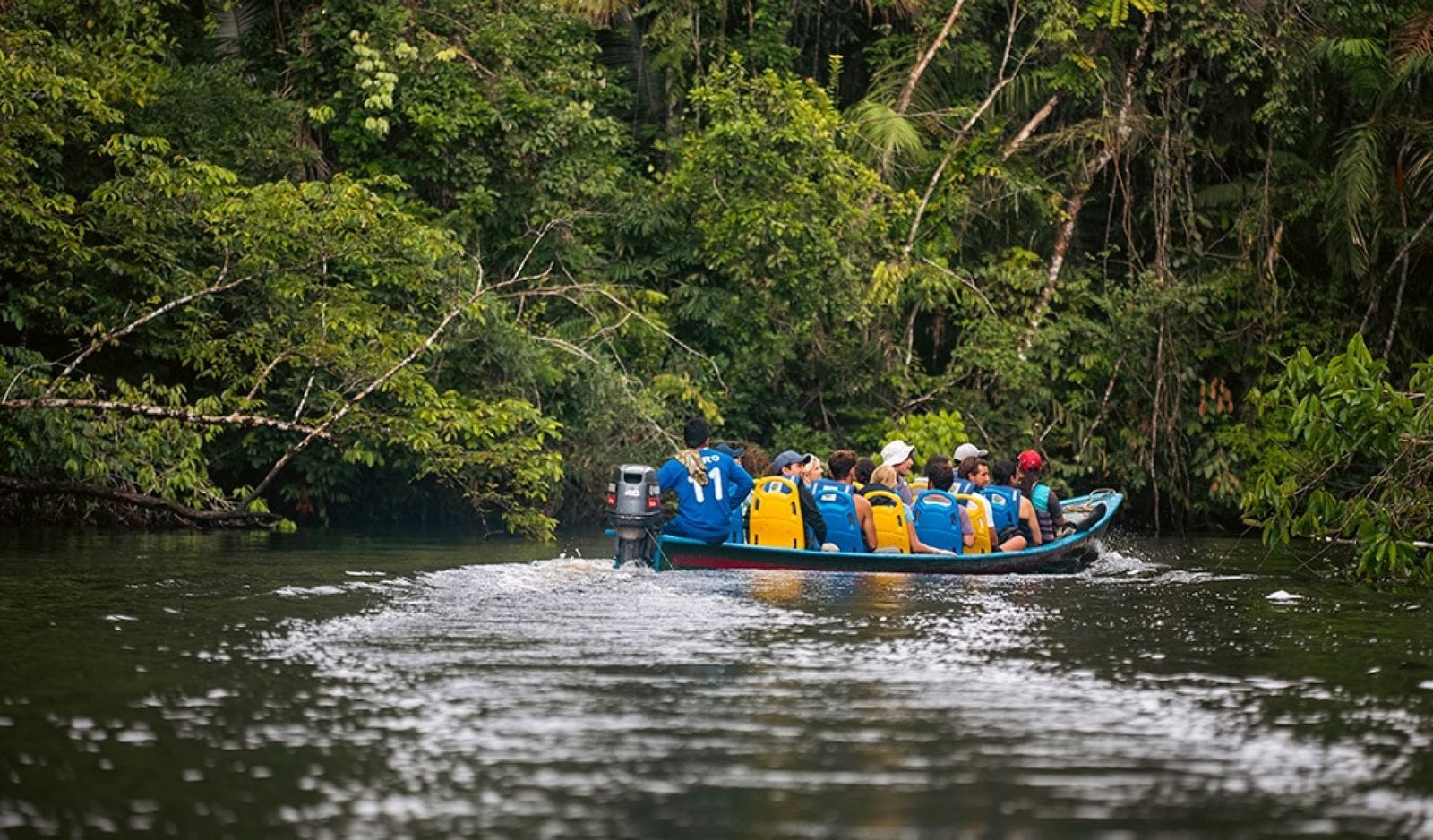
Where the Rivers Remember: The Oral Geography of the Amazon's Ancestral Canoe Routes
In the Ecuadorian Amazon, rivers are the roads, and canoes are the keepers of time. Among the Achuar, Kichwa, and Secoya peoples, ancestral navigation is not learned through GPS or maps—it is taught through stories, songs, and lived experience. These oral geographies form a living map where each curve, tree, and tributary holds meaning.
The River as Archive
Indigenous elders recall journeys with absolute precision: “Turn where the turtle-shaped rock sings,” or “paddle two sun shadows past the tree of blue bark.” These references are ecological, spiritual, and poetic, encoding knowledge about safe fishing grounds, sacred sites, or areas to avoid during certain moon phases.
Songs as Navigation Tools
Chants sung while paddling often serve dual purposes—spiritual protection and practical guidance. They speak of ancestors who became river spirits, of jaguars who guard crossings, or of healing plants that grow only at river bends known to the initiated.
A Canoe Is a Cradle of Memory
Canoes are traditionally carved from ceibo or chuncho trees, chosen through rituals. Some families believe their canoe has a spirit and name it. Children are taught to listen to the water's current and the forest's whispers, gradually becoming stewards of an invisible yet vivid map.
Traveling with Meaning
Community-led tours in regions like Pastaza or Cuyabeno now offer experiences where visitors paddle with Indigenous guides, learn river songs, and understand the landscape through the lens of oral memory. It’s not just eco-tourism—it’s memory tourism.
When the River Speaks, You Don’t Just Listen—You Belong
These ancestral canoe routes remind us that land and water are storied. To travel them is to enter a dialogue, where every paddle stroke is a verse and every eddy a chapter.