
 Español

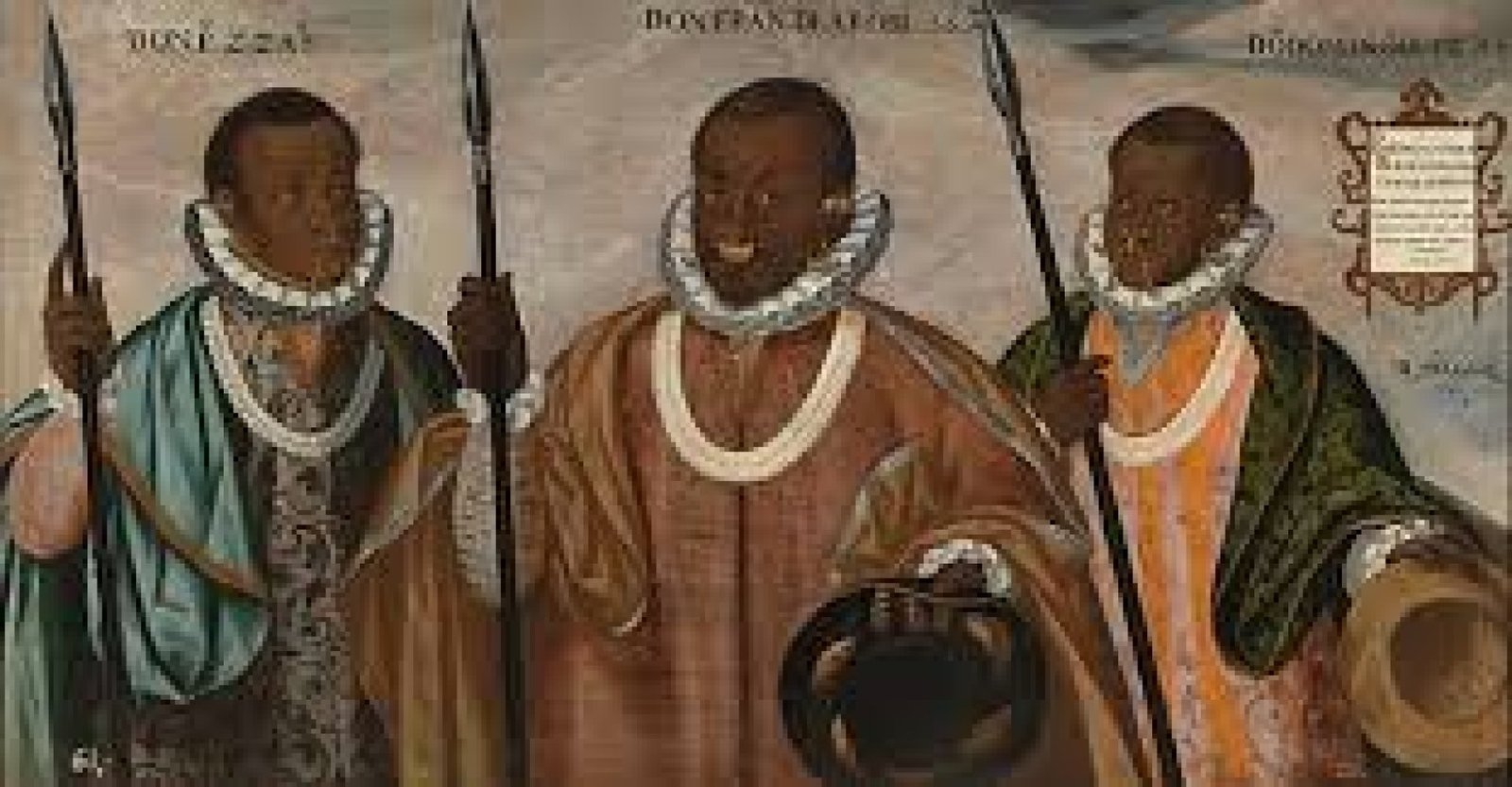
History of Afro-Ecuadorian Communities in Esmeraldas: Culture and Heritage
The Afro-Ecuadorian communities of Esmeraldas are a living testament to Ecuador’s history and African influence in the region. Their presence dates back to the colonial period, when enslaved Africans escaped plantations and settled along the country’s northern coast, forming free communities that have preserved their customs and traditions to this day.
Origins and Migration
Many Afro-Ecuadorians descend from enslaved Africans brought during the colonial era. The geography of Esmeraldas, with its rivers and forests, allowed these communities to establish themselves autonomously, developing a unique cultural identity.
Traditions and Culture
Afro-Ecuadorian culture is reflected in music, with rhythms like marimba and batuques, as well as in traditional dances performed during local festivals and celebrations. Their cuisine also reflects African heritage, featuring dishes made with fish, seafood, and local ingredients.
Historical and Social Legacy
Over the centuries, Afro-Ecuadorian communities have contributed to the cultural and social development of Esmeraldas, defending their rights, preserving their language, and passing down ancestral knowledge from generation to generation.
Visiting Esmeraldas and engaging with its Afro-Ecuadorian communities allows travelers to discover a history of resilience, identity, and rich cultural heritage that forms an essential part of Ecuador’s legacy.