
 Español

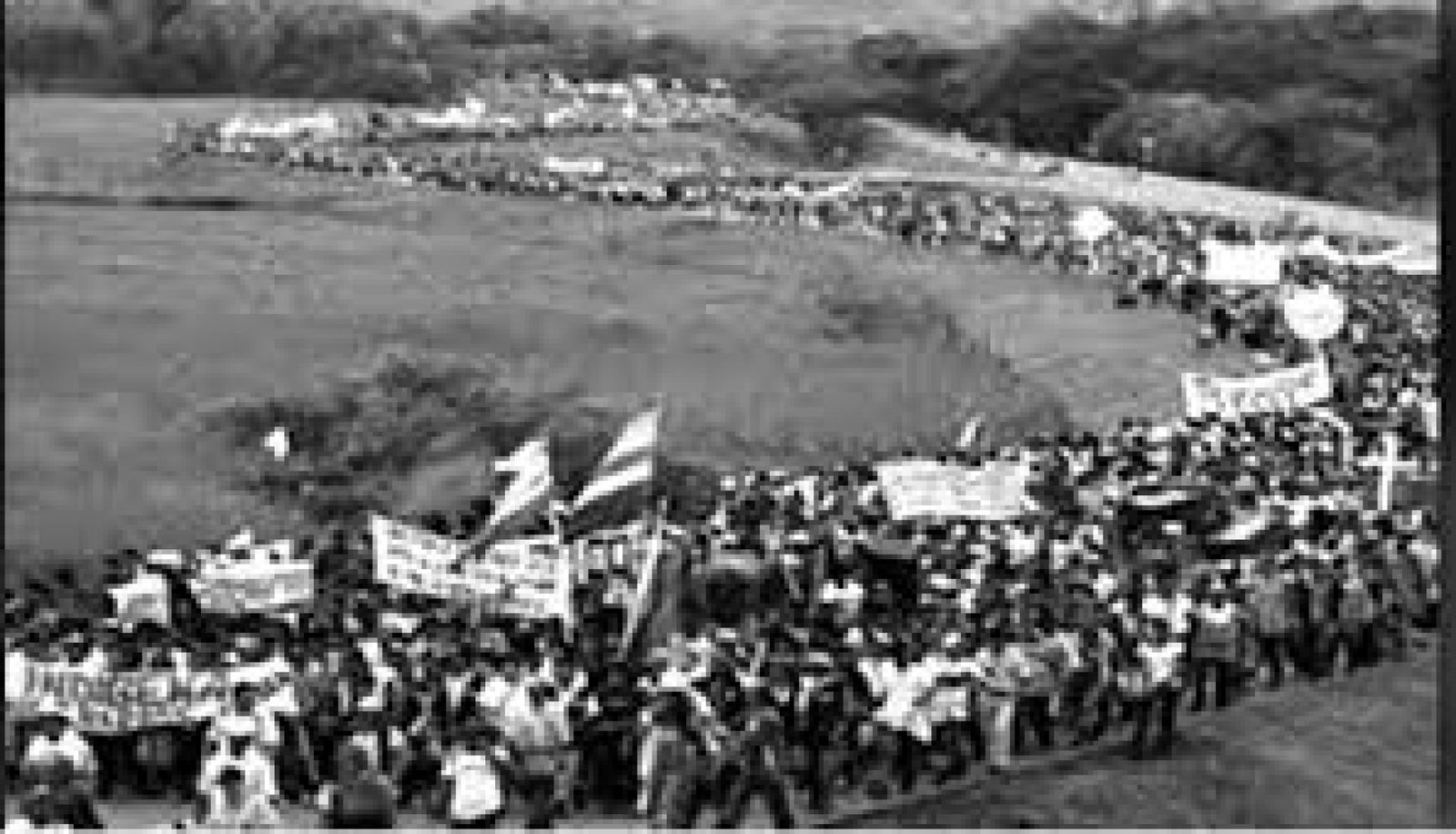
The 1990 Indigenous Uprising in Ecuador: A Cry for Dignity
In June 1990, Ecuador witnessed one of the most powerful social movements in its modern history: the first national Indigenous uprising. Led by the Confederation of Indigenous Nationalities of Ecuador (CONAIE), this movement became a landmark in the struggle for visibility, rights, and respect for Indigenous peoples.
What Did Indigenous Communities Demand?
-
Official recognition as distinct nationalities with their own identities.
-
Legalization and return of ancestral lands.
-
Respect for their worldview, language, and traditional knowledge.
-
A truly plurinational state structure.
How Did It Unfold?
Thousands of Indigenous people marched to Quito, blocked roads, occupied plazas, and brought the country to a standstill through peaceful but firm resistance.
Historical and Political Impact
-
Paved the way for major constitutional reforms, including the 2008 recognition of Ecuador as a plurinational state.
-
Empowered Indigenous identity as a political force.
-
Opened space for intercultural dialogue and inclusion.
Beyond Protest
This uprising was not only about rights—it was about dignity, identity, and reclaiming voice. Today, it remains a powerful symbol of unity and the ongoing fight for a more just Ecuador.